


UNIC-led study finds diarrhoea-causing parasite in Cyprus dairy cattle
Research highlights need for further study to assess public health significance
A collaborative study by Dr Daphne Mavrides and Dr Eleni Gentekaki, faculty members at the University of Nicosia School of Veterinary Medicine, has provided the first nationwide overview of Cryptosporidium species in dairy cattle across Cyprus.
The research, published in Current Research in Parasitology & Vector-Borne Diseases, builds on the team’s earlier work establishing the Cyprus cattle biobank (BMC Veterinary Research, 2024) and represents the first analysis derived from that resource.
The study examined 517 faecal samples from dairy cattle across 18 farms in all five districts of Cyprus. Cryptosporidium, a parasite that can cause diarrhoea in livestock and humans, was detected in nearly 40% of calves tested. The analysis revealed six previously unreported subtypes of the parasite in Cyprus, as well as the first identification of a new subtype family on the island. These findings provide important baseline data on the presence and diversity of the parasite in the country.
As Cryptosporidium can infect both animals and humans, the results also carry public health relevance. In people, infection can cause watery diarrhoea, stomach cramps, and nausea, with increased severity in young children, older adults, and those with weakened immune systems.
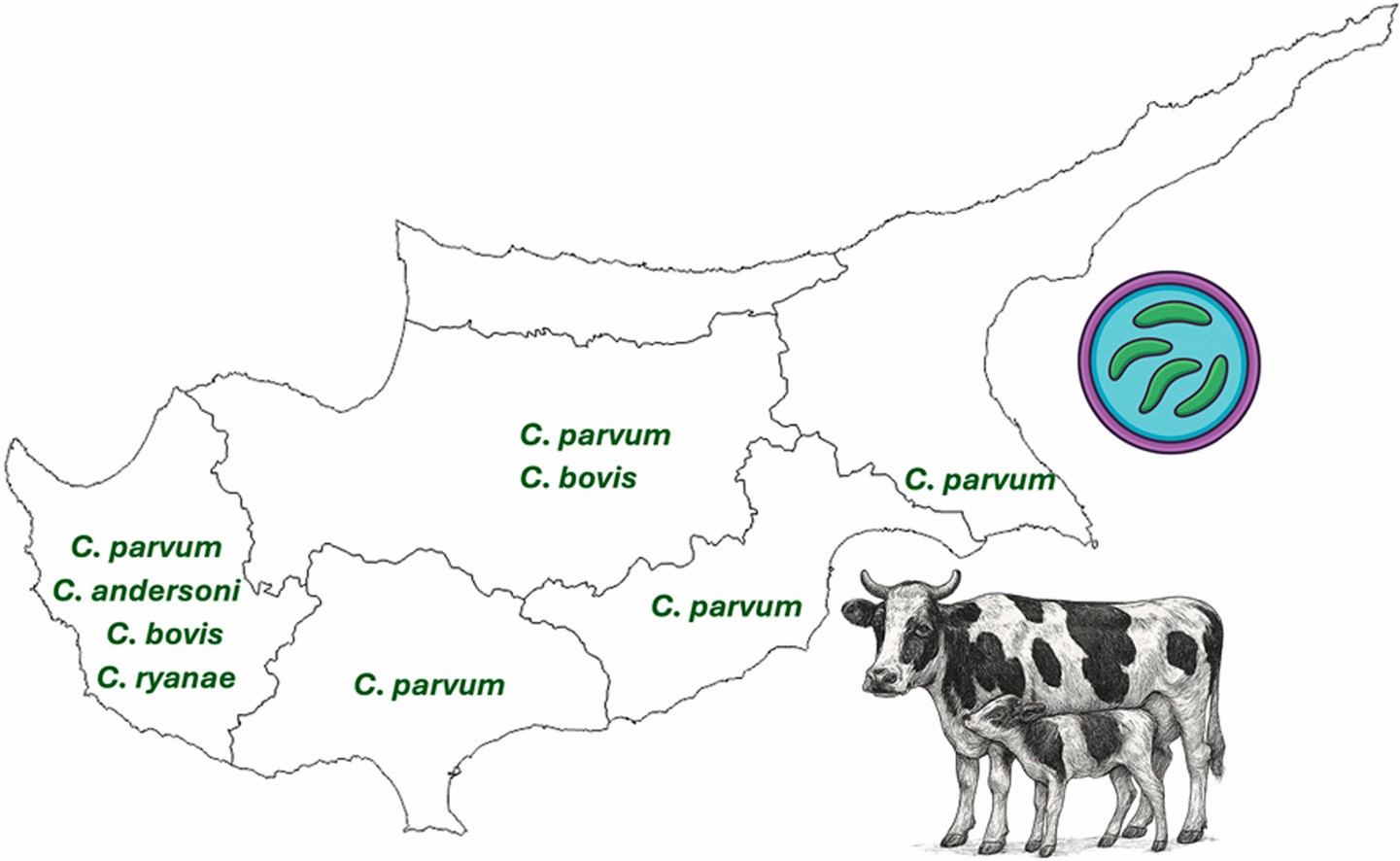
‘By revealing the genetic diversity and distribution of Cryptosporidium across dairy farms in Cyprus, our study enhances understanding of their epidemiology and transmission dynamics. This information can inform targeted husbandry practices and contribute to maintaining healthy livestock populations within a One Health framework’, said Dr Mavrides, whereas Dr Gentekaki pointed out that ‘The findings highlight the importance of systematic surveillance and demonstrate how resources such as the national cattle biobank can support long-term research in both veterinary medicine and public health’.
The study was conducted in collaboration with Dr Anastasios D. Tsaousis at the Laboratory of Molecular and Evolutionary Parasitology of the University of Kent, Dr Maria Liapi, Senior Veterinary Officer at Cyprus Veterinary Services and Professor Stavros Malas, President of the Cyprus Institute and Professor of Genetics and Development.
The researchers emphasise the importance of good husbandry practices, regular monitoring, and awareness of basic biosecurity measures to reduce the risk of transmission to humans, animals, and the environment, whilst supporting sustainable dairy production in Cyprus.