

ReCiHePe Marks Two Years of Community-Led Action for Mental Health, Inclusion and Resilient Communities
After two years of implementation, ReCiHePe – Resilient Cities, Healthy People is demonstrating how community-led action can strengthen mental health, social inclusion and wellbeing across Europe.
Funded by the European Union’s EU4Health Programme, the three-year project brings together partners in Greece, Cyprus, Romania, Ireland and Iceland to support vulnerable and underserved communities, including older adults, migrants, refugees, Roma communities, survivors of gender-based violence, women’s groups and people experiencing social isolation.
During its second year, ReCiHePe moved from planning and co-design to the implementation of locally developed Social Hubs and Social Initiatives. These community-led spaces create opportunities for participation, connection and mutual support while promoting resilience and mental wellbeing through practical, locally driven action.
To date, the project has supported the development of 14 Social Initiatives, with eleven already completed, active or currently being implemented across five countries.
Community Action Across Europe
Across all partner countries, ReCiHePe is empowering communities to identify their own priorities and co-create solutions that respond to local needs.
In Greece, activities focus on active ageing, social inclusion, digital empowerment, employment support for migrants and refugees, and the empowerment of young Roma women. Social Hubs in Athens provide opportunities for creative engagement among older women and safe, confidential peer support for survivors of gender-based violence, while initiatives in Trikala promote intercultural dialogue, employability and community participation.
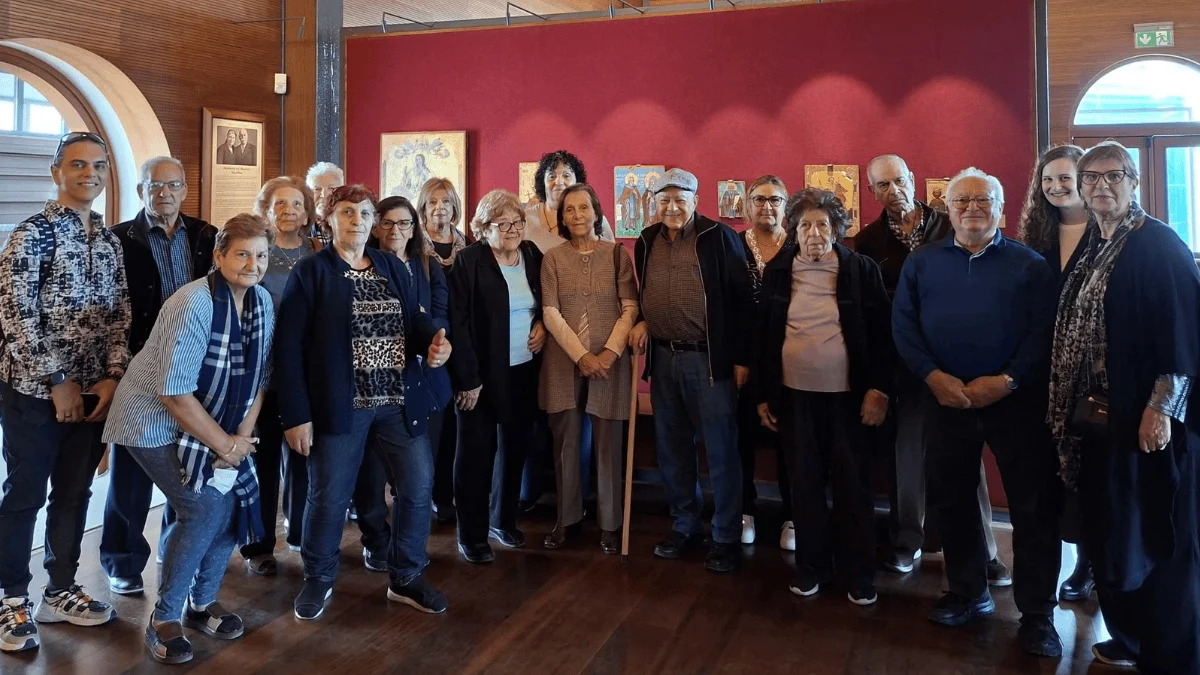
In Cyprus, older adults are taking an increasingly active role in planning and delivering activities through the Agios Dometios Social Hub. The University of Nicosia is participating as a partner, implementing the social initiatives at the Agios Dometios Social Hub. Health awareness sessions, cultural visits and community events have strengthened social connections and reduced loneliness.
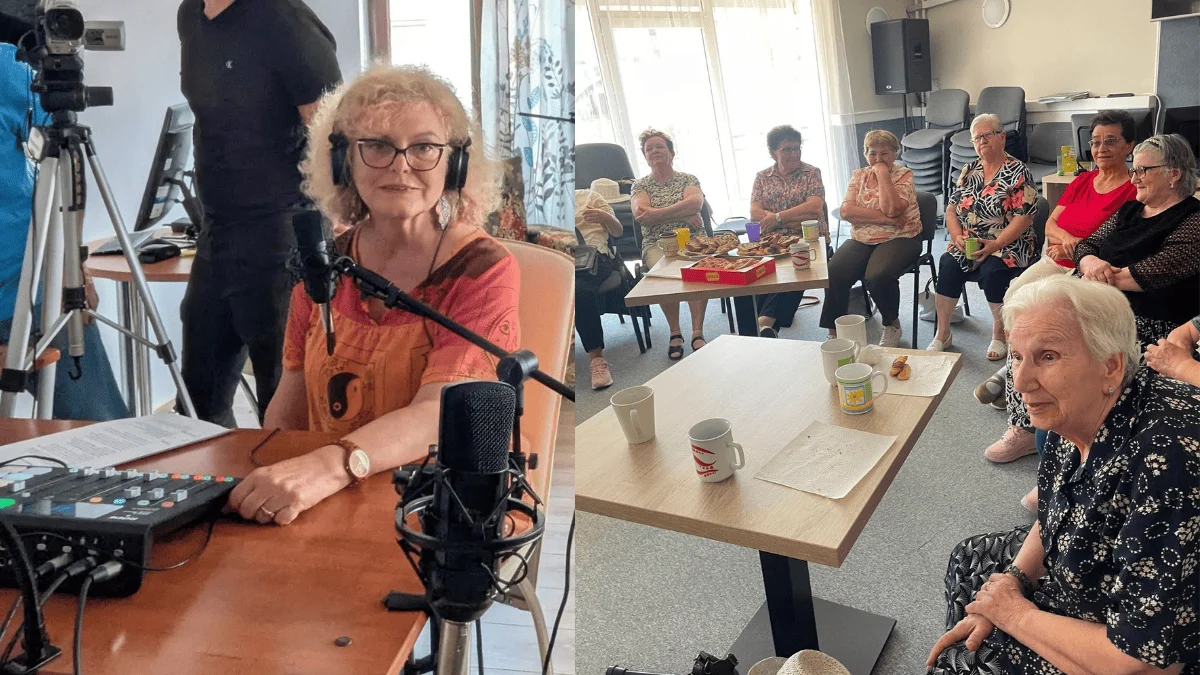
In Romania, community-led initiatives include SeniorRadio, a podcast and radio programme created by older adults, multicultural activities led by the Latin American community, and a Social Hub supporting Ukrainian refugees through informal psychosocial support and community engagement.
In Ireland, music has become a powerful tool for inclusion. An older adults’ choir has evolved into an open community hub welcoming migrants, younger people, people with disabilities and others at risk of social isolation. Dedicated activities have also supported Ukrainian refugees through creative and community-based programmes.
In Iceland, community gardening and inclusive library activities are helping migrants, refugees and local residents build meaningful relationships, strengthen social participation and foster a greater sense of belonging.
Early Results Show Positive Impact
Although the project’s final evaluation is still underway, implementation findings already indicate encouraging outcomes. Communities report stronger social connections, increased confidence, greater participation in local life and improved access to information, services and support networks.
The project has also highlighted the importance of trust-building, flexibility and genuine community ownership. Activities centred on creativity, culture, storytelling, music and shared experiences have proven especially effective in reducing barriers to participation and promoting inclusion.
Looking Ahead
As ReCiHePe enters its final year, the partnership will continue strengthening Social Hubs, expanding peer support, and collecting evidence on the effectiveness of community-led approaches to mental health promotion.
By placing communities at the centre of decision-making, ReCiHePe is demonstrating that locally driven initiatives can play a vital role in building healthier, more inclusive and more resilient societies.