Child and Adolescent Protection
(MSc, 1,5 Years) – E-Learning/Distance Learning (Online)
Joint Degree with the University of Patras
Duration
1.5 Year (3 Semesters)
Qualification Awarded
Master of Science in Child and Adolescent Protection
Level of Qualification
Master Degree (2nd Cycle)
Language of Instruction
Greek
Mode of Study
E-Learning/Distance Learning (Online)
Minimum ECTs Credits
90
Apply Today
Child and Adolescent Protection (MSc, 1,5 Years) – Joint Degree with the University of Patras – E-Learning/Distance Learning (Online)
| Duration | 3 Semesters |
| Qualification Awarded | Master of Science in Child and Adolescent Protection |
| Level of Qualification | Master Degree (2nd Cycle) |
| Language of Instruction | Greek |
| Mode of Study | E-Learning/Distance Learning (Online) |
| Minimum ECTS Credits | 90 |
Apply Today
Profile of the Programme
The MSc in Child and Adolescent Protection gives a 360-degree perspective on child and adolescent protection matters, introducing students to the viewpoints of academics, practitioners, organisations, children and young people, integrated with contemporary research theory and policy. It elaborates on the impact that technology has on protecting children and provides the environment to consider the effect of the globalisation of the abuse and exploitation of vulnerable children. In particular, students will have the opportunity, through sharing experiences, acquiring new knowledge and being exposed into innovative methods of work, to analyse complex concepts and case studies and create synergies to safeguard children and adolescents’ best interest.
Career Prospects
Most of the students entering the Programme are practitioners or have prior professional experience related to the content of this degree. Those who are already working can benefit from advancing their professional skills and apply some of the gained theoretical knowledge into practice.
However, for those who do not work in the field of social work, this degree will provide a) Shared learning experience with students who are multi-agency child protection practitioners working in health, education, social care, law enforcement, humanitarian crisis and community-based organisations, and b) the possibility of pursuing a doctoral degree in social work, social policy, public administration, law or any other related area.
Additionally, graduates will have the opportunity to enter a large network of opportunities as to find a job due to the contacts that both universities maintain with the local (Social Welfare Services, Local Authorities, Agencies through practicum placements) and international market (EASSW, IASSW, Erasmus+).
Access to Further Studies
Graduates of the programme can be accepted into Third Cycle degrees (Doctoral Degree)
The minimum general requirement for admission to the post-graduate degree programme is a Bachelor Degree from a recognised university in social work, social administration, social policy, law and / or related sciences. (i.e. sociology, cultural anthropology, political science, education)
In addition to the above, applicants must also satisfy the following requirements:
- Good knowledge of Greek and English.
- Certified copy of degree in a related discipline (see general admission requirements).
- Curriculum vitae which documents the applicant’s studies, any professional, volunteer, teaching, research experience in the industry, as well as scientific and social activities.
- Two letters of recommendation, preferably from academics.
Course assessment usually comprises of a comprehensive final exam and continuous assessment. Continuous assessment can include amongst others, weekly interactive activities, projects, positive online forum participation etc.
Letter grades are calculated bsed on the weight of the final exam and the continuous assessment and the actual numerical marks obtained in these two assessment components. Based on the course grades the student’s semester grade point average (GPA) and cumulative point average (CPA) are calculated.
The student must complete 90 CTS and all programme requirements.
A minimum cumulative grade point average (CPA) of 2.0 is required. Thus, although a ‘D-‘ is a PASS grade, in order to achieve a CPA of 2.0 an average grade of ‘C’ is required.
Upon successful completion of this program, the students should be able to:
- Thoroughly comprehend the concepts, theories and processes of child protection which support the design and implementation of interventions in various social groups.
- Develop and formulate procedures related to quality and equity in providing services to users including them in decision making process.
- Recognize the ontological background of social theories, research and practice in the field of child protection.
- Demonstrate practical skills related to the design, implementation and evaluation of interventions to individuals, groups, communities and social organizations.
- Demonstrate research skills as to be able to conduct a needs assessment study in a family being at risk.
- Design and implement community programs aimed at promoting and developing child protection measures within families and communities.
- Demonstrate the need for sharing knowledge and hearing the latest research in the field.
- Recognize, understand, and respect the complexity of sociocultural and ethnic diversity.
- Demonstrate ability to work together with many disciplines
Section: A – Υποχρεωτικά Μαθήματα
Min. ECTS Credits: 60 Max. ECTS Credits: 60
Notes: Το μάθημα CHAP-500 επιλέγεται από φοιτητές/τριες που δεν έχουν επαγγελματική ή/και πρακτική εμπειρία στην ειδικότητα της Παιδικής και Εφηβικής Προστασίας.
| Course ID | Course Title | ECTS Credits |
|---|---|---|
| CHAP-500 | Θεμέλια της Παιδικής Προστασίας (Θεωρία και Δεξιότητες) | 0 |
| CHAP-510 | Διαδικασία Λήψης Αποφάσεων στην Παιδική Προστασία | 10 |
| CHAP-520 | Εξαρτήσεις σε Παιδιά και Εφήβους – Διαγνωστικές και θεραπευτικές προσεγγίσεις | 10 |
| CHAP-530 | Μεθοδολογία Έρευνας | 10 |
| CHAP-540 | Ψυχική Ανθεκτικότητα στην Παιδική και Εφηβική Ηλικία | 10 |
| CHAP-550 | Θεραπεία Τραύματος στην Παιδική και Εφηβική ηλικία και Νέες Τεχνολογίες Συμβουλευτικής | 10 |
| CHAP-560 | Δίκαιο και Παιδική Προστασία | 10 |
Section: B – Μαθήματα Επιλογής
Min. ECTS Credits: 30 Max. ECTS Credits: 30
Notes: Το μάθημα CHAP-545 επιλέγεται από φοιτητές/τριες που συμπληρώνουν το μάθημα CHAP-500 ή από φοιτητές/τριες που δεν έχουν πρακτική εμπειρία.
| Course ID | Course Title | ECTS Credits |
|---|---|---|
| CHAP-545 | Πρακτική Άσκηση | 10 |
| CHAP-570 | Ηγεσία και Διεπιστημονική συνεργασία σε Οργανώσεις Παιδικής Προστασίας | 10 |
| CHAP-580 | Προκλήσεις και Καινοτομίες στο χώρο της Παιδικής και Εφηβικής Προστασίας | 10 |
| CHAP-590 | Διαπολιτισμική Επικοινωνία | 10 |
| CHAP-596 | Μεταπτυχιακή Διατριβή | 20 |
Section: C Unallocated Courses
Min. ECTS Credits: 0 Max. ECTS Credits: 0
Semester 1
| Course ID | Course Title | ECTS Credits |
|---|---|---|
| CHAP-510 | Διαδικασία Λήψης Αποφάσεων στην Παιδική Προστασία | 10 |
| CHAP-520 | Εξαρτήσεις σε Παιδιά και Εφήβους – Διαγνωστικές και θεραπευτικές προσεγγίσεις | 10 |
| CHAP-530 | Μεθοδολογία Έρευνας | 10 |
Semester 2
| Course ID | Course Title | ECTS Credits |
|---|---|---|
| CHAP-540 | Ψυχική Ανθεκτικότητα στην Παιδική και Εφηβική Ηλικία | 10 |
| CHAP-550 | Θεραπεία Τραύματος στην Παιδική και Εφηβική ηλικία και Νέες Τεχνολογίες Συμβουλευτικής | 10 |
| CHAP-560 | Δίκαιο και Παιδική Προστασία | 10 |
Semester 3

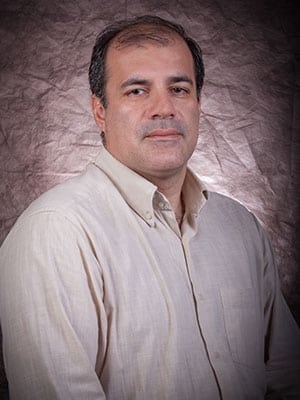
Dr Despina Cochliou
Assistant Professor
School of Humanities and Social Sciences
Department of Social Sciences
Programme Coordinator (BSc Social Work)

Dr. Vaiani Polyzoidou
Associate Professor
School of Law
Department of Law