Lab Overview
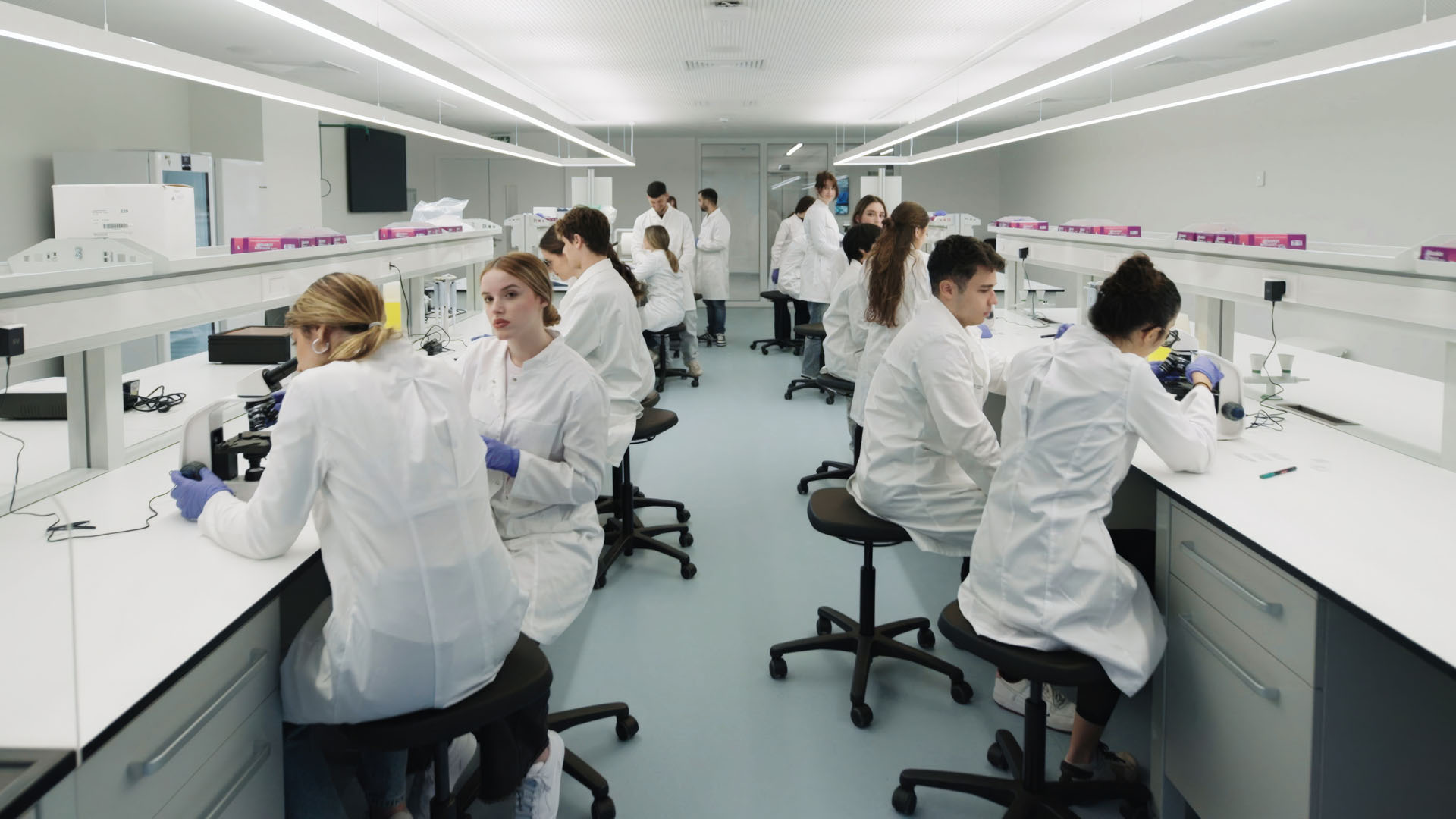
The Biology & Microbiology Laboratory is a state-of-the-art life sciences platform designed to bridge the gap between theoretical biological concepts and experimental clinical application. Supporting education across microbiology, cell biology, and immunology, this facility equips students with the technical competence needed to understand the living systems that drive infection, immunity, and cellular function. By mastering essential workflows—including microbial culture, staining, microscopy, and molecular assays—students gain a practical understanding of disease pathogenesis, antimicrobial action, and therapeutic response.
Educational & Clinical Impact
This lab serves as a primary training ground for pharmacy and medical students, ensuring they develop the rigor required for modern healthcare. Beyond technical skill, the training emphasizes biosafety, aseptic technique, and scientific discipline. Students learn to navigate the biological complexity of modern medicine, from infection control and vaccine science to the intricacies of molecular diagnostics. This training is essential for preparing future practitioners to adapt to a landscape where immunotherapies, biologics, and antimicrobial resistance are reshaping clinical practice.
Core Infrastructure & Capabilities
The facility is equipped with industry-standard infrastructure to support high-level experimental learning, including:
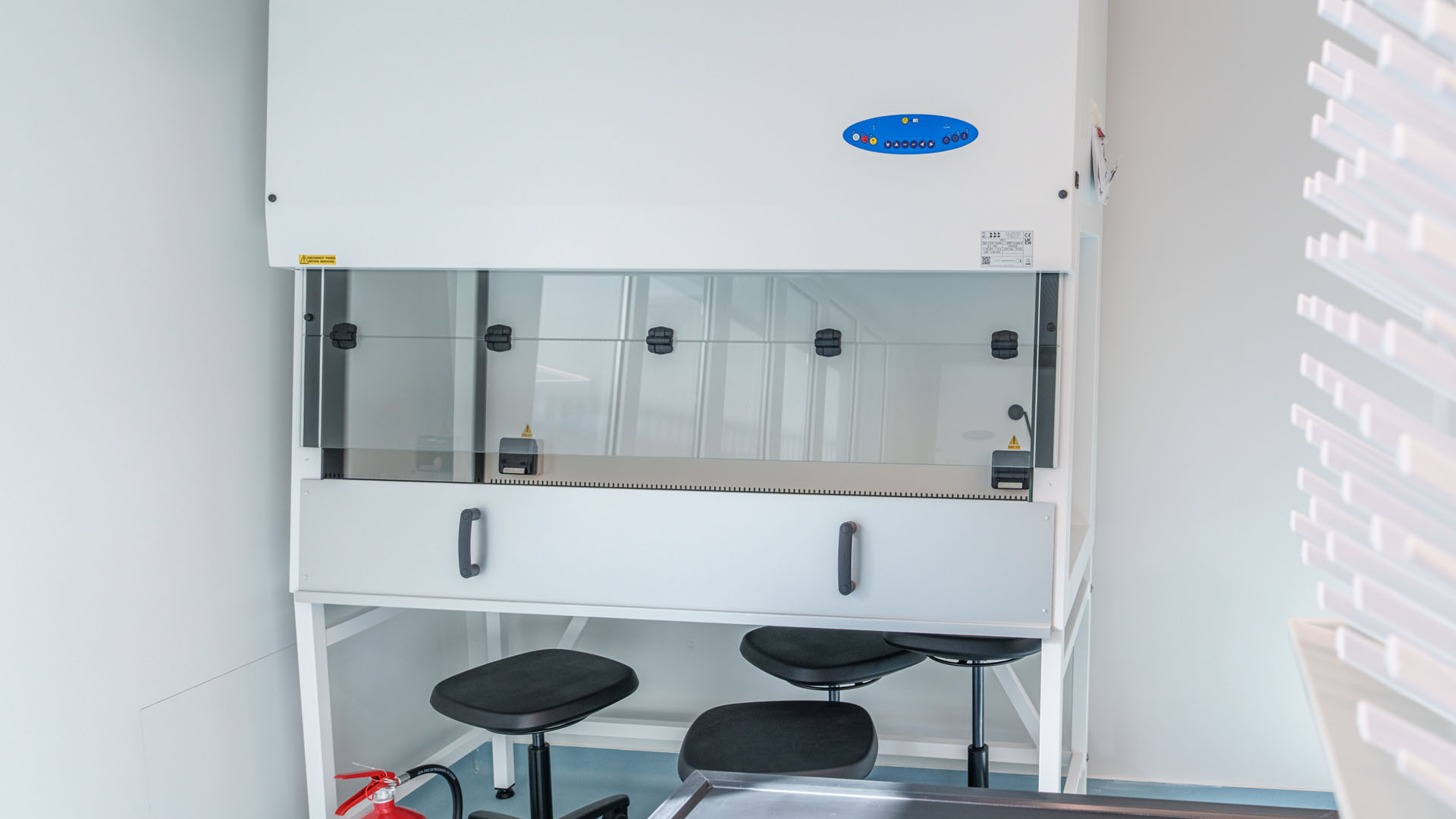
- Biosafety Cabinets: Ensuring rigorous aseptic practice and safe handling of biological materials.
- Incubation Systems: Facilitating microbial culture and growth-based experimental protocols.
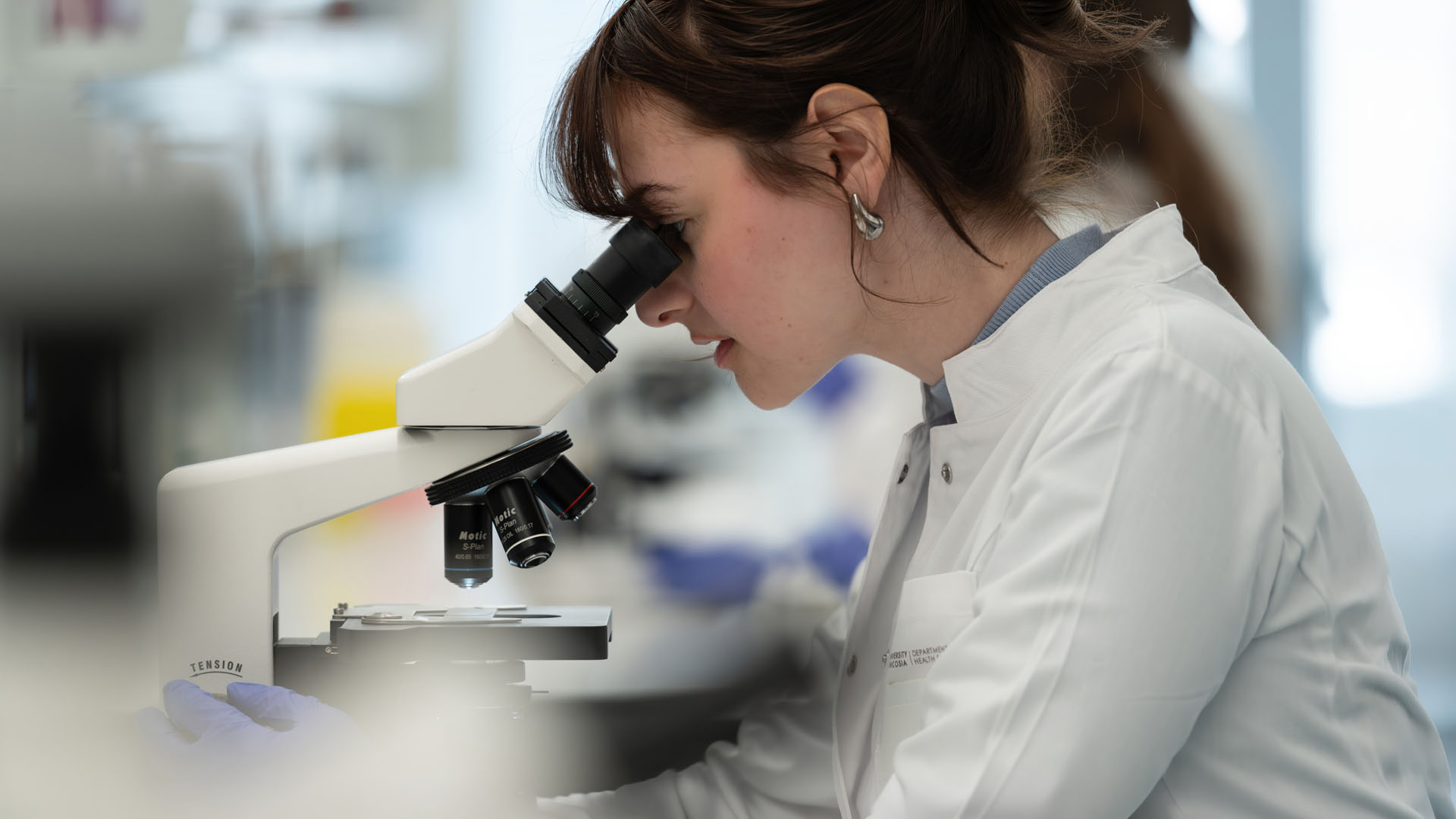
- Advanced Microscopy: Enabling precise observation of cellular morphology, staining outcomes, and microorganisms.
Partnerships & Innovation
The lab is aligned with public health priorities, including antimicrobial stewardship and translational biomedical training. We welcome interdisciplinary academic partnerships, educational innovation, and pilot projects in microbiology and immunology. For industry partners and start-ups, the facility offers a structured, biosafety-regulated environment for scientific engagement, training collaborations, and scientific engagement.
Gallery