

UNIC Athens
Living Safely in Athens
Emergency numbers, hospitals, pharmacies and everyday safety for students and families at UNIC Athens.
South Athens is considered one of the safer parts of the capital, with a relaxed coastal atmosphere and well-served neighbourhoods. Like any large urban area, it still makes sense to follow basic safety practices. Keep your phone charged, know the key emergency numbers, stay aware of your surroundings in crowded spaces, and plan your journeys, especially late at night, so you can enjoy the area’s beaches, parks and cafés with confidence.
Emergency Numbers
Keep these saved in your phone. Operators on 112 speak Greek, English and French, and calls are free from any phone. Use 112 when you are unsure which service you need, or call the dedicated lines.
Hospitals
Three hospitals serve the area around the campus. For anything serious, call 166 or 112 and follow the dispatcher’s instructions.
| Asklepieio Voulas | Voula | The main public hospital for the southern suburbs |
| Mediterraneo Hospital | Glyfada | A private hospital |
| Metropolitan Hospital | Neo Faliro | A private hospital of the Hellenic Healthcare Group, UNIC’s healthcare partner |
On Campus
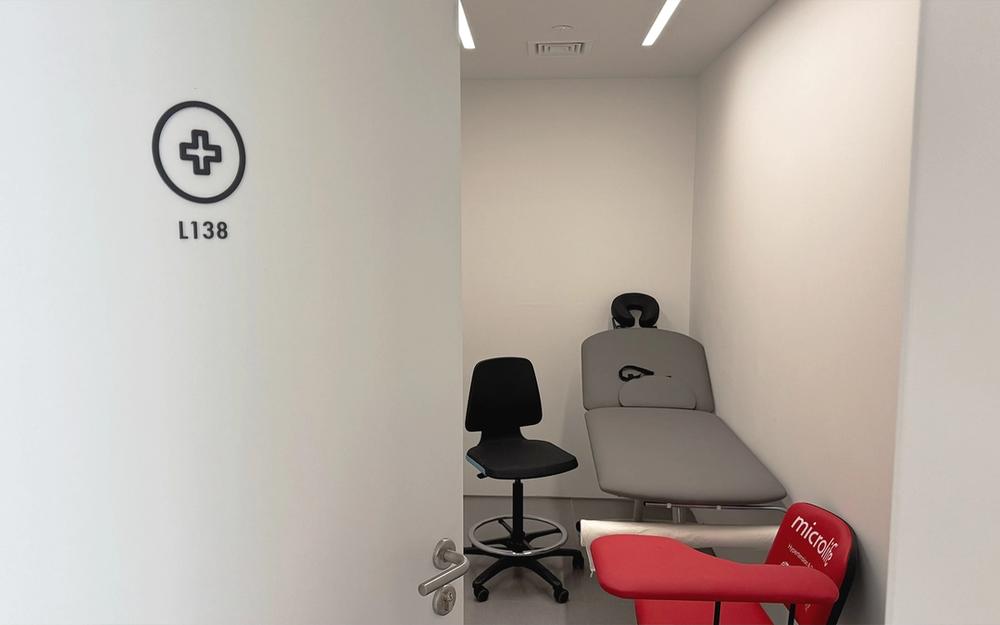
First Aid Room
The First Aid RoomA dedicated room for immediate first aid and temporary care for anyone who feels unwell or has a minor injury, on the Labs Floor of the Main Building (room L138).
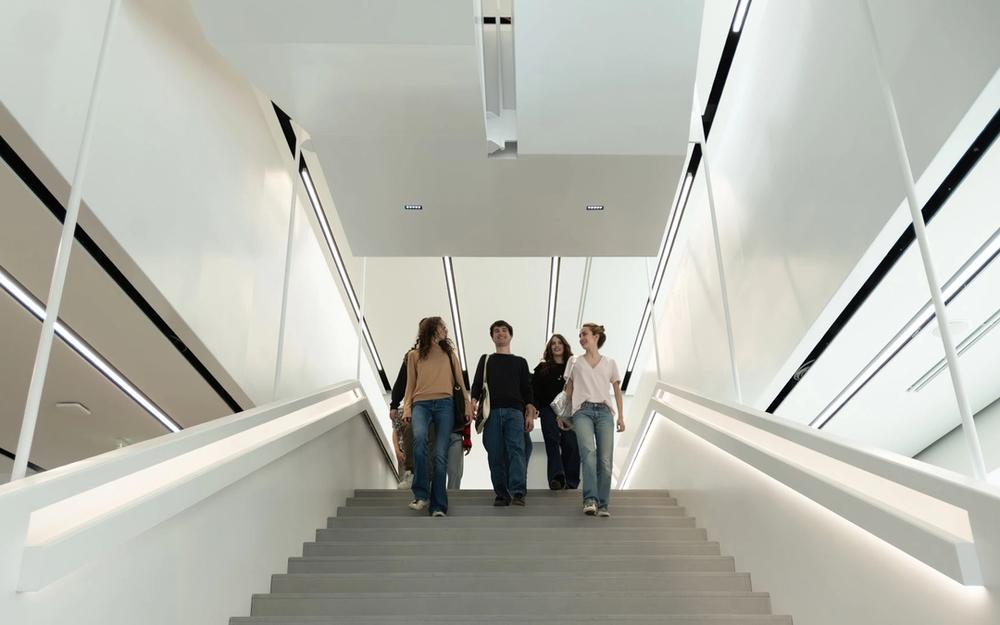
Health and Safety on Campus
How UNIC Athens manages safetyThe Environment, Health and Safety Office, first aid stations and automated external defibrillators (AEDs) at key points of the campus.
Pharmacies
After hours, a rotating list of on-duty pharmacies serves each area: check the Pharmaceutical Association of Attica’s duty list or a live directory before you go.
Five pharmacies are within about 500 metres of the Main Building, all on the map of the area around the campus.
Mental Health
Mental health support is available at any time. Use 112 if there is immediate danger.
| National psychosocial support line, free, 24 hours | |
| Suicide prevention hotline, around the clock | |
| European helpline for children |
Students can also talk to the University’s own counselling service.
Everyday Safety
- Day to day. Stay alert on crowded transport and in busy areas, keep valuables zipped and close, and plan your route home before a late night. For help with a non-emergency incident, as a visitor or a parent, the tourist police on 1571 can advise in English.
- Insurance. EU students should carry a valid European Health Insurance Card for medically necessary public care during a temporary stay in Greece. Non-EU students should keep their private health insurance details to hand for private providers.
- Summer. Weather and Seasonal Safety Athens can experience periods of extreme heat during the summer, as well as severe rainfall, thunderstorms and other adverse weather conditions at different times of the year. During hot weather, stay hydrated, seek shade and avoid prolonged exposure to the sun during the hottest part of the day. When swimming, choose areas where other people are present, follow flags and lifeguard instructions, and never enter the water after consuming alcohol. During severe weather, limit unnecessary travel, avoid flooded roads and low-lying or underground areas, and never attempt to cross moving floodwater on foot or by car. Pay attention to official warnings and follow any instructions issued through 112 or by the competent authorities.