

University of Nicosia scholar contributes to European Marine Board report on monitoring marine carbon removal
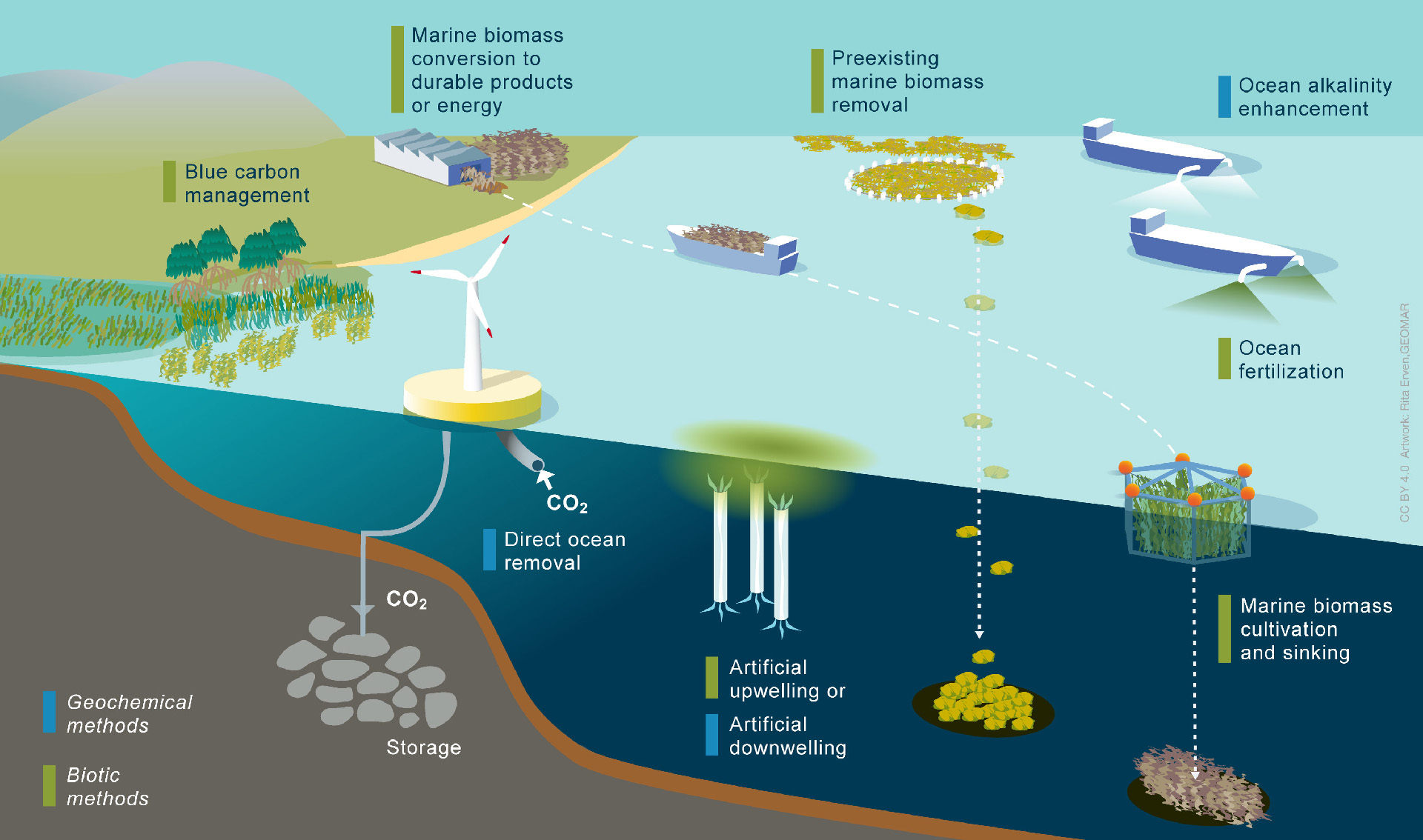
The European Marine Board has published its Future Science Brief No. 13, Monitoring, Reporting and Verification for marine Carbon Dioxide Removal, launched on November 17, 2025. The Brief sets out why robust monitoring, reporting and verification, MRV, is essential for credible accounting of net atmospheric CO2 removal, assessment of durability, and evaluation of environmental impacts in the Ocean. It outlines a research and policy agenda to enable transparent, science‑based MRV for any future marine carbon dioxide removal, mCDR, activities.
The Brief highlights that rapid emissions reduction remains the top priority, and that mCDR can only serve as a supplementary measure. It finds that no mCDR method currently has sufficiently robust and comprehensive MRV to support credible large‑scale deployment, and it calls for investment in ocean observing and modeling, as well as clear governance frameworks. The work also underscores the difficulty of quantifying additional carbon uptake and non‑carbon impacts in a changing ocean, given slow air‑sea gas exchange and baseline challenges.
Dr Elias Yfantis, Associate Professor and Programme Coordinator of the Mechanical Engineering programme in the Department of Engineering at the University of Nicosia, served as a member of the international working group that co-authored the Brief. In this role, Dr Yfantis contributed his engineering perspective to the group’s work on building trustworthy MRV systems for responsible development of mCDR, especially focusing on LCA and reliable quantification aspects. His participation reflects the University’s commitment to research that advances practical climate solutions across marine and energy systems.
The working group’s outputs contribute to the UN Decade of Ocean Science for Sustainable Development objective to unlock ocean‑based climate solutions, and they provide actionable guidance for policymakers, funders, scientists, and project planners preparing for potential field trials and future scaling. The University of Nicosia encourages stakeholders and media to consult the Brief for the full set of findings and recommendations (access full report here).