


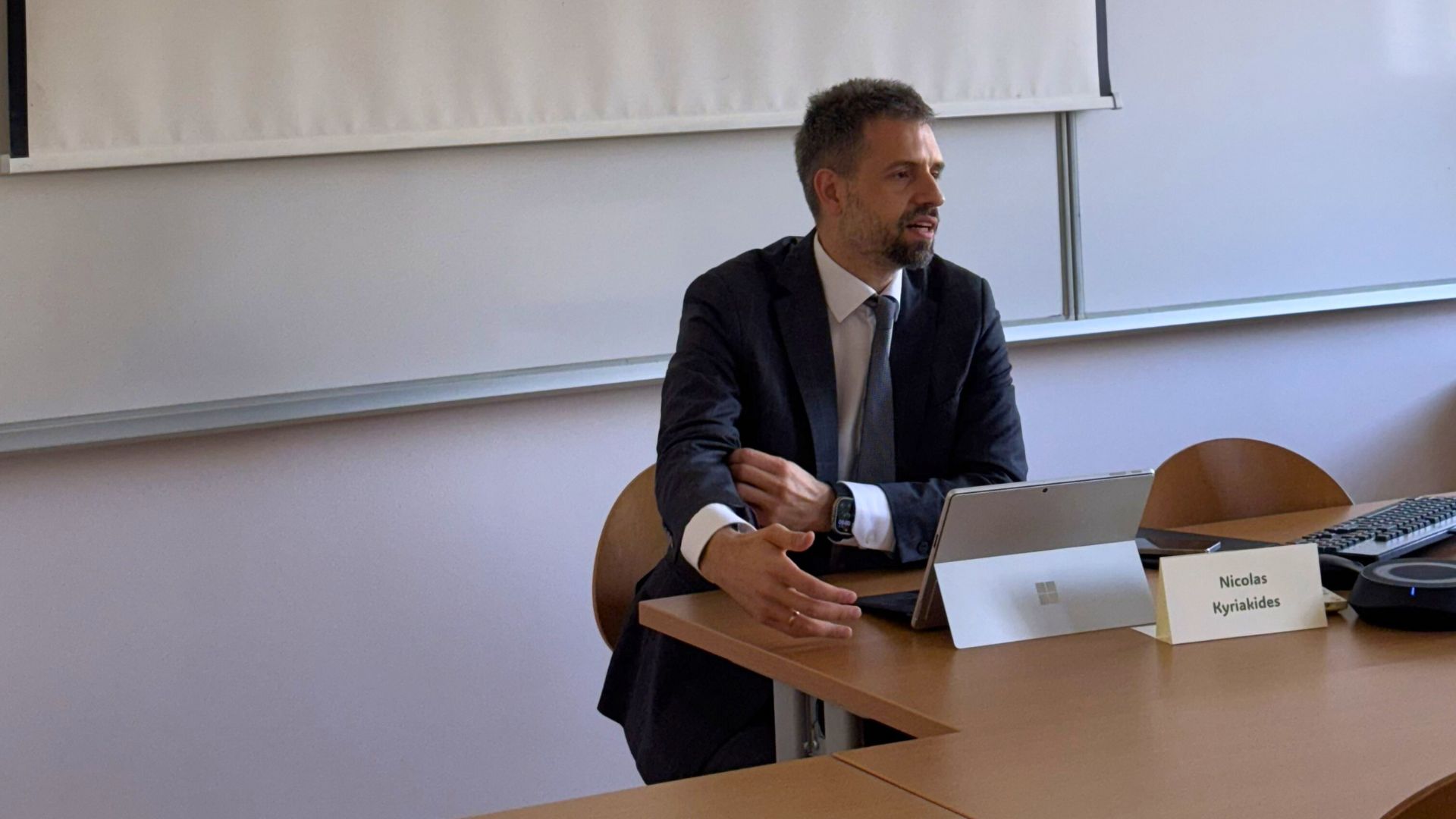
The Procedural Law Unit participated in the annual colloquium of the International Association of Procedural Law (IAPL) at the University of Zagreb
The Director of the Procedural Law Unit at the University of Nicosia, Dr. Nicolas Kyriakides, presented a paper on “Judicial Independence Under Pressure: Balancing Accountability, Efficiency, and Procedural Fairness” at the annual colloquium of the International Association of Procedural Law (IAPL) hosted by the University of Zagreb, Croatia between 11-13 of September 2025.
The methodology focused on empirical and comparative analysis, with the selected countries of the Netherlands, Canada and South Korea used as case studies to draw on the beneficial practices as a guiding point to ensure the balance of judicial independence. In addition, Dr. Kyriakides had obtained several interviews from legal scholars from each country to draw from their experience in the legal practice.
The main theme of the colloquium centred on judicial efficiency, one of the most pressing issues for justice systems globally. While justice is expected to be fair and impartial, modern societies also demand that it is delivered quickly and at an affordable cost. The experience of the pandemic, the rapid rise of digital technologies and AI, and the increasing use of collective judicial proceedings have highlighted the urgent need to rethink traditional approaches to judicial efficiency.
Leading experts from Europe, South and North America, and Asia had gathered to explore how judicial efficiency is defined, measured, and implemented in different jurisdictions. Sessions covered new procedural principles, technological innovations, and comparative practices aimed at optimizing time and costs in judicial processes. Discussions focused primarily on harmonisation trends and the lessons that can be drawn from advanced legal systems to improve access to justice worldwide.
In addition to expert panels, the colloquium featured a dedicated panel on judicial reforms in South and East Europe, of which Dr. Kyriakides was a part of. Participants had the opportunity to engage in lively discussions, exchange experiences, and contribute to shaping the future of judicial efficiency in both national and international contexts.