
GreenToC Learning, Teaching and Training Activity Held in Malta
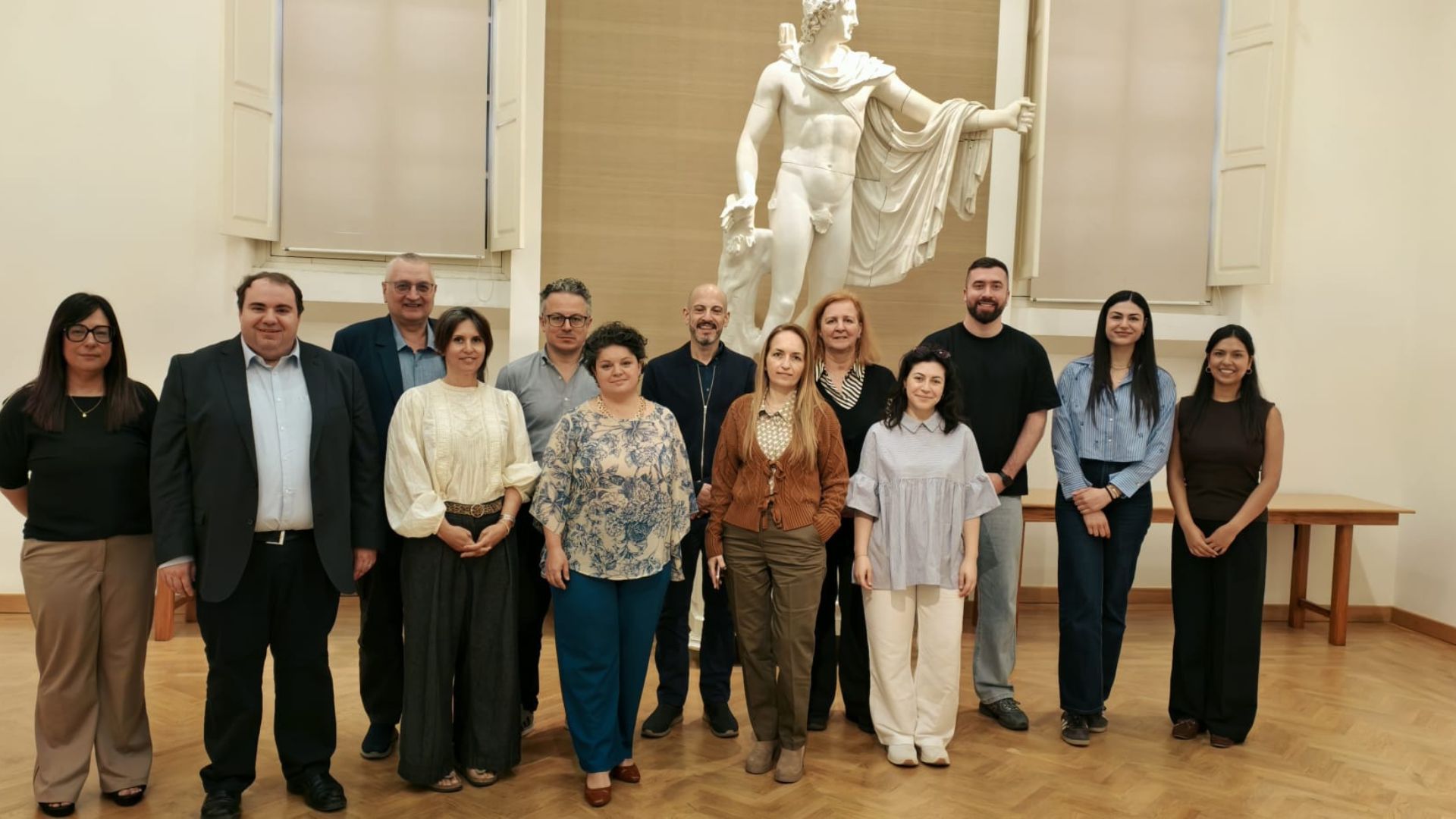
The Gnosis Mediterranean Institute for Management Science of the University of Nicosia participated in the GreenToC Learning, Teaching and Training Activity (LTTA) held in Malta (13-15 May 2026), bringing together project partners from across Europe to advance collaboration on sustainability, digital innovation, and higher education transformation.
The activity formed part of the Erasmus+ funded project (Project ID: 2024-1-RO01-KA220-HED-000252839) ‘GreenToC: Synergies between HEI and the labour market for developing sustainability capabilities for green transformation strategies using the ToC and AI’.
Hosted by the University of Malta, the three-day meeting provided an opportunity for consortium members to exchange expertise, review project progress, and coordinate upcoming activities related to curriculum development, academic training, and stakeholder engagement.
Discussions focused on integrating green transformation strategies into Higher Education curricula through the use of Theory of Change (ToC), Artificial Intelligence (AI), and digital tools. Partners also explored innovative educational approaches aimed at strengthening sustainability competences and improving the alignment between academic programmes and labour market needs.
The University of Nicosia contributes to the project through its expertise in education and training, digital innovation, research, and curriculum development. The Institute is actively involved in supporting the design of innovative learning methodologies and the integration of AI-enabled educational practices within higher education environments.
The LTTA in Malta also marked an important step towards the project’s pilot implementation phase. The University of Nicosia is expected to launch its pilot activities in October 2026, contributing to the testing and validation of the project’s educational framework and learning materials.Over the coming months, the GreenToC consortium will continue working on the:
- development and refinement of curriculum content on green transformation strategies;
- creation of digital and AI-supported educational resources;
- preparation and implementation of pilot activities across partner institutions;
- stakeholder engagement activities involving academia and industry;
- collection of feedback to support the sustainability and practical relevance of project outcomes.
Through these actions, the project aims to strengthen the role of Higher Education Institutions in supporting the green and digital transition, while equipping learners and educators with future-oriented sustainability competences.