Computer Science
(PhD, 3 Years)
Duration
3 years
Qualification Awarded
Computer Science (PhD, 3 years)
Level of Qualification
Doctorate Degree (3rd Cycle)
Language of Instruction
English
Mode of Study
Full-time or Part-time
Minimum ECTs Credits
180
Apply Today
Computer Science (PhD, 3 Years)
| Duration | 3 years |
| Qualification Awarded | Computer Science (PhD, 3 years) |
| Level of Qualification | Doctorate Degree (3rd Cycle) |
| Language of Instruction | English |
| Mode of Study | Full-time and Part-time |
| Minimum ECTS Credits | 180 |
Apply Today
Profile of the Programme
The PhD in Computer Science is a research-intensive programme designed to develop and promote cutting-edge scientific research of national and international relevance. The programme aims to address contemporary scientific and technological challenges by generating original research contributions and providing robust solutions to open research problems arising from technological innovation.
The programme enables doctoral candidates to acquire advanced theoretical knowledge and high-level technical skills in a specialized subfield of Computer Science. Through sustained engagement in original research, students develop the capacity to advance the state of the art in their chosen discipline and contribute meaningfully to the international scientific community.
Graduates of the programme are trained to conceptualize, design, implement, and lead substantial research projects that result in the generation of new knowledge and deeper scientific understanding. Emphasis is placed on research autonomy, critical thinking, ethical research conduct, and scholarly communication, preparing graduates to operate at the forefront of academic research or within advanced industrial and research laboratories.
As a doctoral programme with a minimum duration of three years, the PhD in Computer Science cultivates a strong research culture and prepares graduates for academic, research and innovation-driven careers. Graduates are well equipped to assume roles in universities, research institutions, and high-technology sectors, contributing significantly to scientific advancement, knowledge creation, and technological progress.
Career Prospects
Graduates of the PhD in Computer Science are qualified to pursue advanced academic, research, and innovation-driven careers in both the public and private sectors. Indicative occupational profiles include, but are not limited to, the following:
- Academic Researcher / University Faculty Member
Employment in universities and higher education institutions as postdoctoral researchers, lecturers, or faculty members, engaging in teaching, supervision of students and original scientific research. - Research Scientist
Employment in national or international research centers, laboratories, or institutes, contributing to the design and execution of advanced research projects in areas such as artificial intelligence, data science, networks, cybersecurity and emerging computing technologies. - Industrial Researcher / R&D Specialist
Employment in industrial research and development departments, technology-driven enterprises, or innovation hubs, leading or contributing to applied research, product development and technological innovation. - Principal Investigator / Project Leader
Leadership of funded research projects in academia, research organizations, or industry, including proposal writing, project management and dissemination of research outcomes. - Scientific Consultant / Expert
Provision of specialized scientific and technical expertise to governmental bodies, private organizations, or international institutions on complex technological or research-related challenges.
Access to Further Studies
Upon graduation, students would have obtained the highest academic title possible.
Admission Criteria
The minimum requirement for admission to the doctoral degree programme is a Master’s Degree and a Thesis Proposal.
The PhD programme is available to holders of Master’s degrees in Computer Science. Candidates with a computer science related Master’s Degree and a strong Computer Science Bachelor’s Degree will also be considered.
In addition to the above, applicants must also satisfy the following requirements:
Write and submit along with their application:
- Initial research proposal: An initial proposal (approximately 6,000 – 8,000 words) outlining the research topic, aims and objectives, research questions and proposed research methodology;
- Statement of purpose: applicants are required to submit a comprehensive outline highlighting their academic and individual competencies and state why they believe they are suitable for admission to the programme, as well as their reflections regarding the expectations and value of the programme for their personal advancement and career development.
English Language Proficiency
Students satisfy the English requirements if their first degree was taught in English. Otherwise, they would need to present a minimum TOEFL score of 550 paper-based or 213 computer-based, GCSE “O” Level with minimum “C” or IELTS with a score of 6.5.
Αssessment comprises of the examination of the thesis proposal, the thesis, the presentation of the thesis as a public lecture and the oral examination (viva).
The student must complete 180 ECTS and all programme requirements.
Upon successful completion of this program, the students should be able to:
- Have deep understanding of the field and will exhibit advanced skills and methods of research associated with the field;
- Be able to conceive, design, implement and adapt a substantial process of research;
- Have made a contribution through original research that extends the frontier of knowledge by developing a substantial body of work, some of which merits national or international refereed publication;
- Be capable of critical analysis, evaluation and synthesis of new and complex ideas;
- Communicate clearly and analytically using techniques derived from scientific practice in group meetings, presentations, lectures, written reports, and research papers;
- Be able to promote, within academic and professional contexts, technological, social or cultural advancement in a knowledge based society;
- Participate in research endeavors consistently by conducting their own research;
- Present independently research papers at International scientific conferences;
- Be able to publish research papers in peer reviewed journals and conference proceedings as well as develop new knowledge;
- Be able to work in universities, institutes of higher education and research centres and organisations;
- Acquire an advanced hands-on research experience and laboratory skills and/or knowledge of research methods and statistics in order to provide a platform for a line of inquiry related to their research area of expertise.
Section: A – Courses
Semester 1:
| Course ID | Course Title | ECTS Credits | Lecturer |
|---|---|---|---|
| COMP-801 | Research Seminars and Methodology | 10 | Constandinos Mavromoustakis – Professor |
| COMP-802 | Doctoral Proposal | 20 | Main supervisor and co-supervisors |
Semester 2:
| Course ID | Course Title | ECTS Credits | Lecturer |
|---|---|---|---|
| COMP-803 | Doctoral Course | 30 | Main supervisor and co-supervisors |
Semester 3:
| Course ID | Course Title | ECTS Credits | Lecturer |
|---|---|---|---|
| COMP-804 | Doctoral Course | 30 | Main supervisor and co-supervisors |
Semester 4:
| Course ID | Course Title | ECTS Credits | Lecturer |
|---|---|---|---|
| COMP-805 | Doctoral Course | 30 | Main supervisor and co-supervisors |
Semester 5:
| Course ID | Course Title | ECTS Credits | Lecturer |
|---|---|---|---|
| COMP-806 | Doctoral Course | 30 | Main supervisor and co-supervisors |
Semester 6:
| Course ID | Course Title | ECTS Credits | Lecturer |
|---|---|---|---|
| COMP-807 | Doctoral Course | 30 | Main supervisor and co-supervisors |
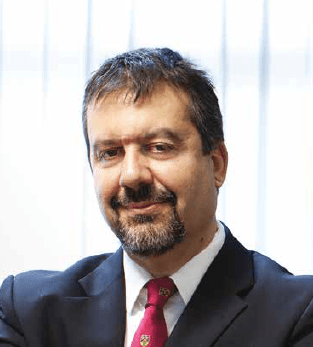
Professor Philippos Pouyioutas
Rector
Professor
School of Sciences and Engineering
Department of Computer Science
Member of the Council, Member of the Senate
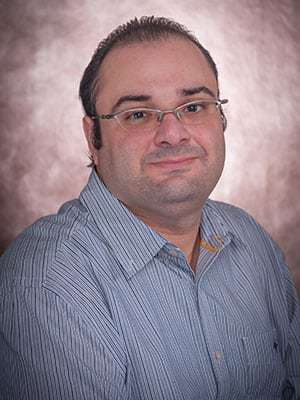
Professor Nectarios Papanicolaou
Professor
School of Sciences and Engineering
Department of Computer Science
Member of the Council


Professor Ioanna Dionysiou
Professor
School of Sciences and Engineering
Department of Computer Science
Member of the Senate

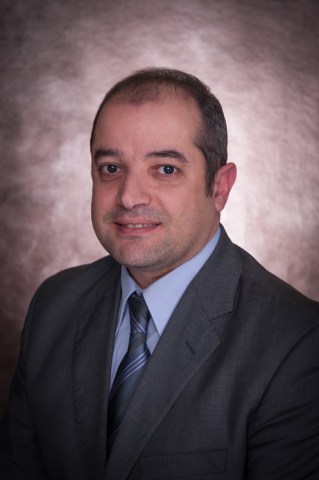

Professor Athena Stassopoulou
Head of Department
Professor
School of Sciences and Engineering
Department of Computer Science
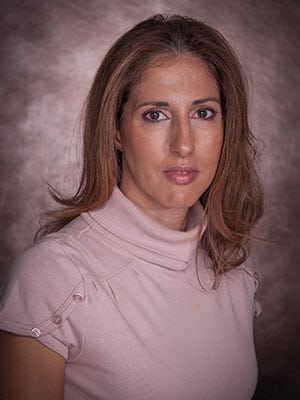
Dr Vasso Stylianou
Associate Head of Department
Associate Professor
School of Sciences and Engineering
Department of Computer Science
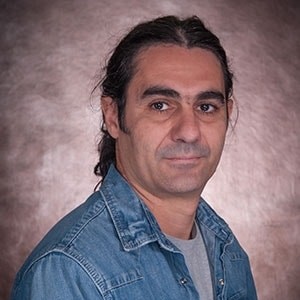
Dr George Portides
Assistant Professor
School of Sciences and Engineering
Department of Computer Science

Dr George Chailos
Associate Professor
School of Sciences and Engineering
Department of Computer Science

Dr Dmitry Apraksin
Director of IT (University Level)
IT Department
Assistant Professor
School of Sciences and Engineering
Department of Computer Science
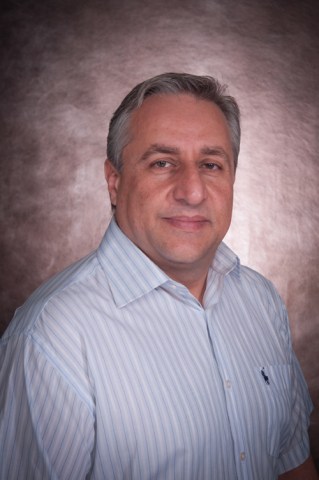
Dr Charalambos Christou
Associate Professor
School of Sciences and Engineering
Department of Computer Science
Member of the Senate
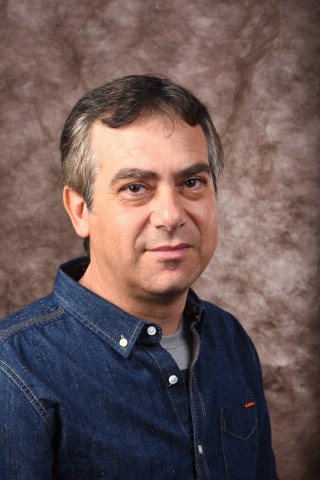
Dr Andreas Savva
Associate Professor
School of Sciences and Engineering
Department of Computer Science

George Mastorakis
Adjunct Faculty
Dr Jordi Mongay Batalla
Adjunct Faculty