
“There is no law of biology that says we have to age”: David Sinclair launches the Evolve Lecture Series at UNIC Athens
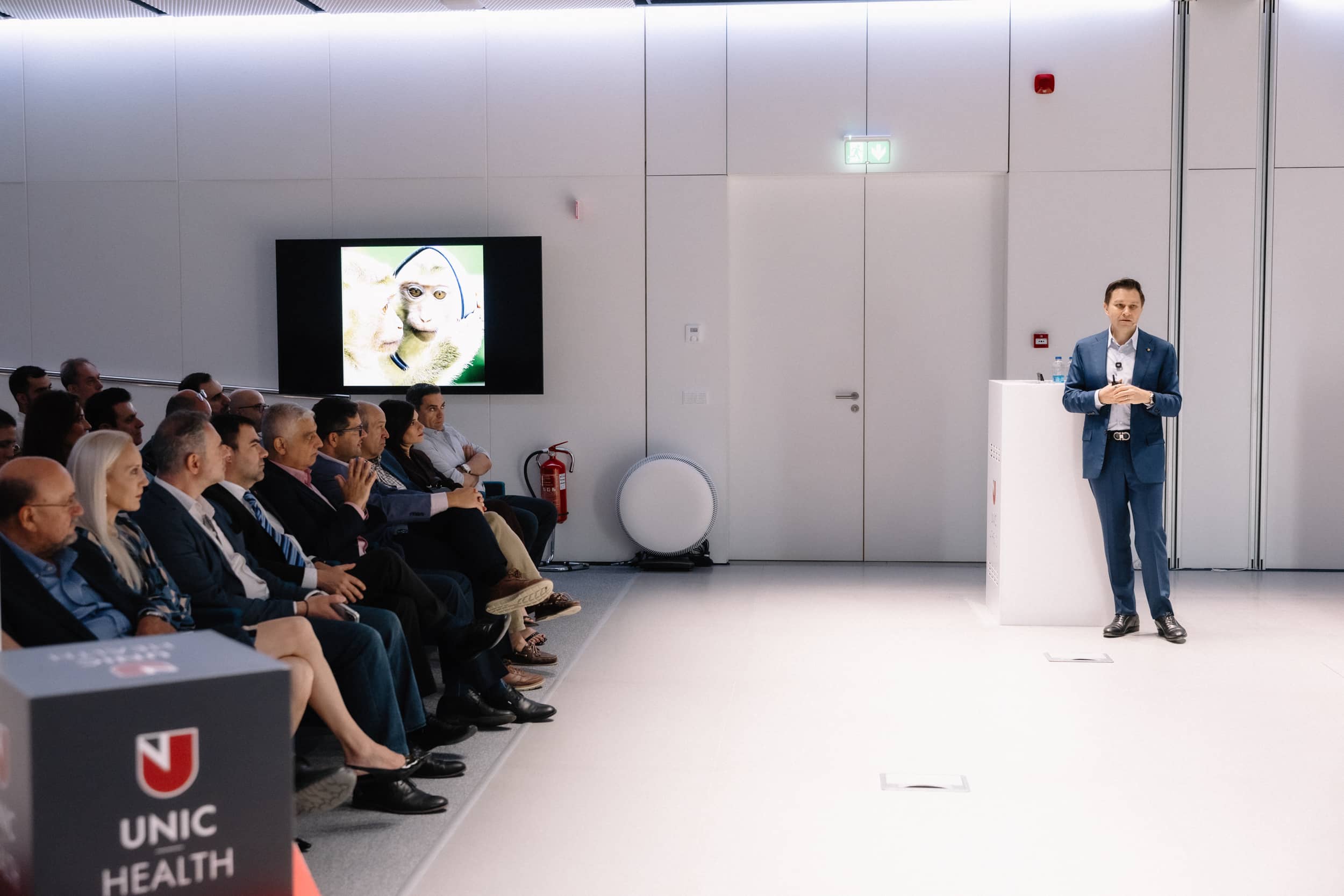
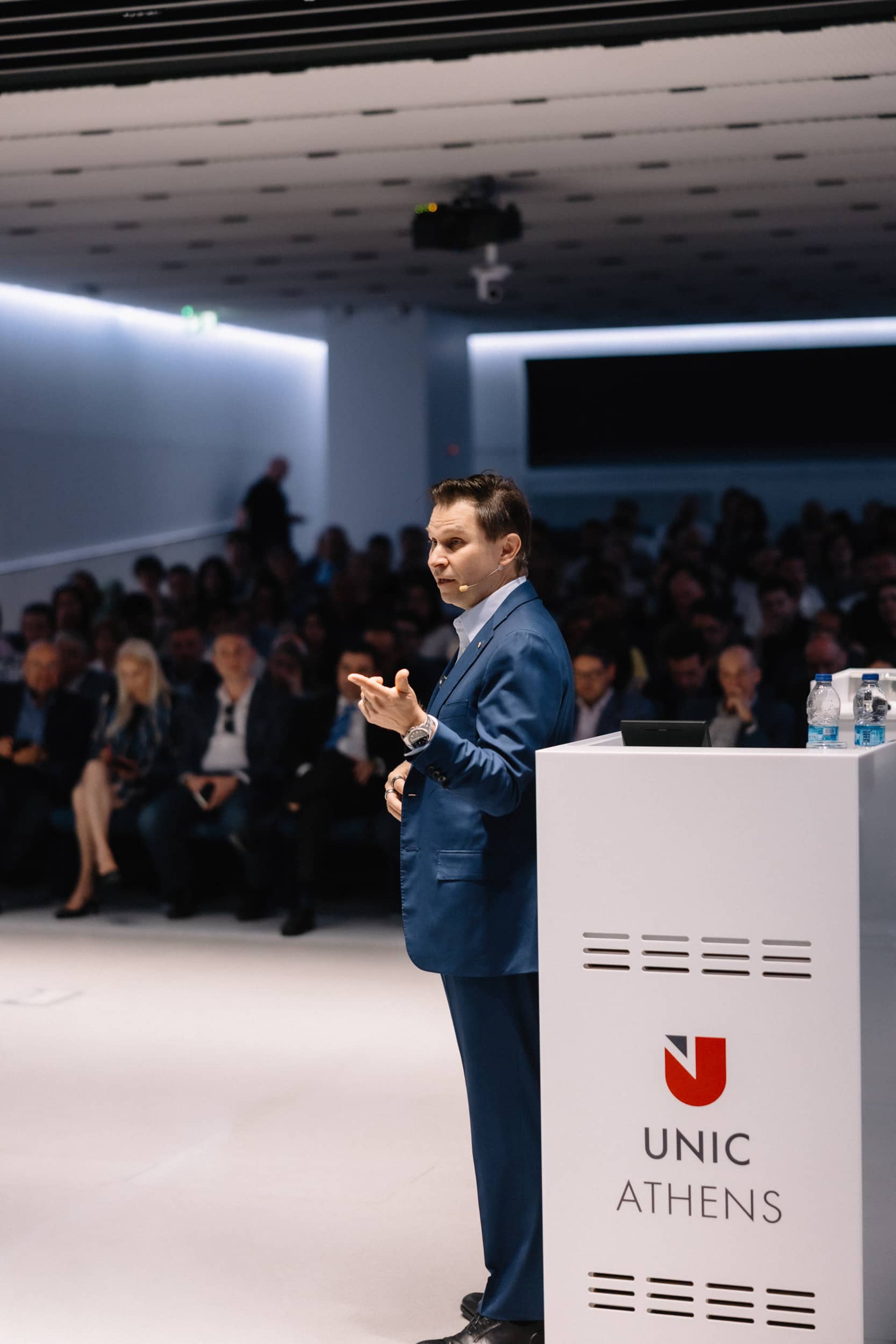
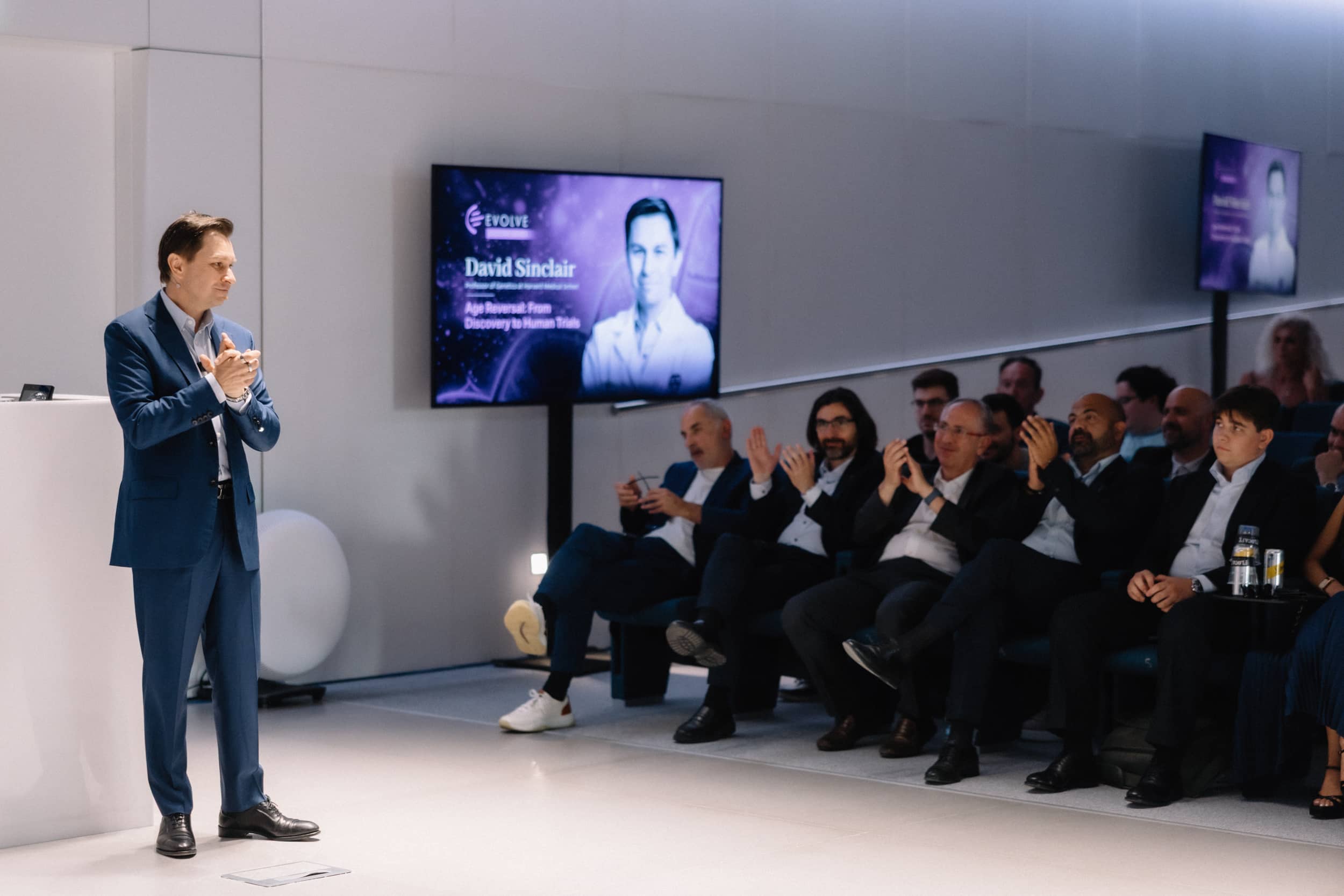
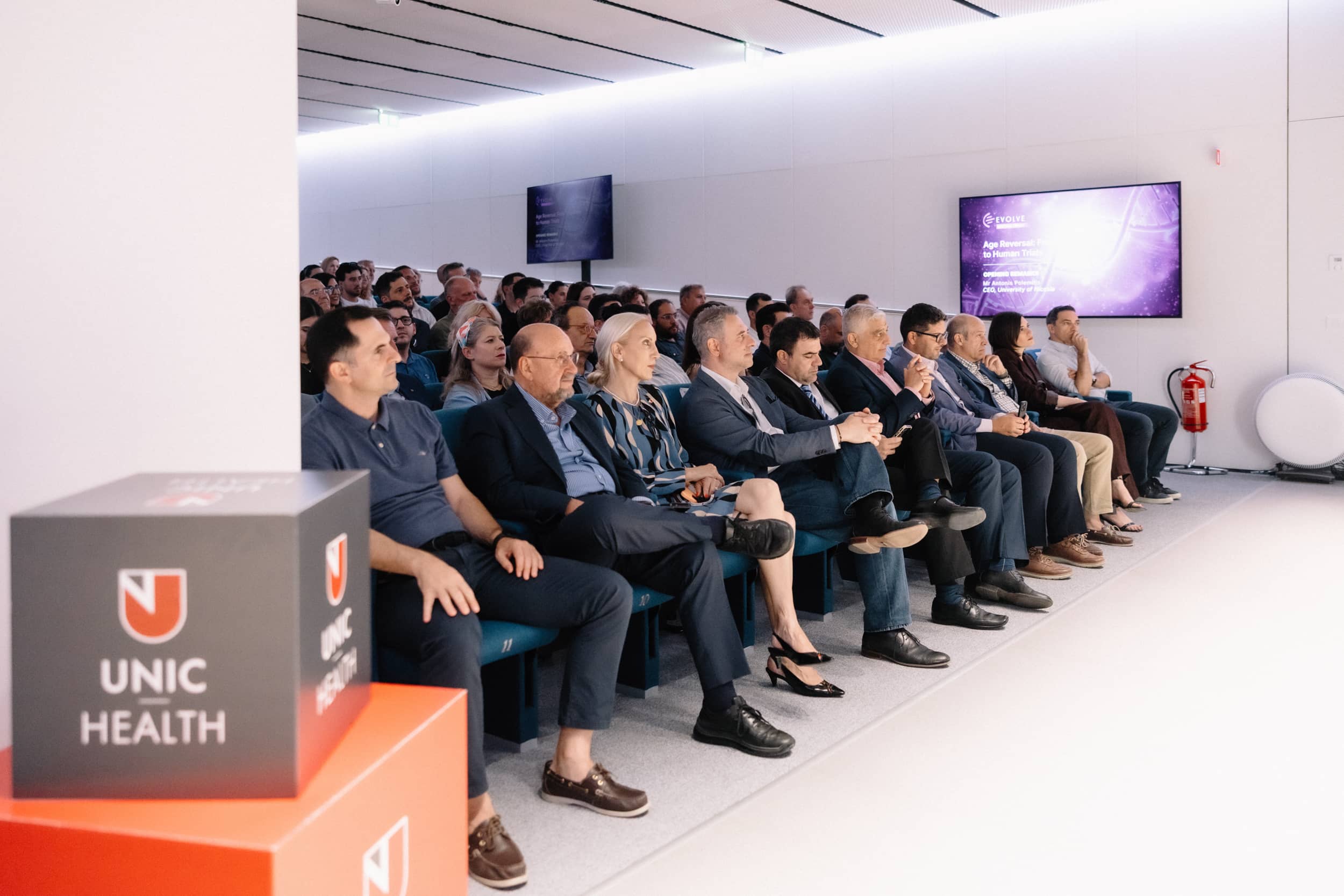
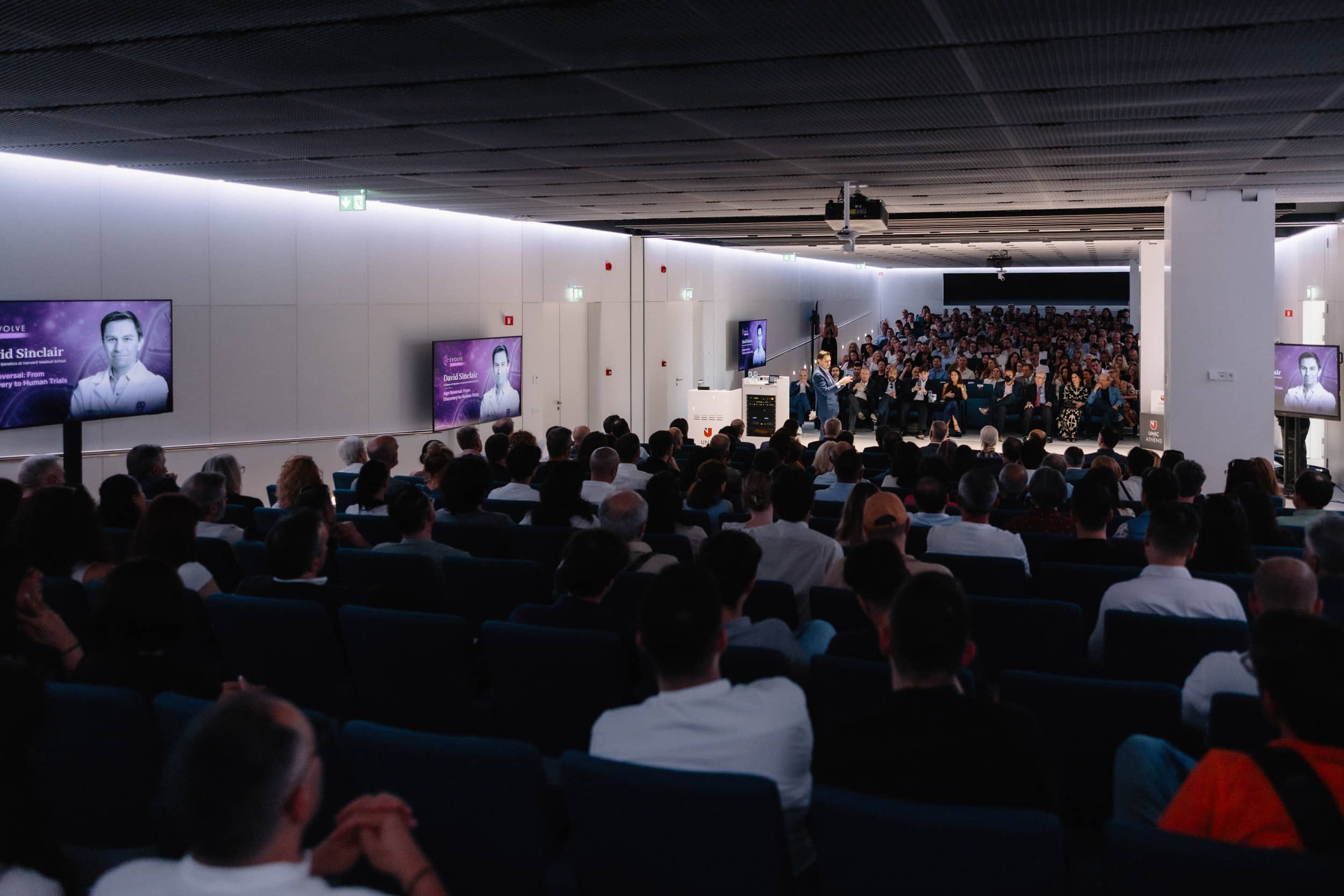
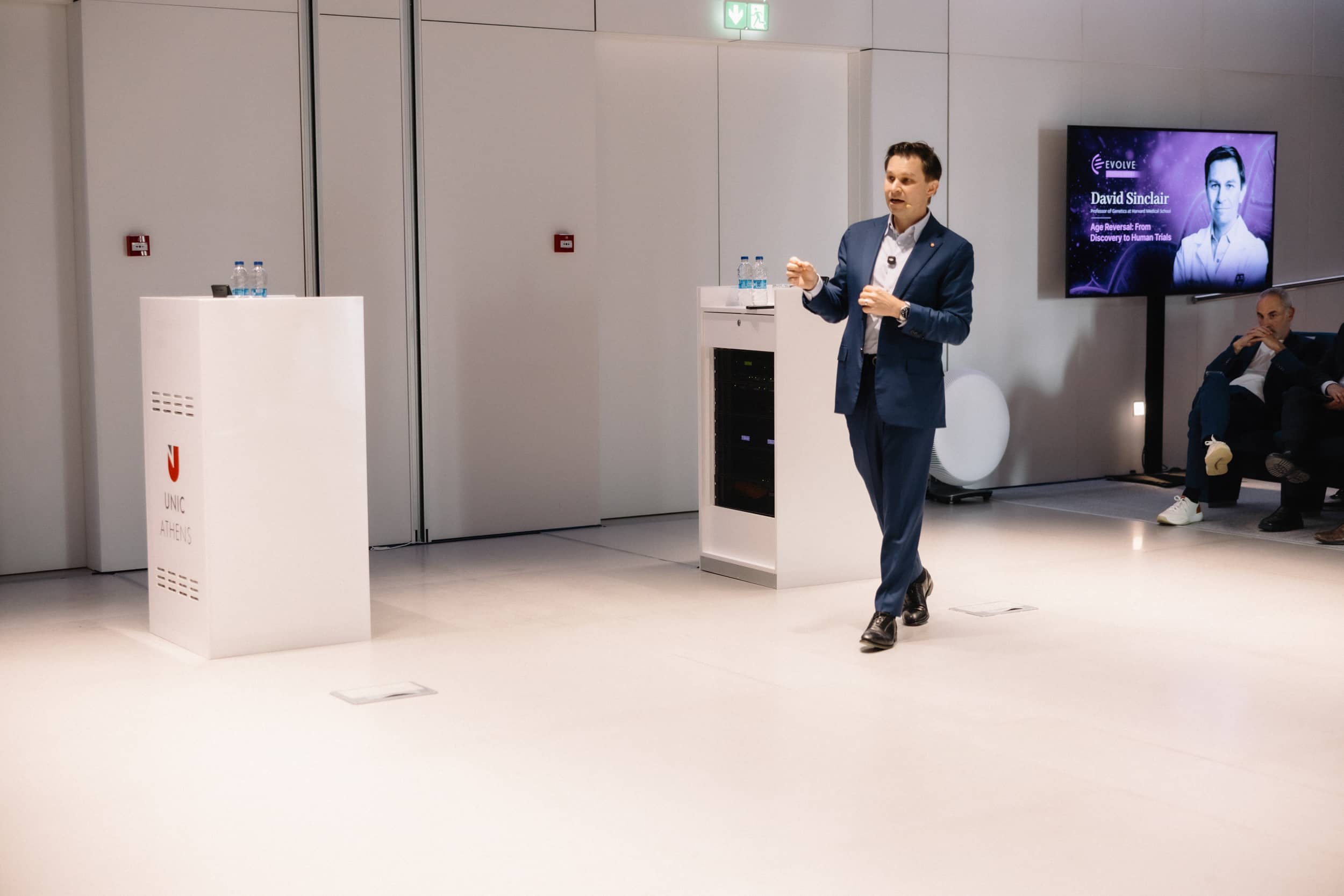
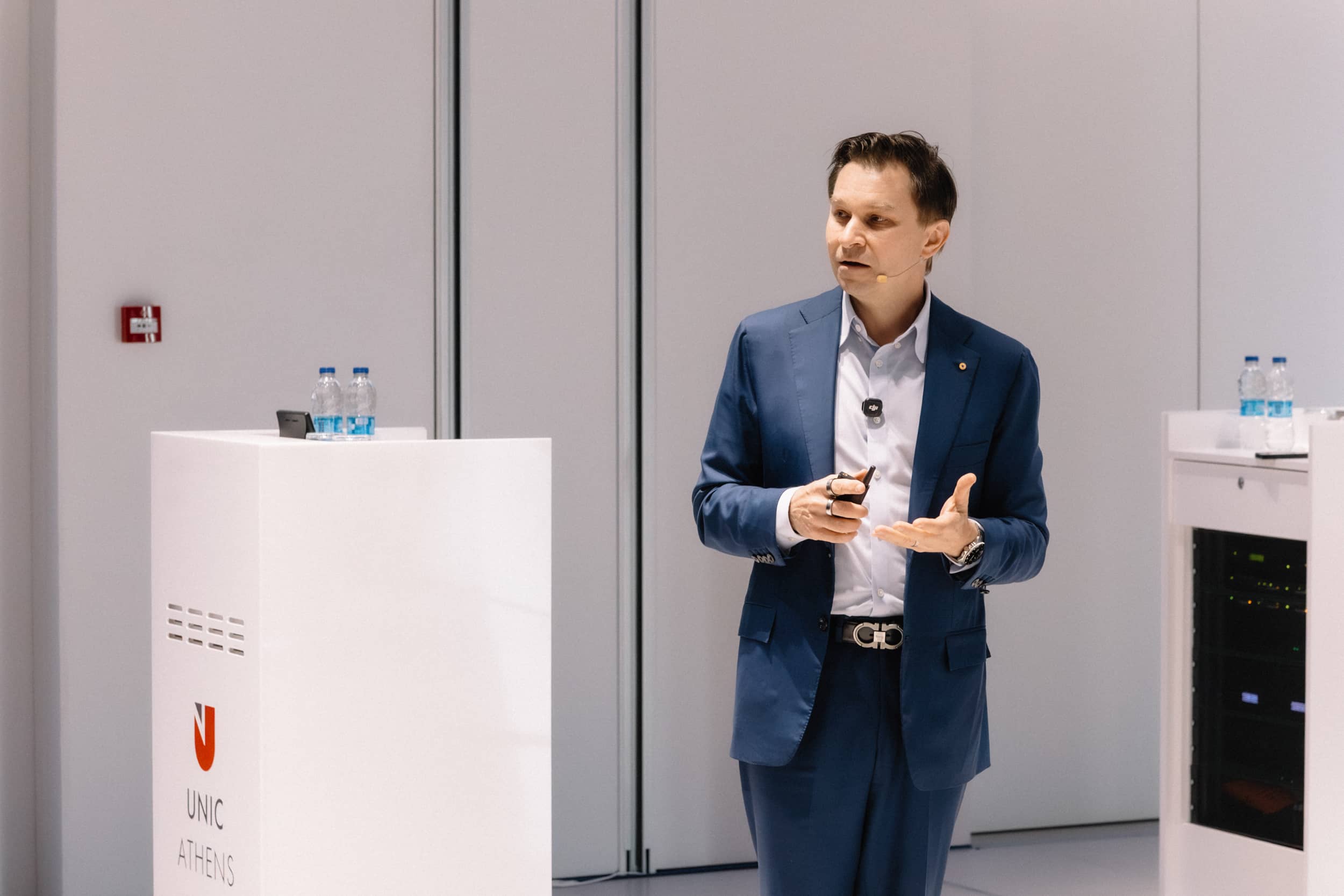
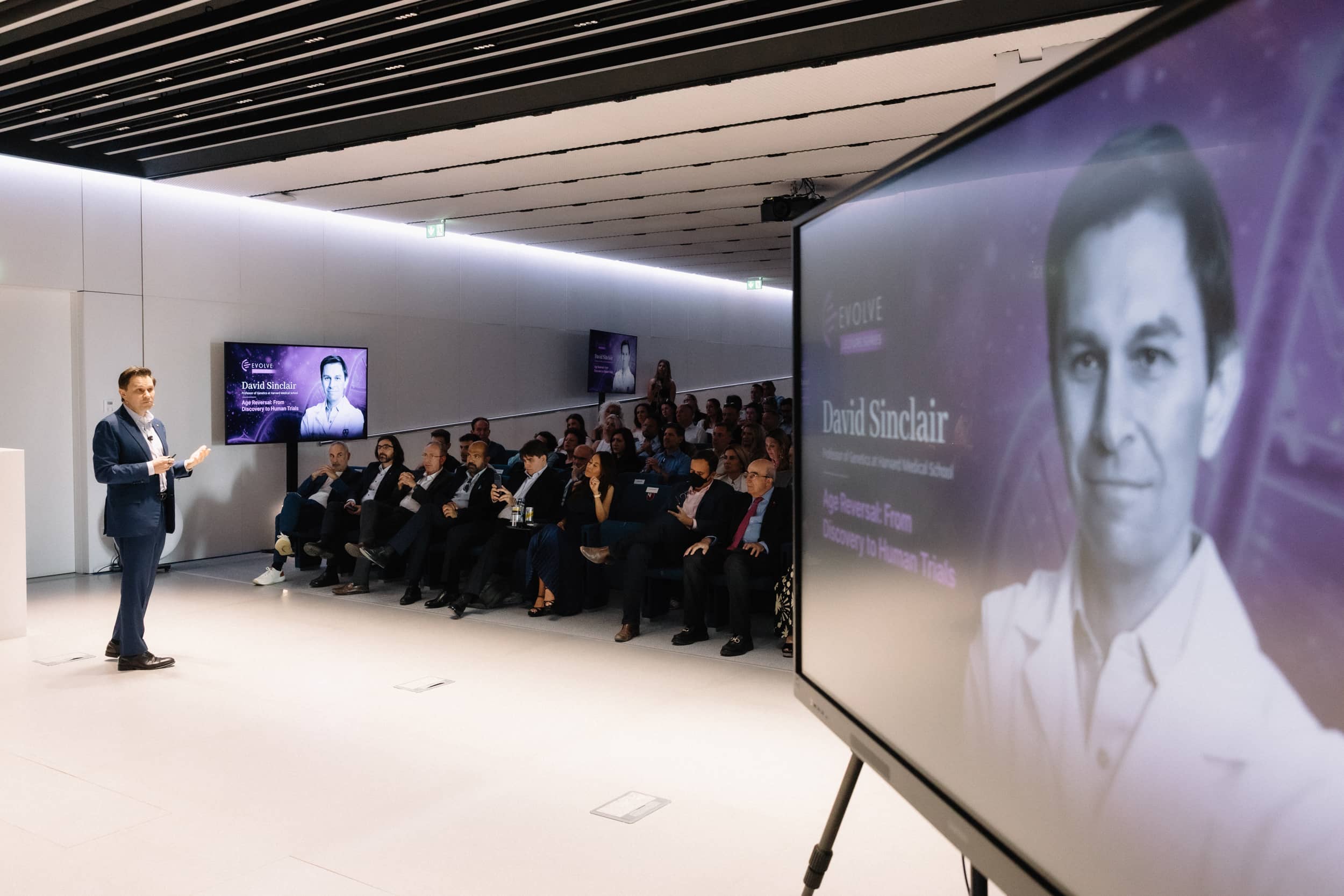
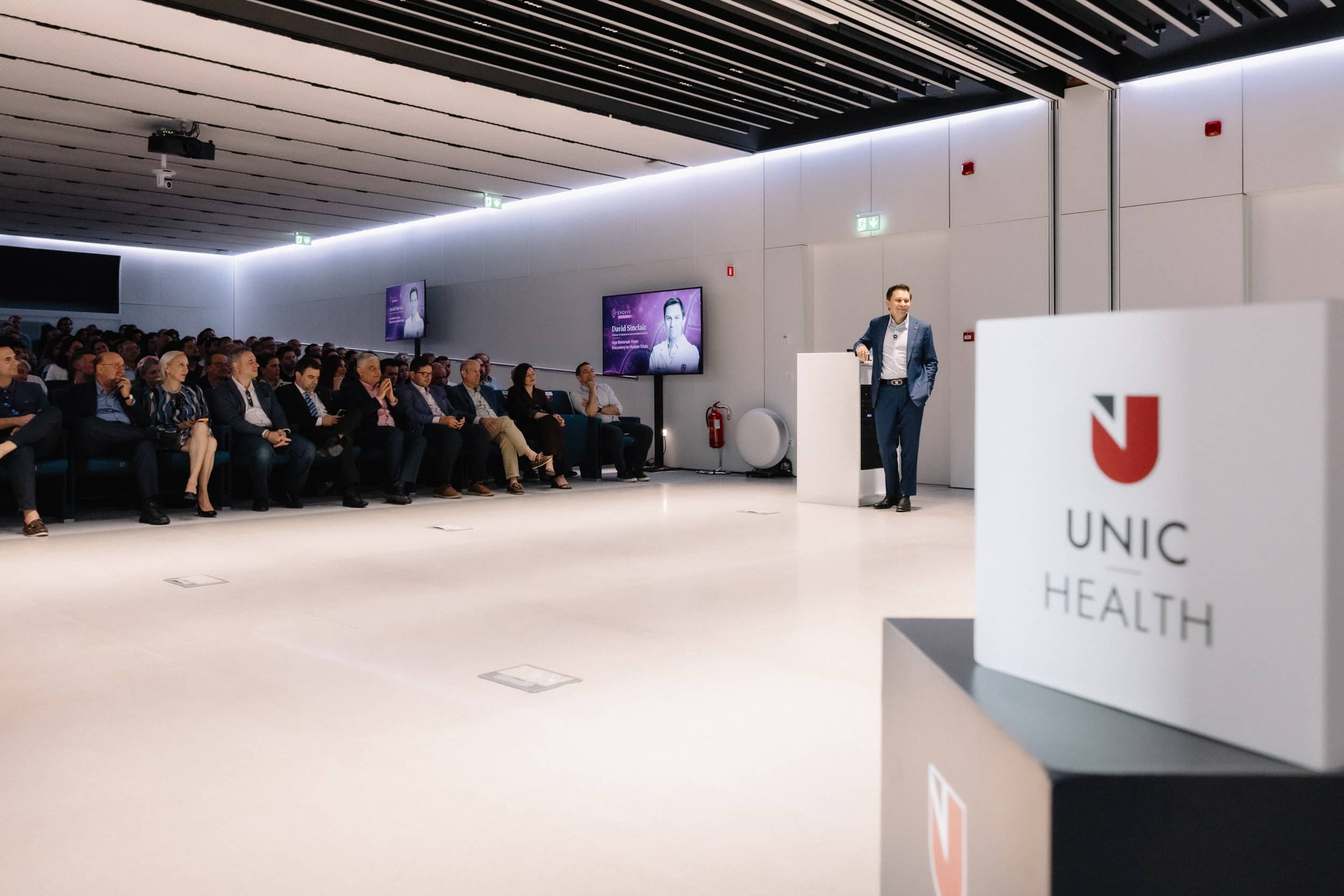
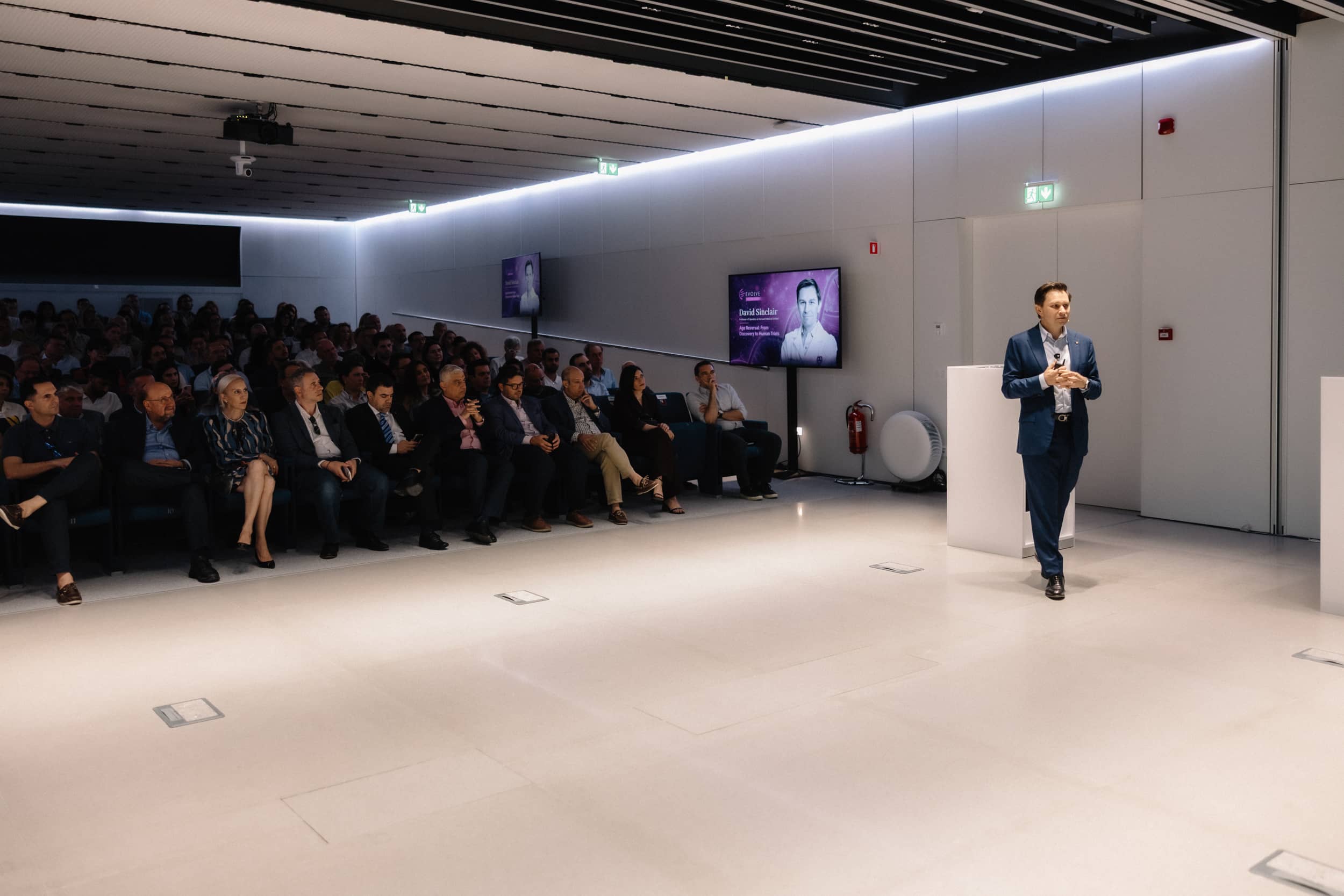
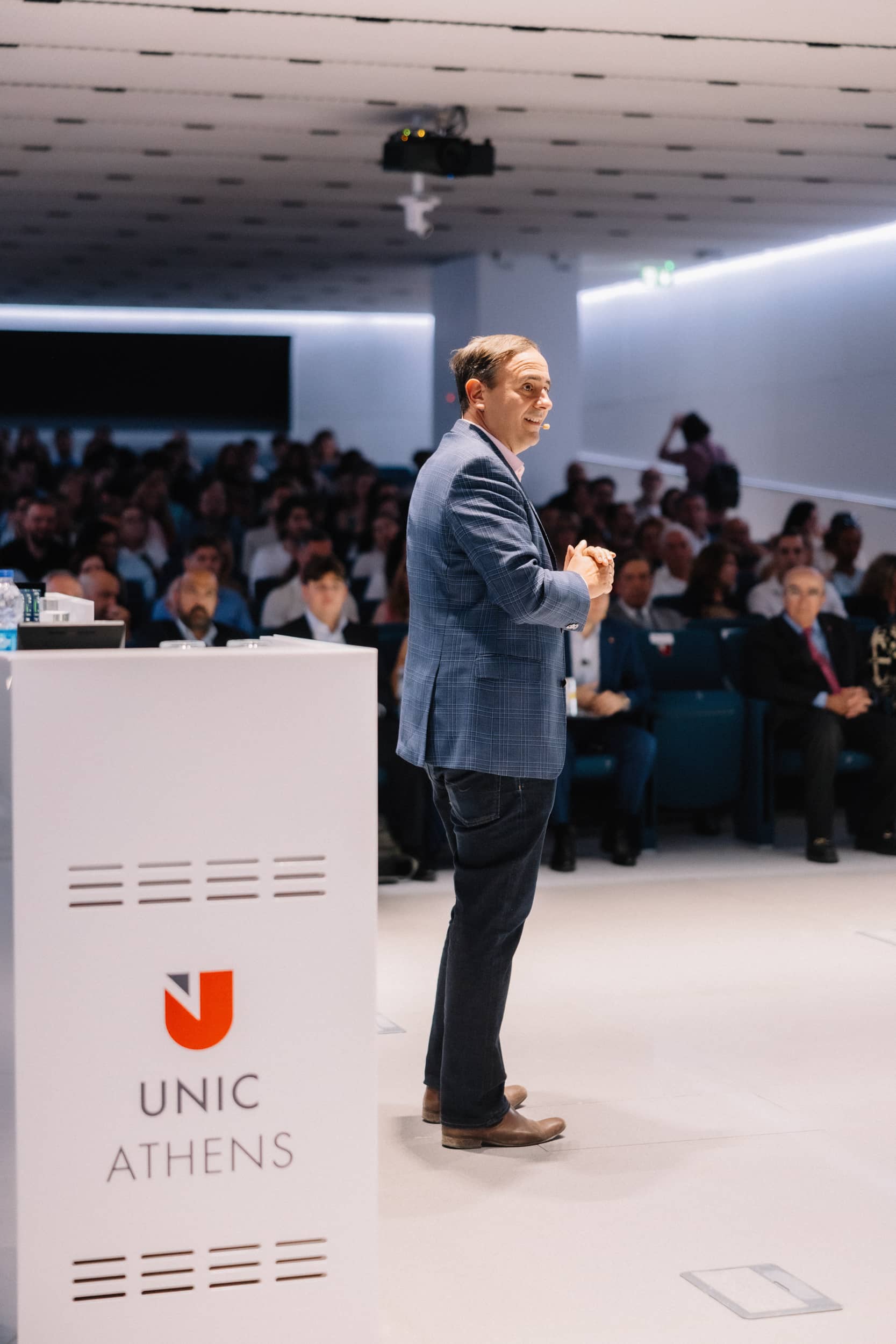
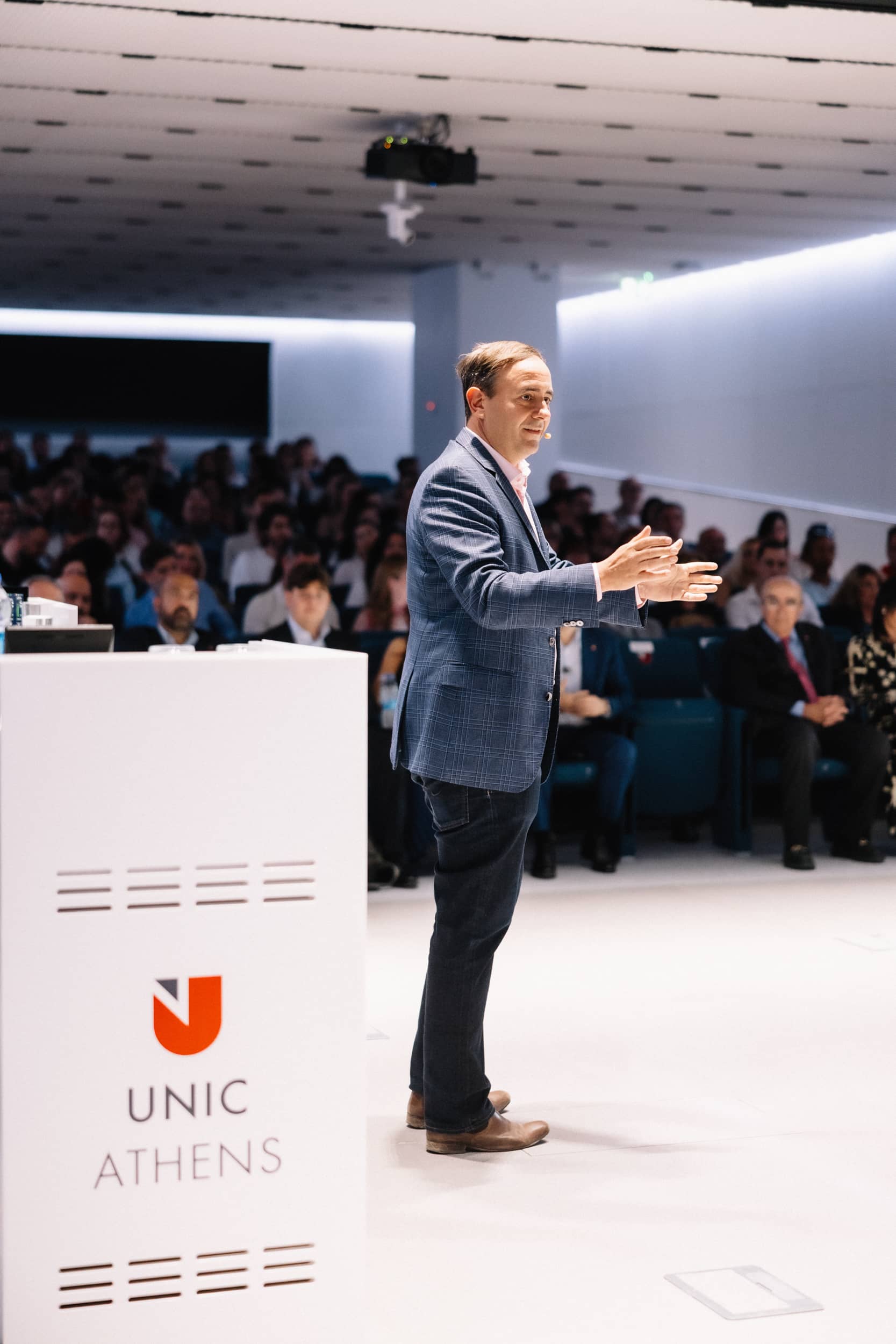
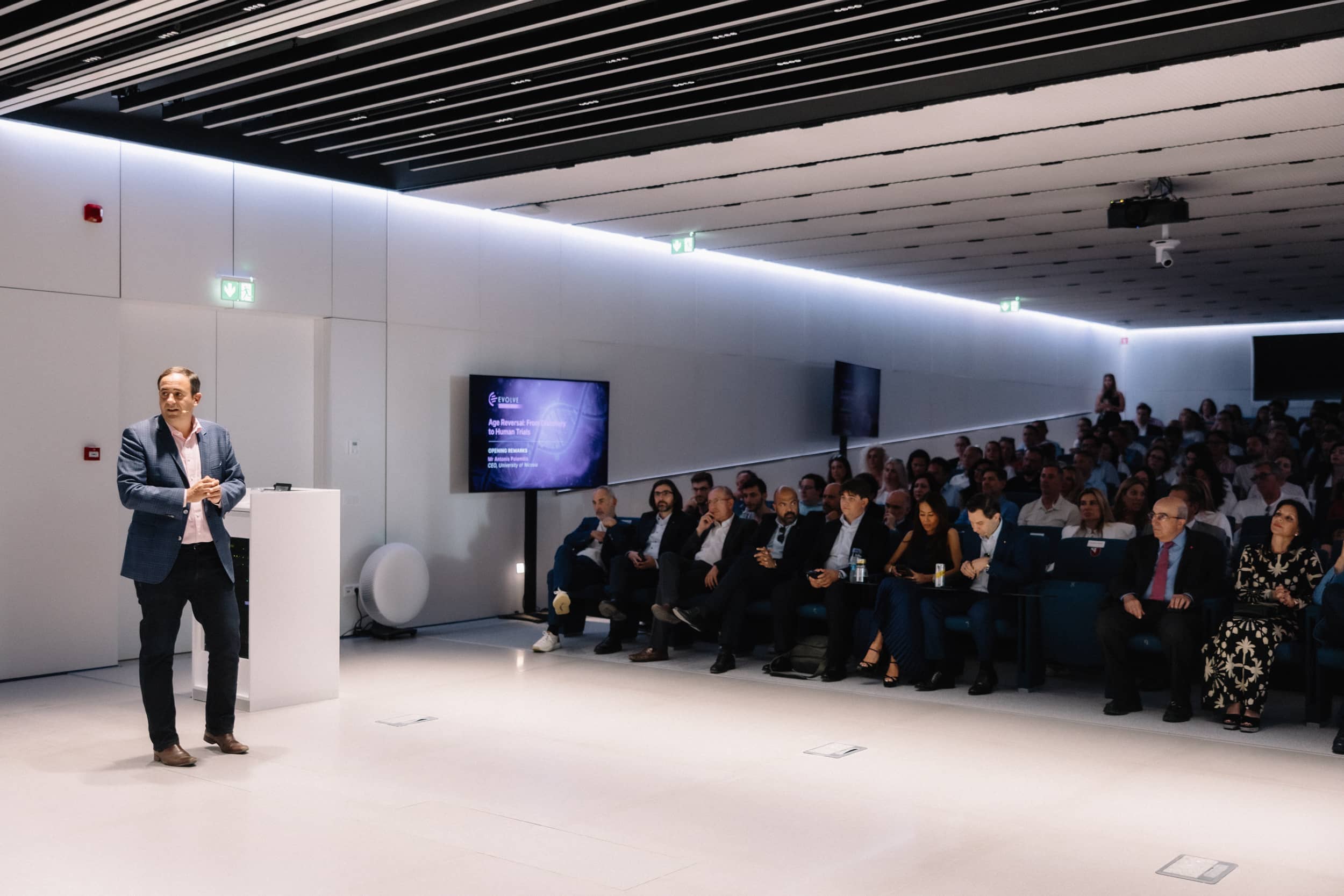
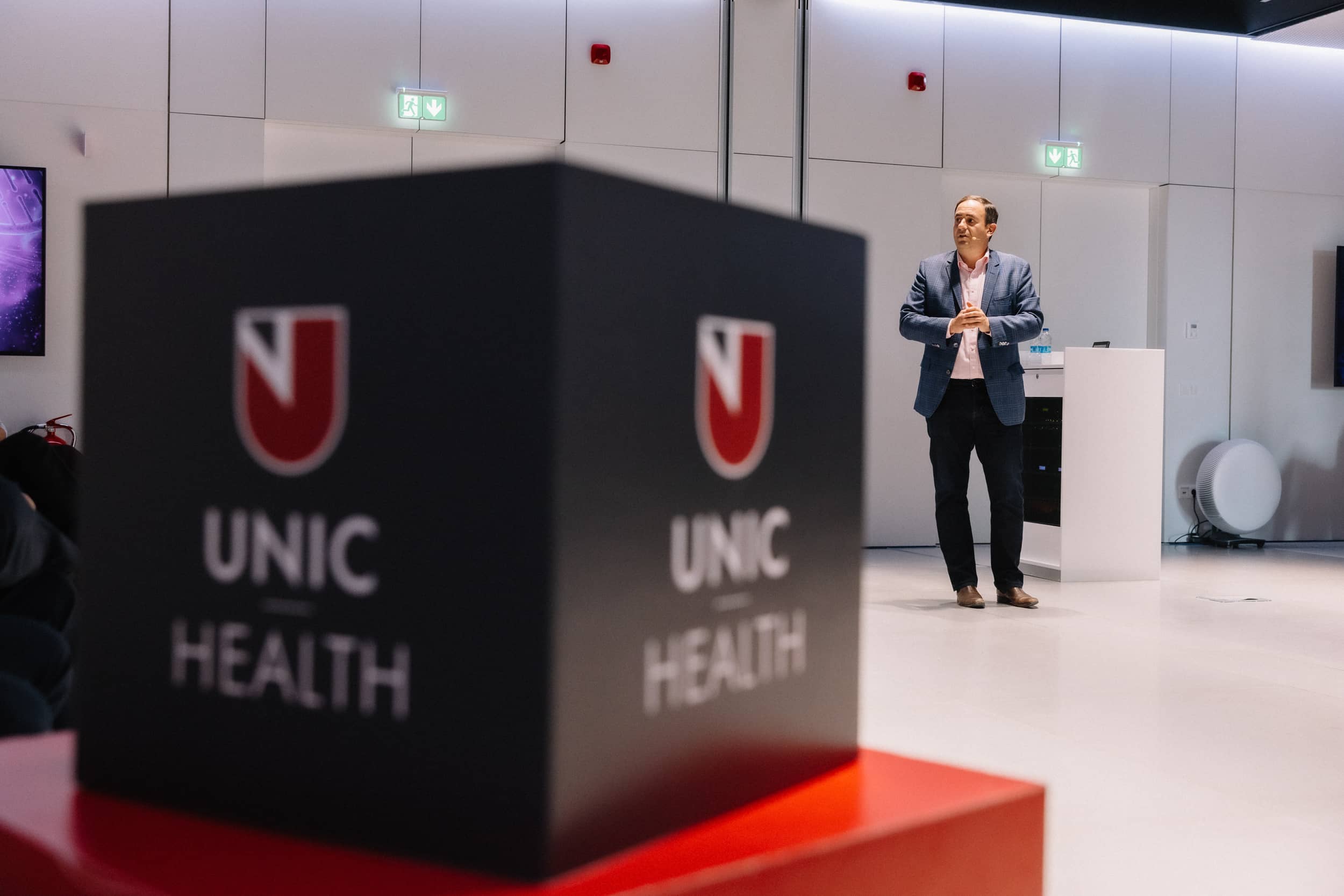
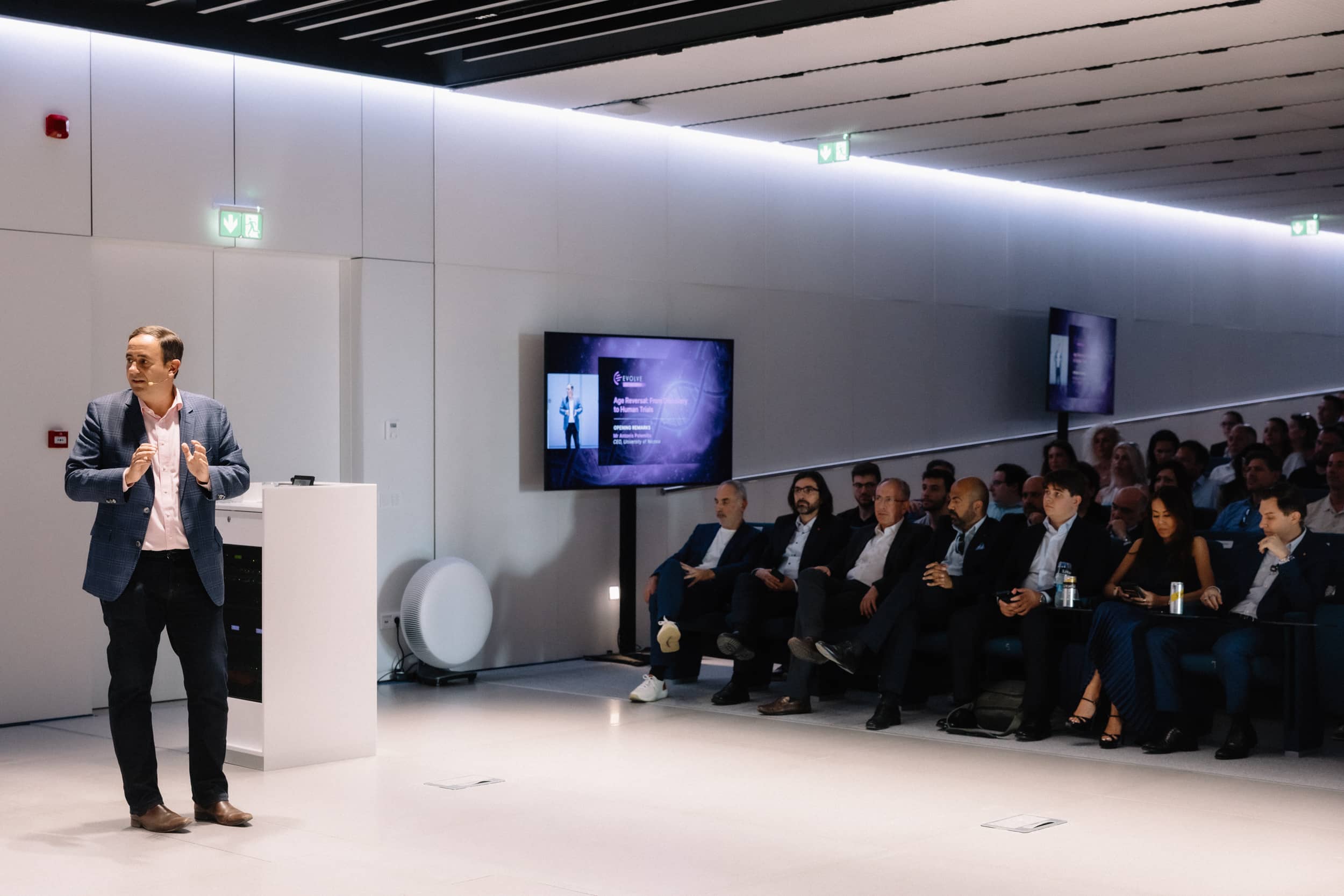
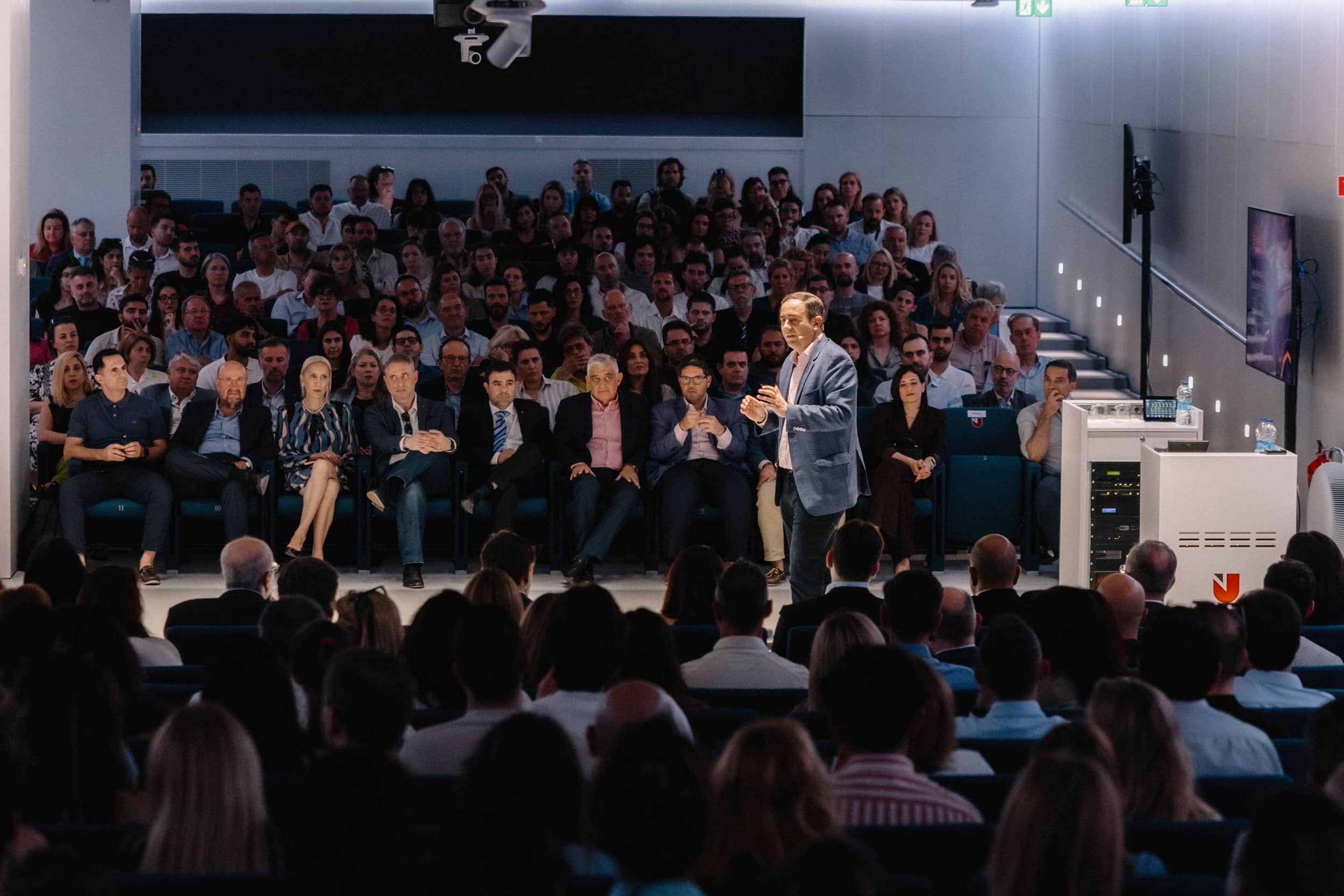
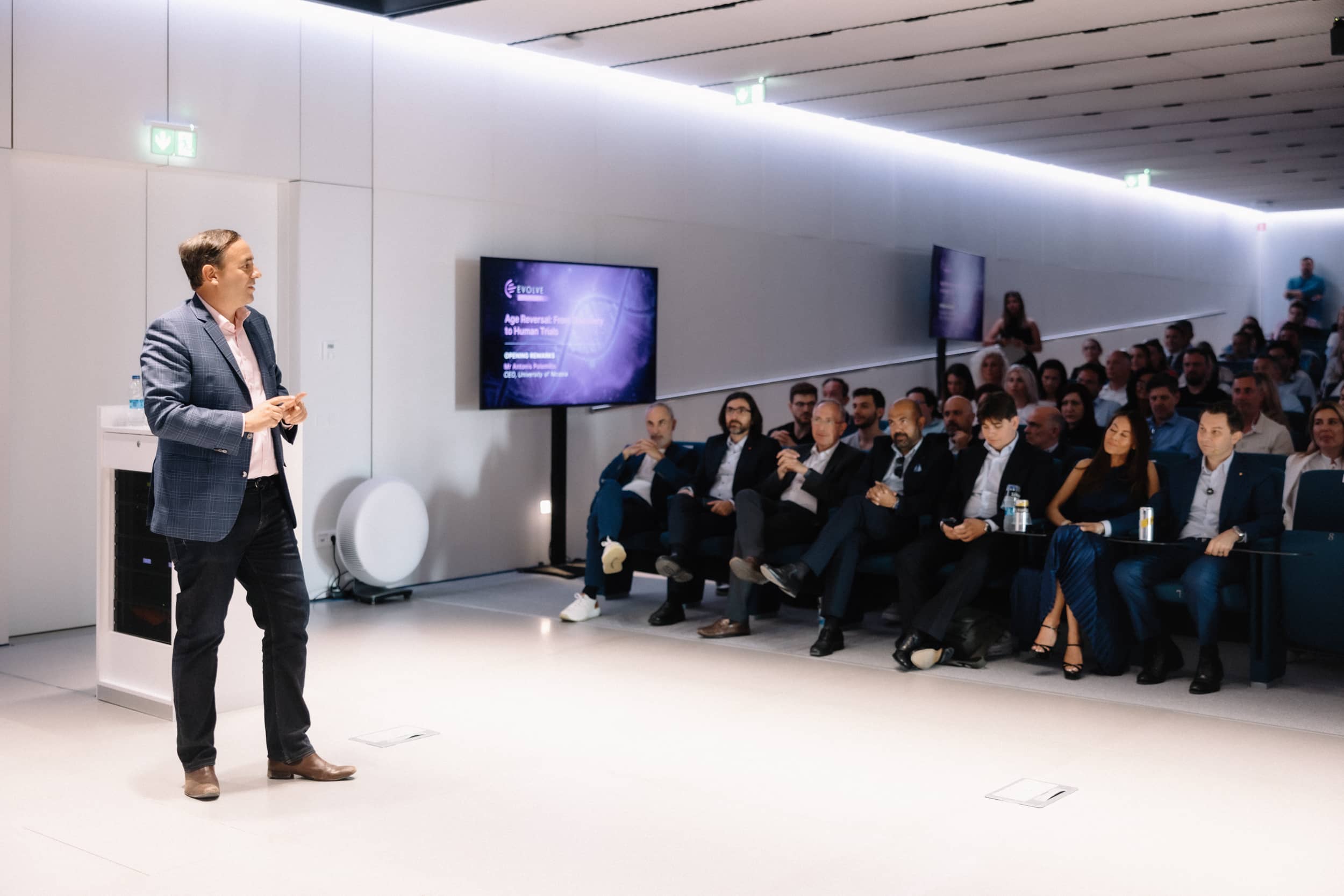
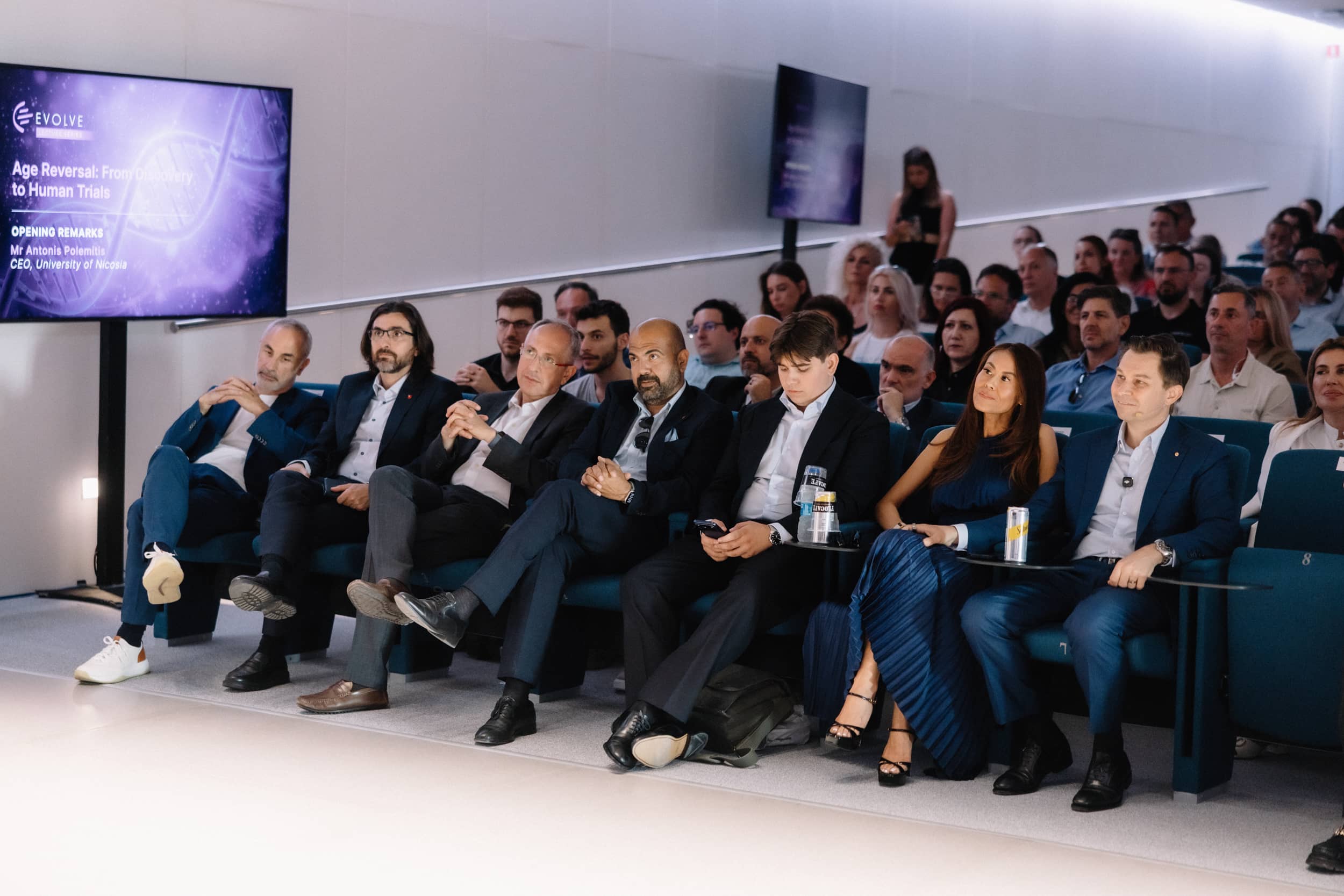
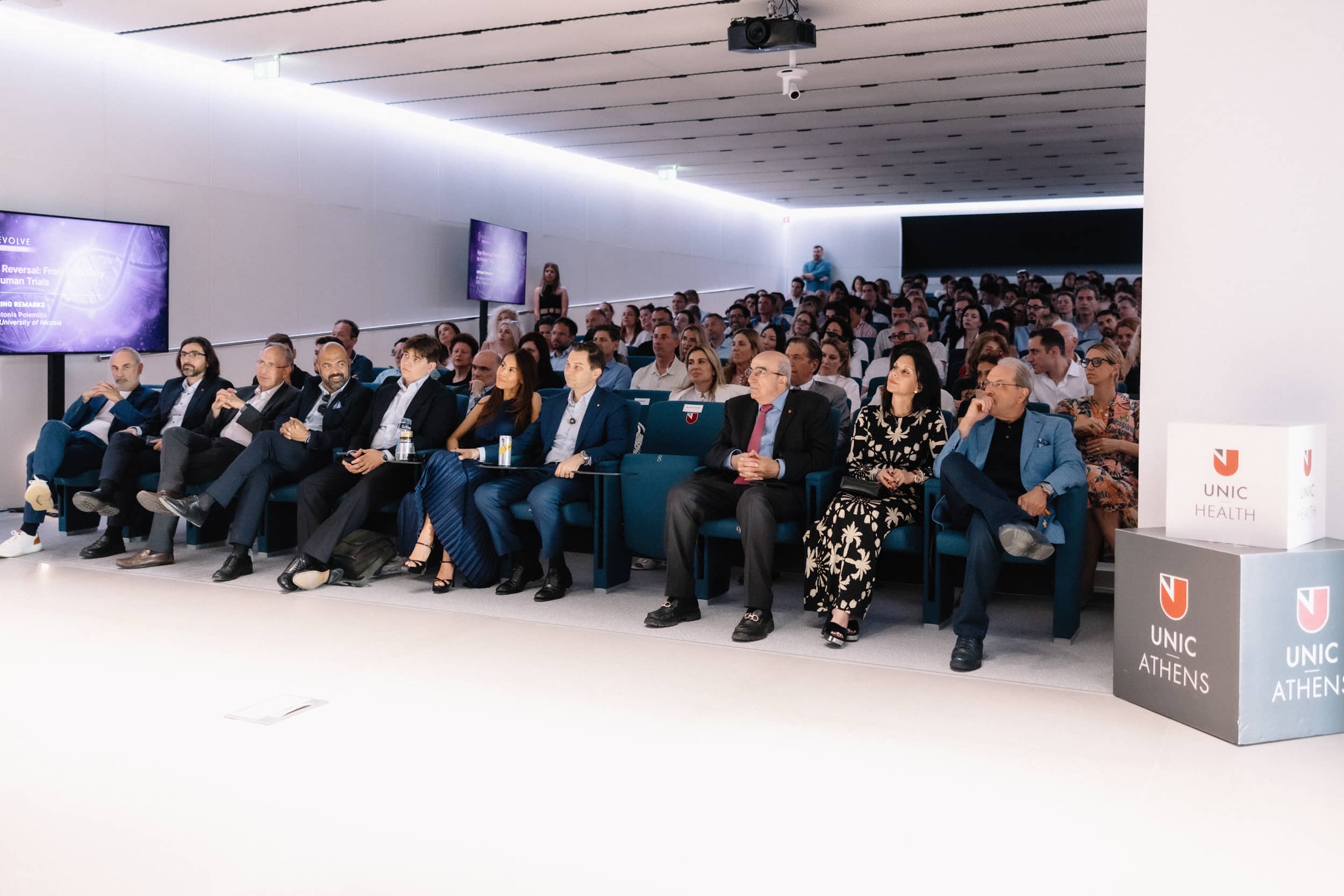
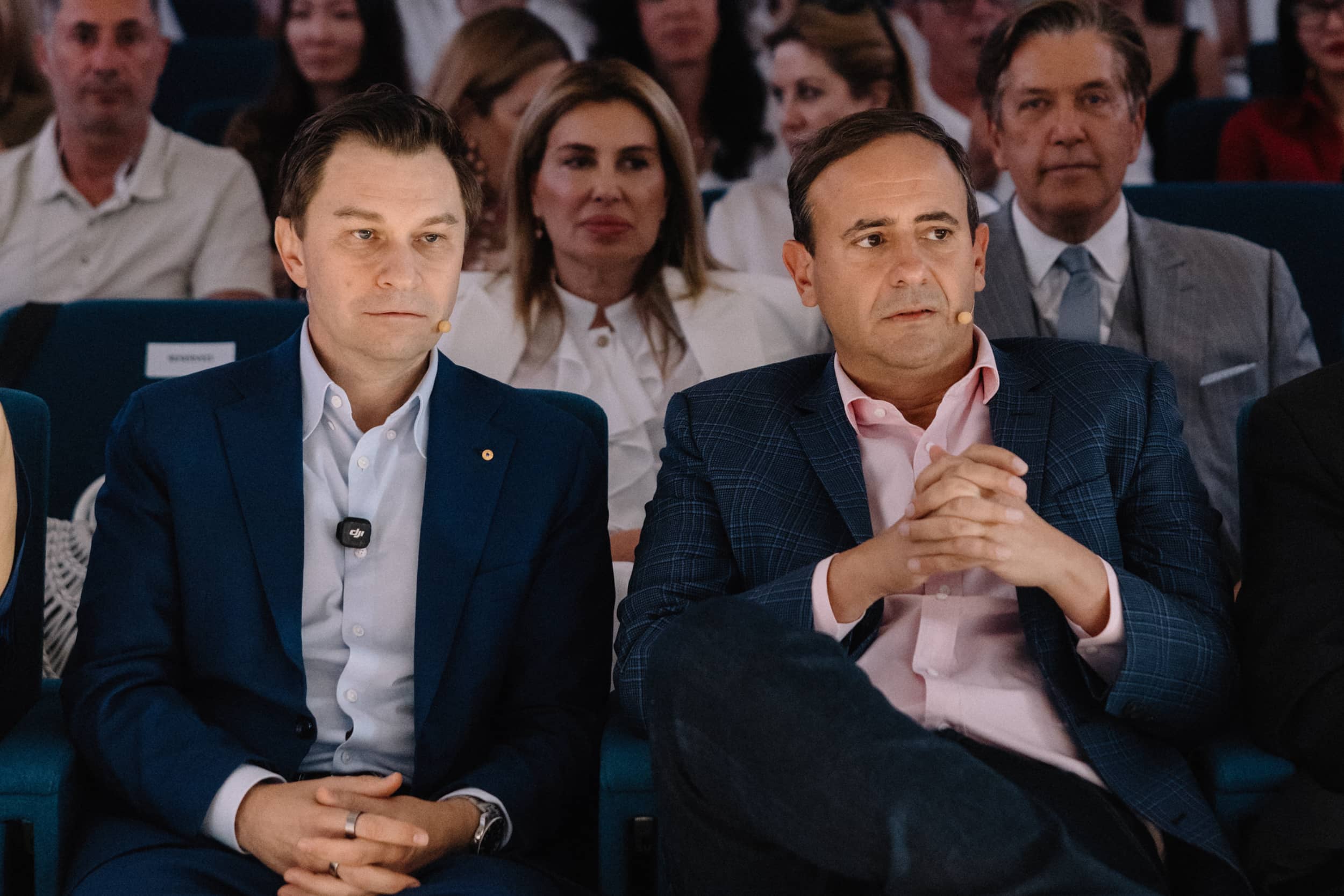
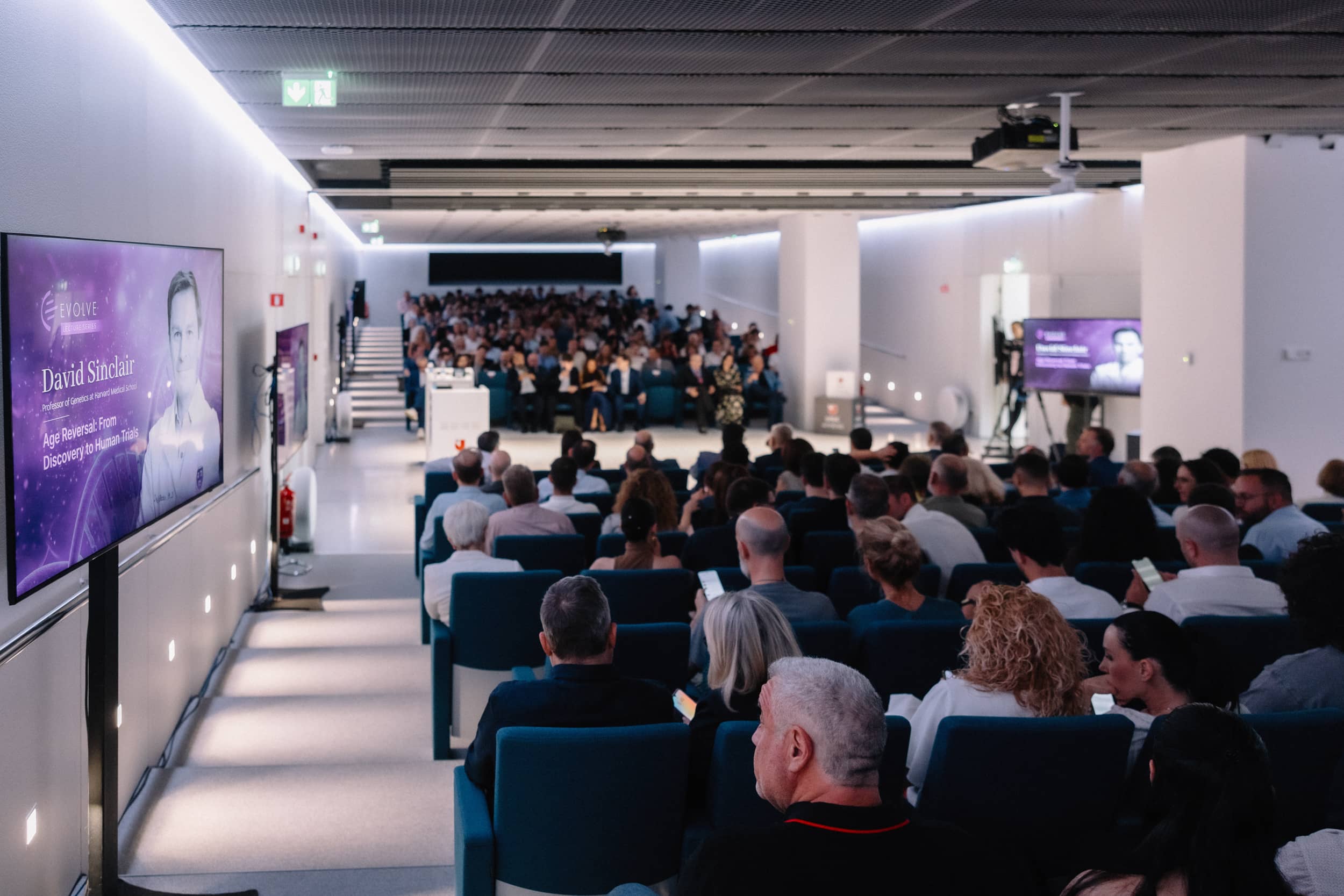
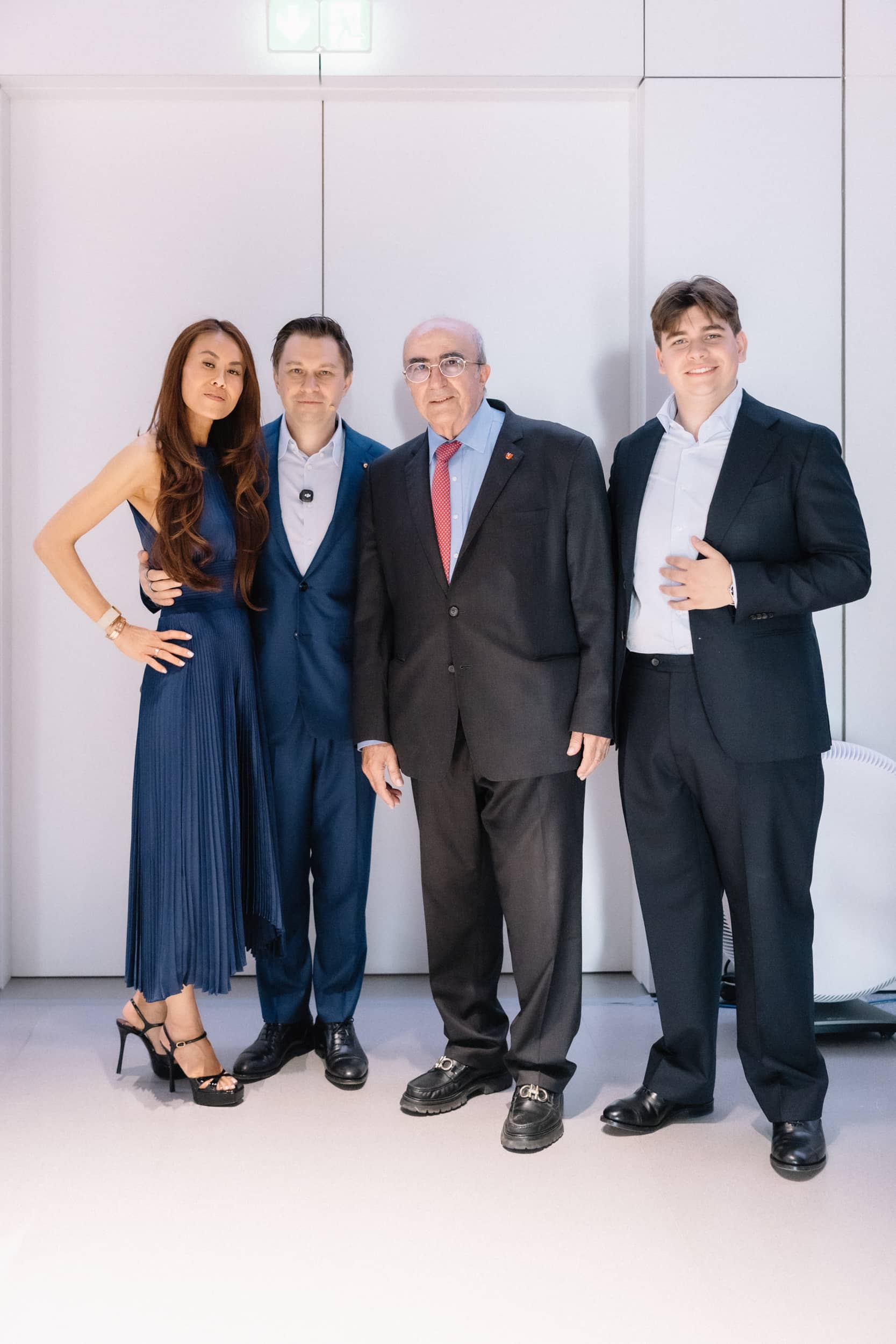
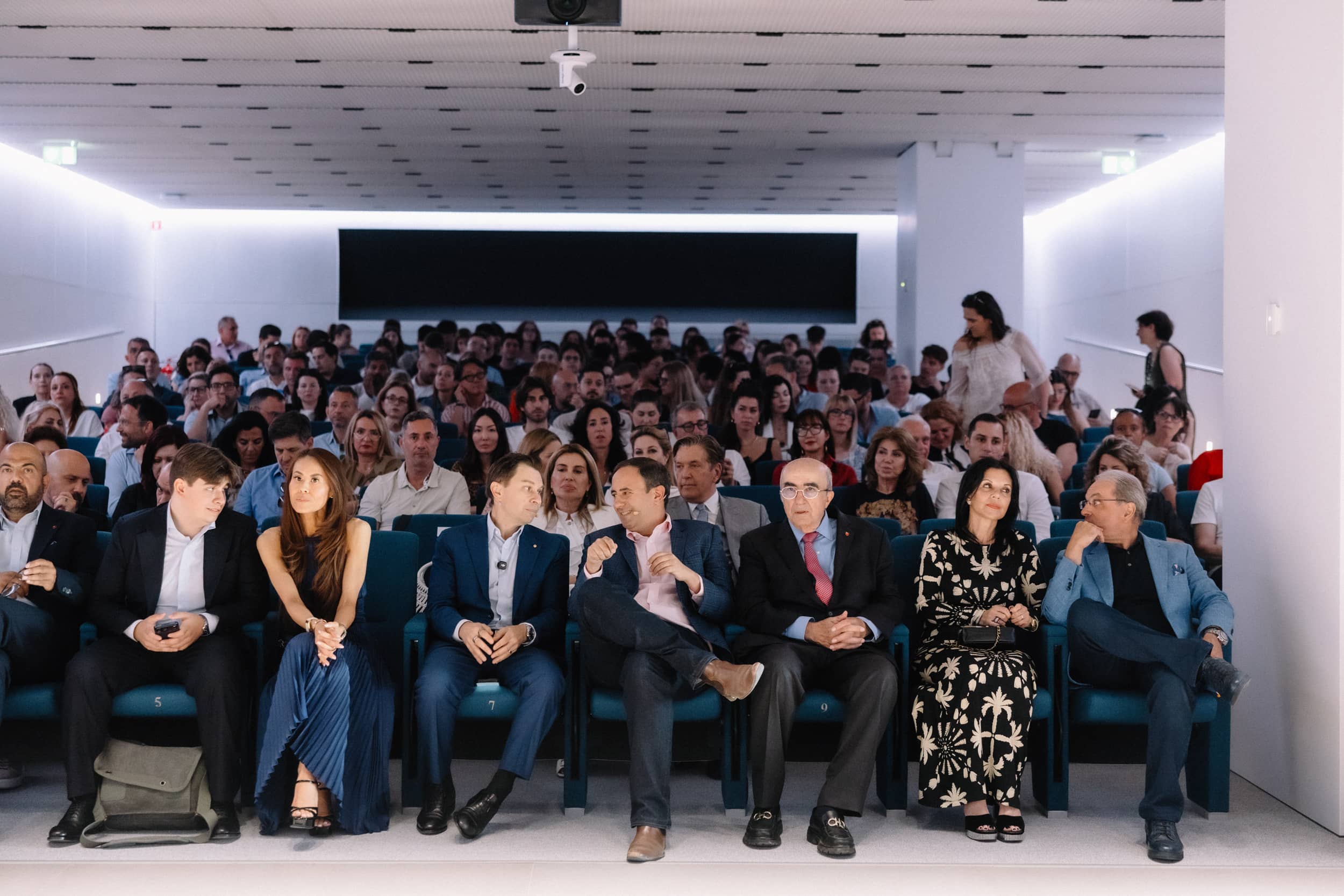
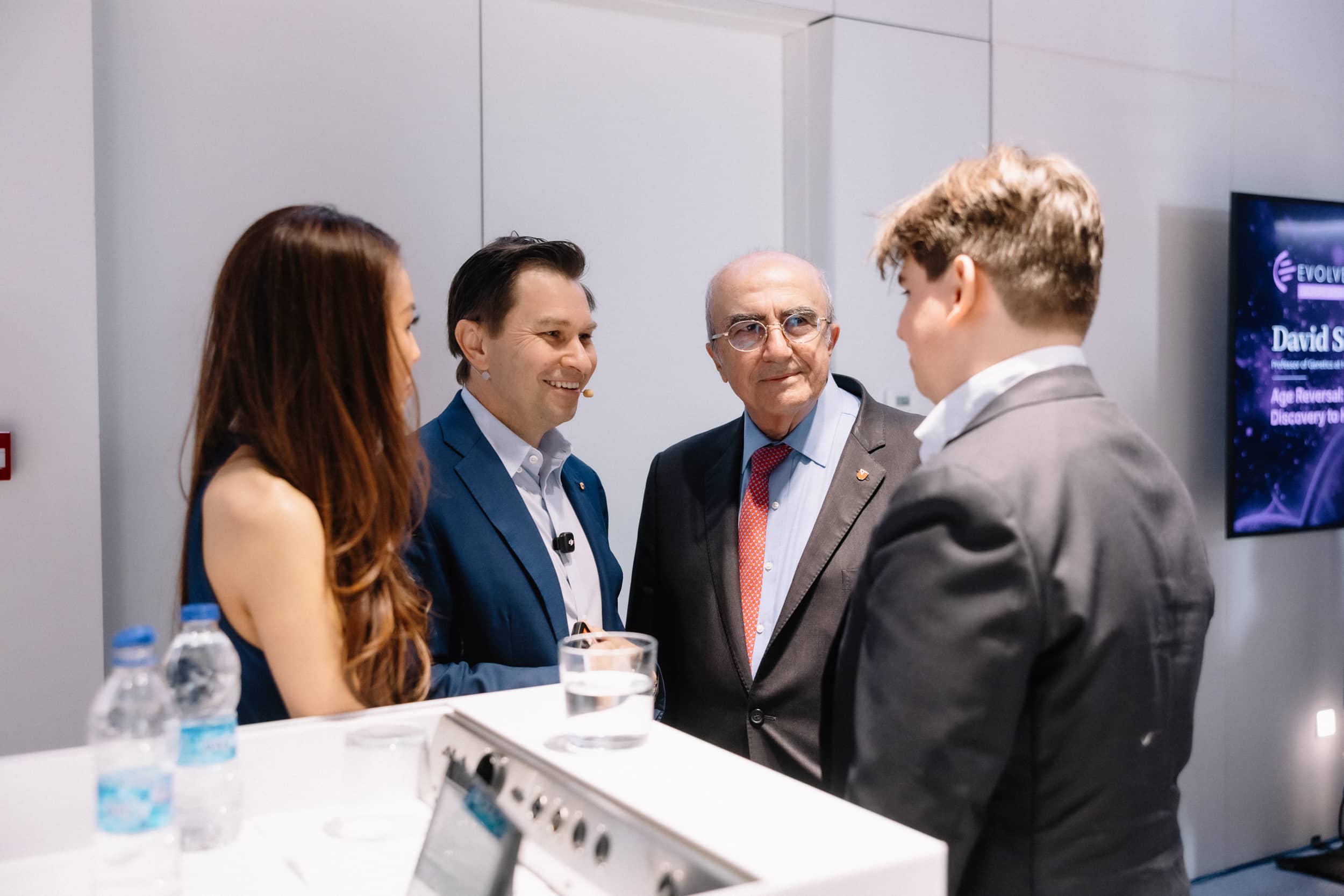
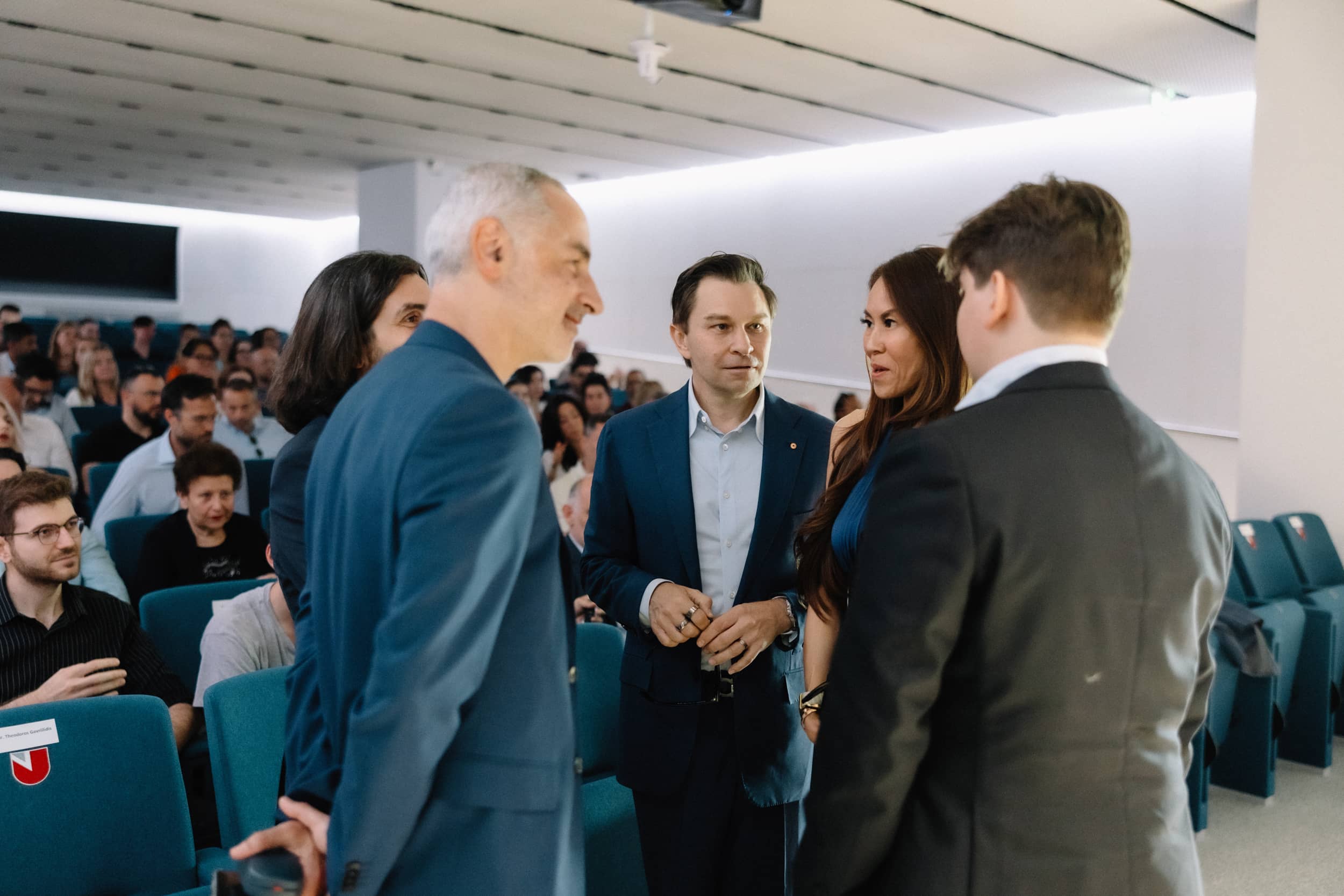
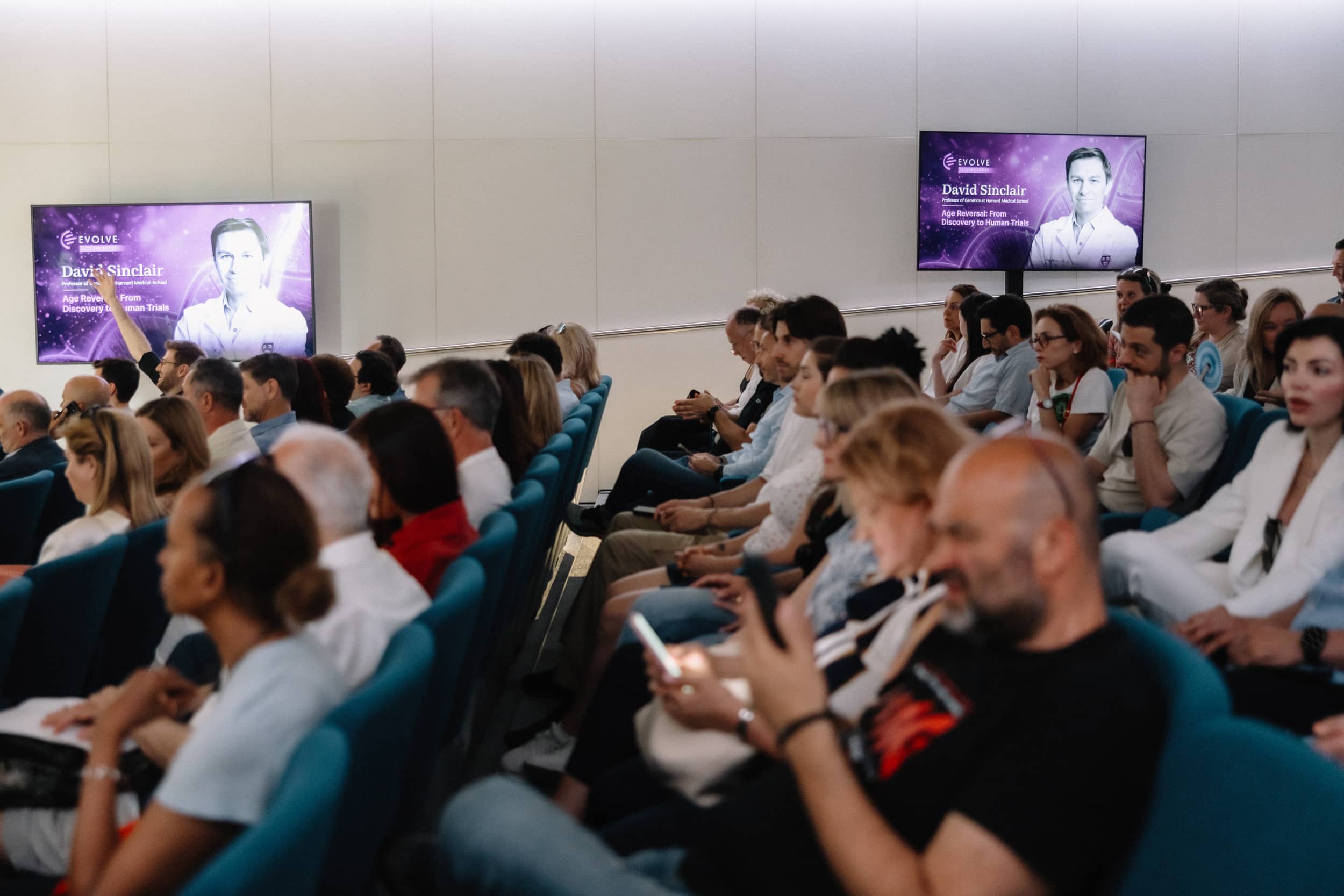
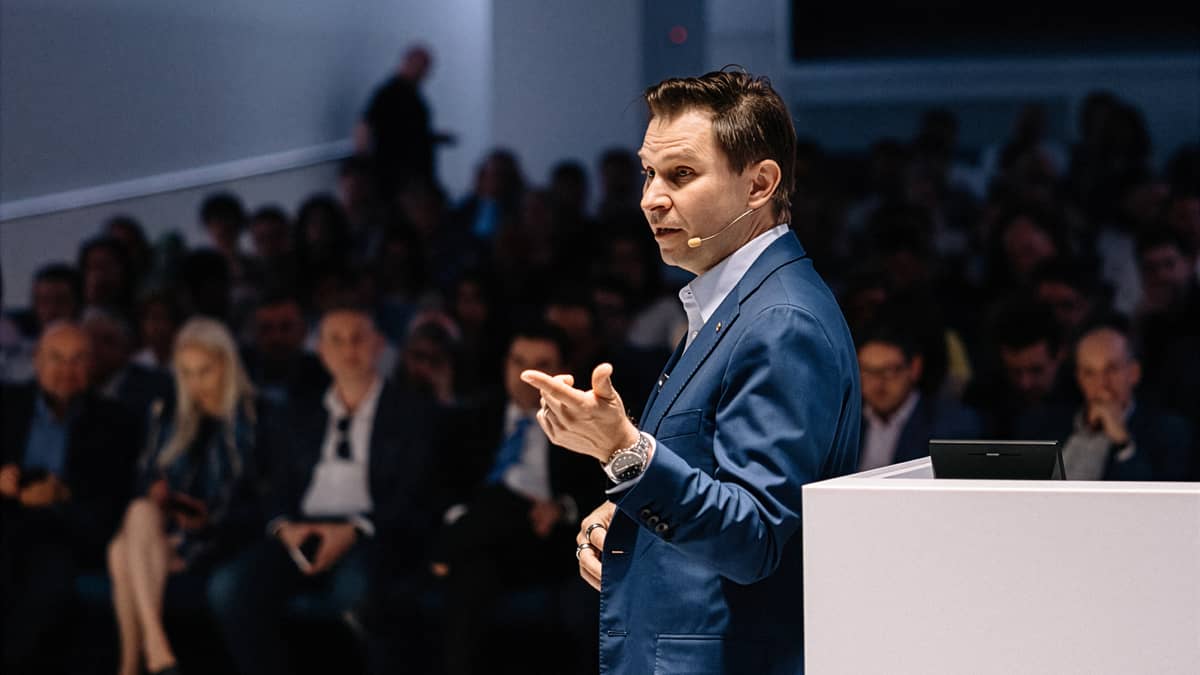
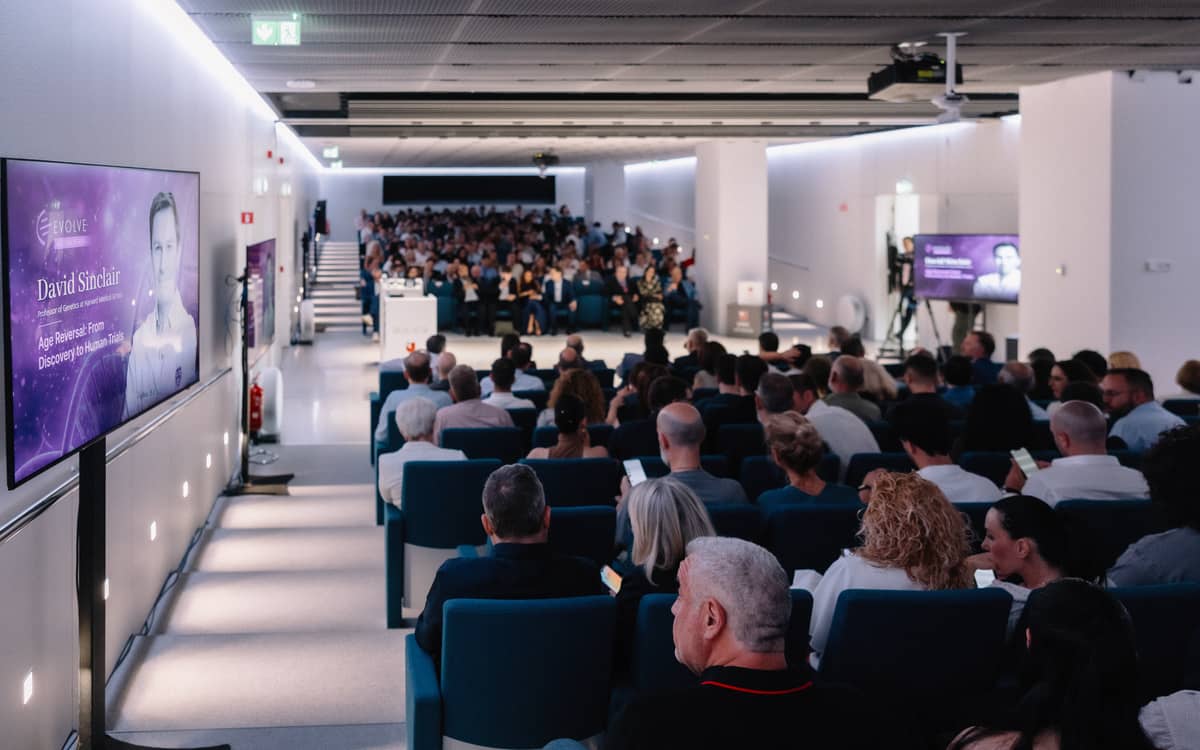
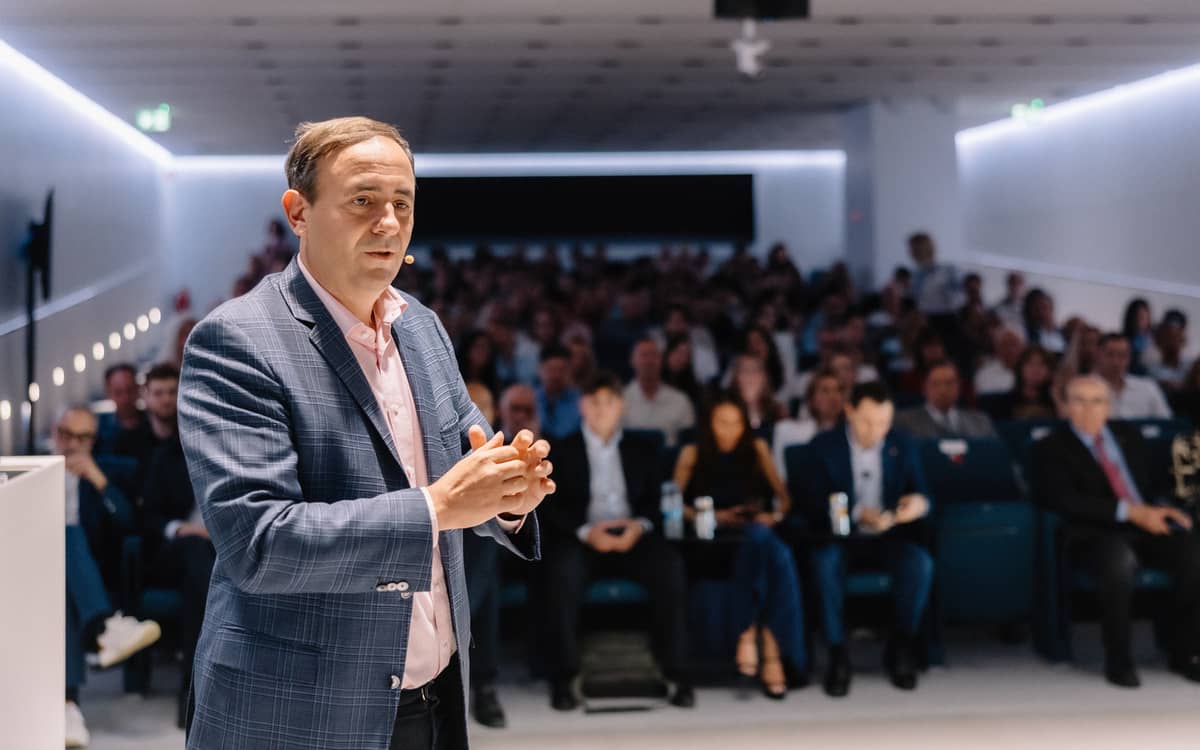
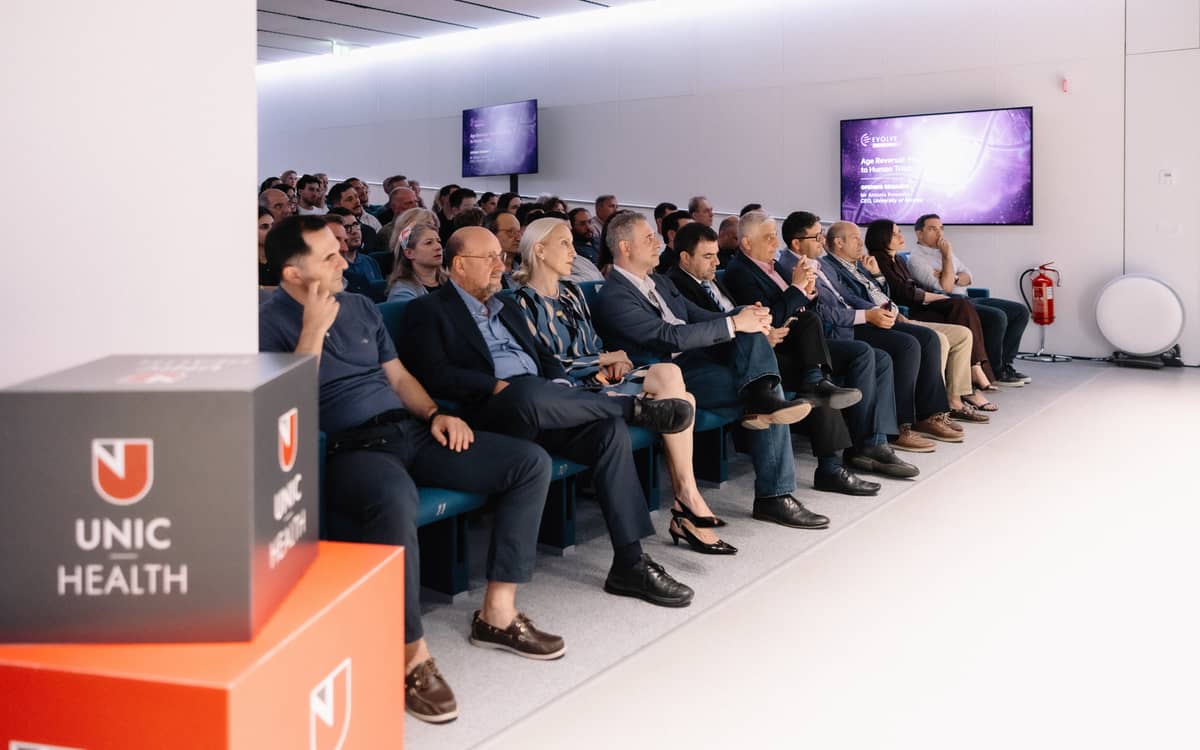
UNIC Athens has launched its new Evolve Lecture Series with an inaugural lecture by David Sinclair, Professor of Genetics at Harvard Medical School and one of the world’s foremost researchers on aging. The talk, titled “David Sinclair on Age Reversal: From Discovery to Human Trials” was delivered to a packed Andreas Vesalius Amphitheatre at the UNIC Athens campus in Elliniko on Thursday, 4 June 2026.
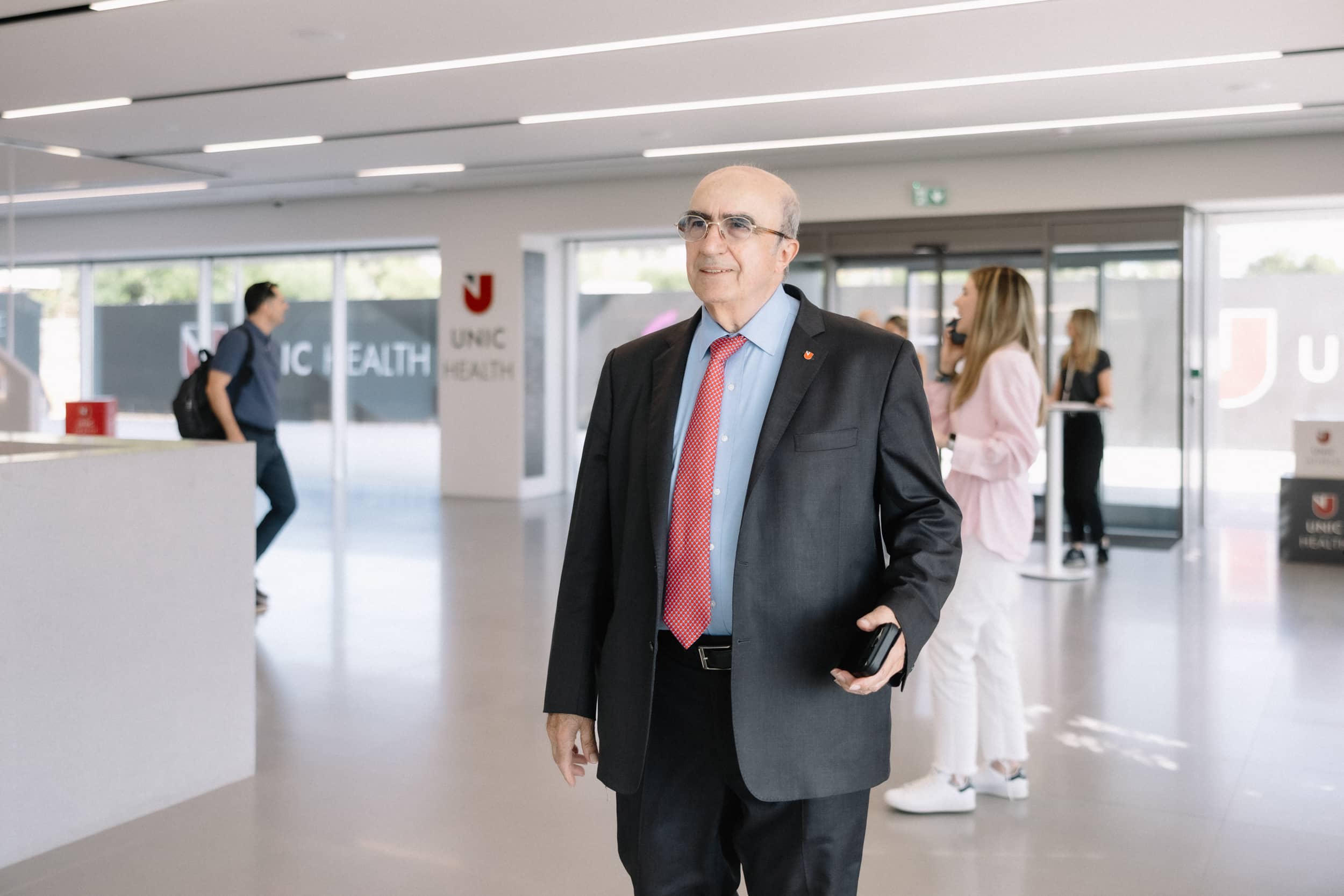
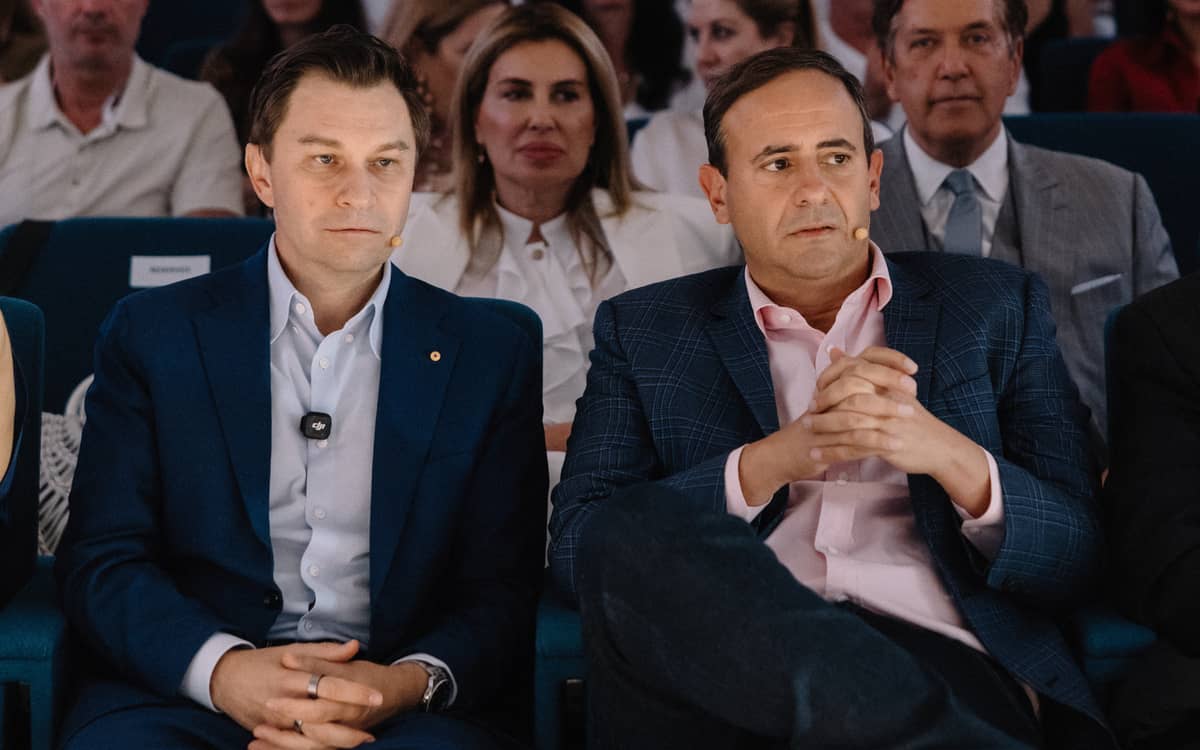
Introducing the speaker, University of Nicosia CEO Antonis Polemitis placed Sinclair among the rare “super-exponential” thinkers working today – a scientist who, he said, is consistently 10 to 20 years ahead of the field. While UNIC’s own goal is to extend healthy lifespan by a decade through preventive medicine, Polemitis noted, Sinclair’s goal is more audacious still: to treat aging itself.
Aging as a cause, not a fate
Sinclair built his talk around a claim he has spent three decades defending – one his own PhD supervisor first dismissed as career-ending: that aging is not simply something that happens to us, but the root cause of most major diseases, from cancer and heart disease to Alzheimer’s. Curing any single disease, he argued, buys humanity surprisingly little time; tackling aging itself, “the mother of all diseases,” is where the real gains lie.
He walked the audience through his Information Theory of Aging, the idea that we grow old chiefly because cells lose the epigenetic instructions that tell them what they are and how to behave – the “software” of the cell – rather than because of damage to the DNA code itself. He traced the work that led there, from his early discoveries on sirtuins and the role of NAD+, to the epigenetic reprogramming experiments that became the heart of the talk. Using three of the four “Yamanaka factors” – the combination known as OSK, deliberately leaving out the cancer-linked fourth gene – his lab was able to reset the age of cells, regrow damaged optic nerves, and restore sight, first in mice and later in monkeys.
From the laboratory to humans
Sinclair described how this approach has now reached its first trials in humans, through his company Life Biosciences, beginning with eye conditions where the need is urgent: glaucoma and the sudden-onset blindness known as NAION. He told the audience that the first glaucoma patient has already been treated and that the trial is underway. He also pointed to artificial intelligence as a force multiplier for the field, describing how his lab can now compress what would once have been well over a century of experiments into a single month, and screen billions of candidate molecules before any of them reaches the bench. Beyond the eye, he reported encouraging results in animals for the liver, for motor neurons in ALS, and for memory in the aging brain.
For all that ambition, Sinclair was careful to say he is not chasing immortality, but more healthy years of life. As he put it:
“There is no law of biology that says we have to age.”
The lecture closed with a wide-ranging audience discussion that moved from the funding and social challenges of aging research to the prospect of one day regrowing organs and joints rather than replacing them.
A new lecture series on the future of health
The event marks the start of the Evolve Lecture Series, a UNIC Athens initiative that brings leading scientists, researchers, and innovators together to examine the frontiers of artificial intelligence, robotics, biotechnology, and human health. The series takes its name and inspiration from Evolve, the University of Nicosia’s flagship research initiative, which connects nutrition, environment, human biology, and real-world data in pursuit of new models for preventive and personalized medicine.
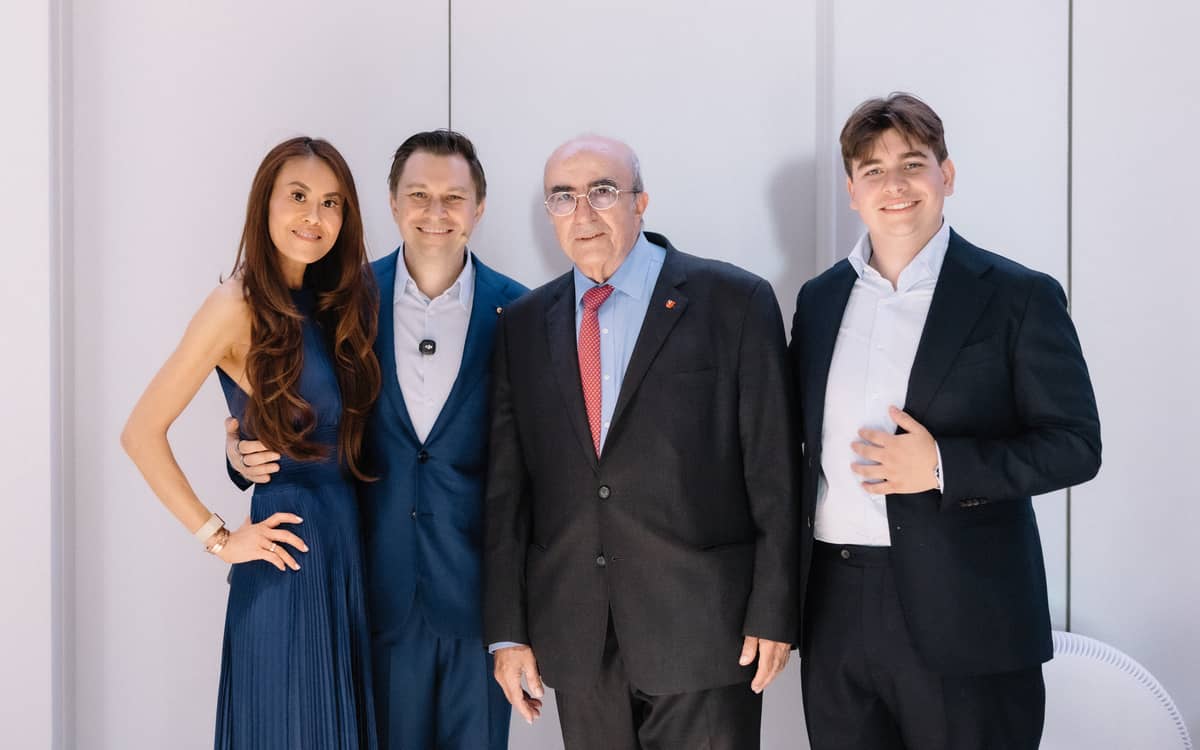
On Friday, June 5, 2026, Professor David Sinclair was conferred the title of Honorary Doctor (Doctor of Philosophy Honoris Causa) by the University of Nicosia, in recognition of his exceptional contribution to aging research, the science of longevity, and healthy lifespan.