
Climate and Social Changes in Cyprus in The Last Millennium
A project funded by the French National Agency (ANR) and National Center for Scientific Research (CNRS) is trying to disentangle the interaction between climate change, landscape evolution and disease occurrences in Cyprus during the last nine centuries.
Since 2021, scientists led by Dr. Carole Nehme from the University of Rouen (France), with the Karlsruhe Institute of Technology – KIT (Germany), the Centre de Recherches en Environnement-Espace Mediterranée Orientale-CREEMO of Saint-Joseph University of Beirut (Lebanon), the University of Nicosia in Cyprus are working together to understand how the landscape was shaped by the climate and Cypriot society from the Venetians until now, and how it affected the emergence of infectious diseases such as typhus and malaria.
Many studies show that hydrological fluctuations in the Near-East were challenging for vulnerable societies. For instance, the island experienced several periods of droughts, famine and the spread of diseases such as plague epidemics since the12th century. Malaria was endemic on the island and one of the major causes of death at the beginning of the 20th century.
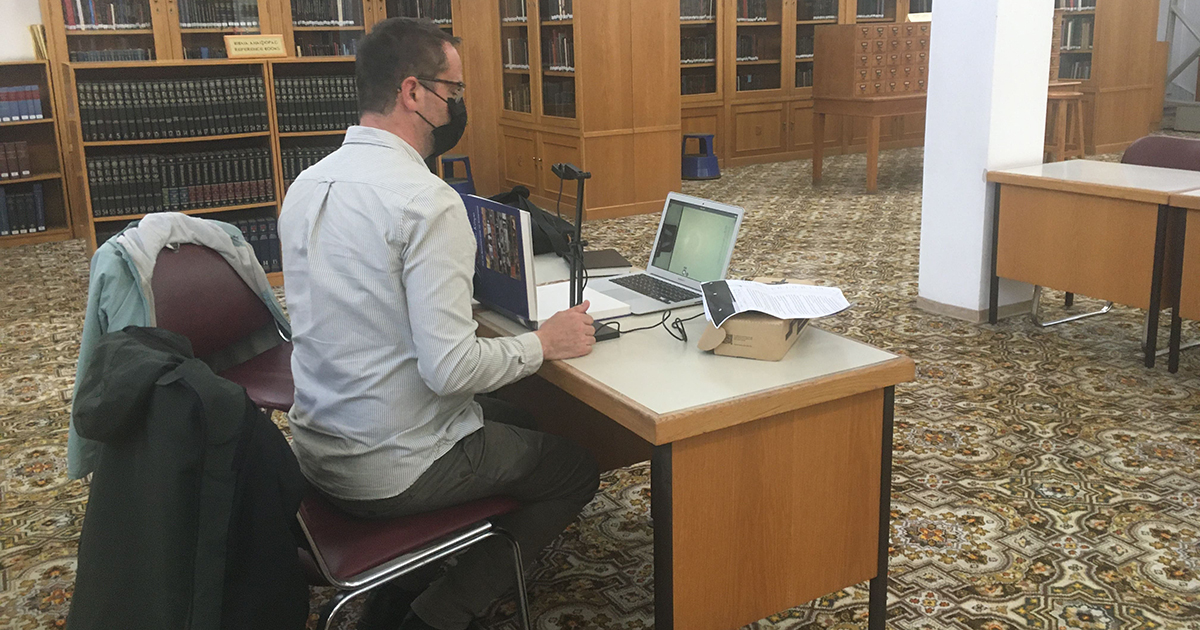
Prof. Emmanuel Eliot, a specialist in Health geography, is collaborating with Biologists Dr. Iris Charalambidou, Prof. Salih Gucel and Kyriakos E. Georgiou, Senior Administrator from the University of Nicosia . They are collecting epidemic and landscape data from the Middle Ages until now (old maps, gazettes, censuses, compilations made by historians, reports) that are accessible in various archives (e.g. Republic of Cyprus State archives, Kykkos Research Center, foundations such as the Severis foundation (CVAR) in Nicosia, municipal archives in Larnaca and Limassol, libraries in Cyprus and abroad). Data are compiled in a Geographic Information System encompassing indicators on vulnerability such diseases (e.g. tuberculosis, typhus, malaria, plague) or locust attacks and indicators of landscape evolution (irrigation systems, land use, etc). In addition, Both Dr Charalambidou and Prof. Eliot are supervising a PhD student working on the interactions between malaria and landscape transformations during the British colonial times in Cyprus during the 20th century.
In parallel, Dr. Jocelyne Gerard, a climatologist from the CREEMO-USJ center in Beirut (Lebanon) is compiling weather data collected during the British rule from both the Cyprus gazette and Cyprus Blue Books. Temperature and precipitation data of stations throughout the island describe geographical variations of the weather from the end of the 19th to the 20th century. To complete the climate series over the last millennium, Dr. Carole Nehme, head of the project and a palaeoclimatologist, is reconstructing climate indicators from natural archives such as speleothems. Speleothems are calcite precipitates deposited in caves where the growth is dependent on water availability. Such deposits are known to be linked to the amount of precipitation and temperature. Geochronological dating using Uranium-Thorium and counting of laminaes permits the reconstruction of hydroclimate variations over several thousand years.
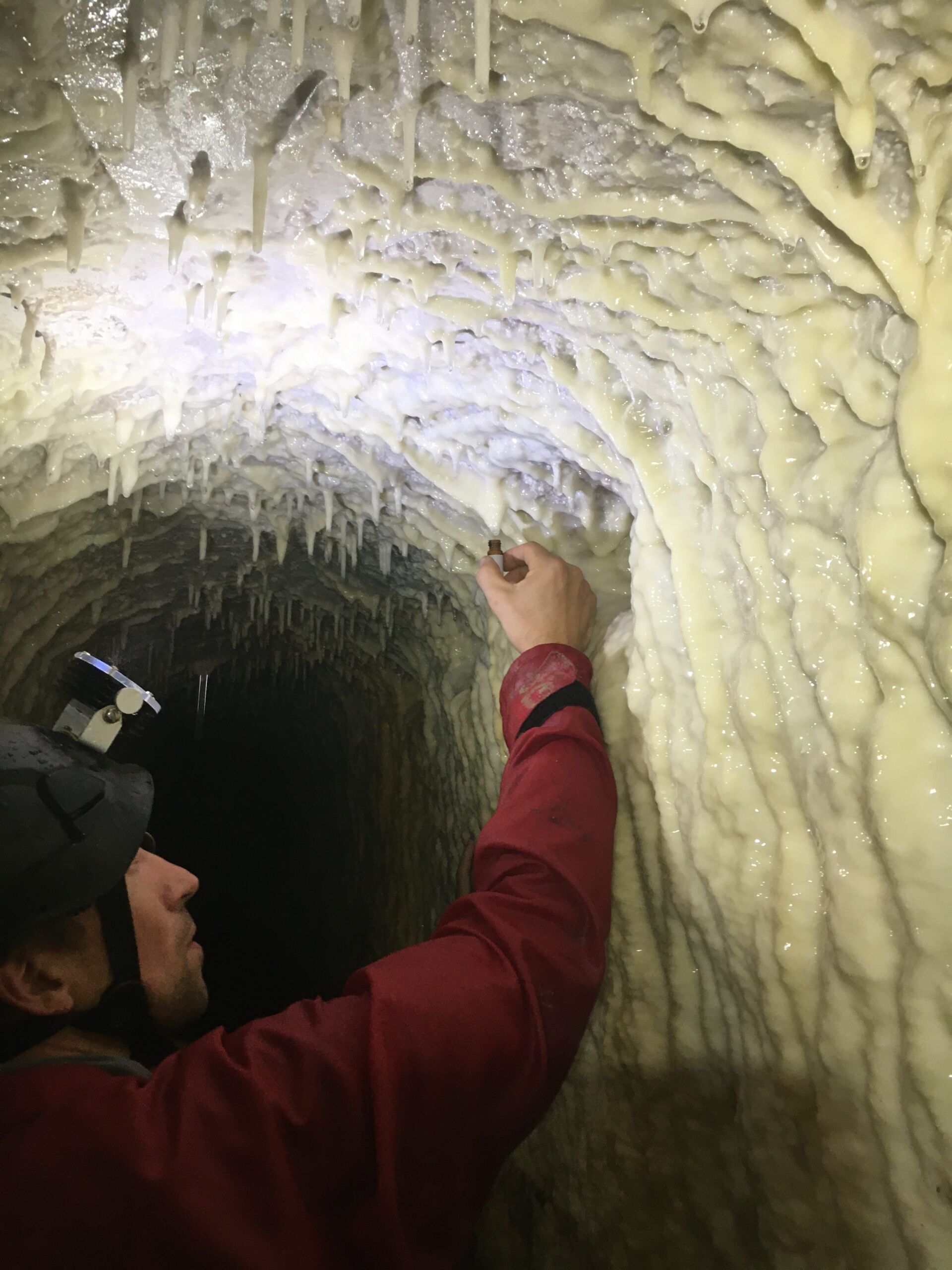
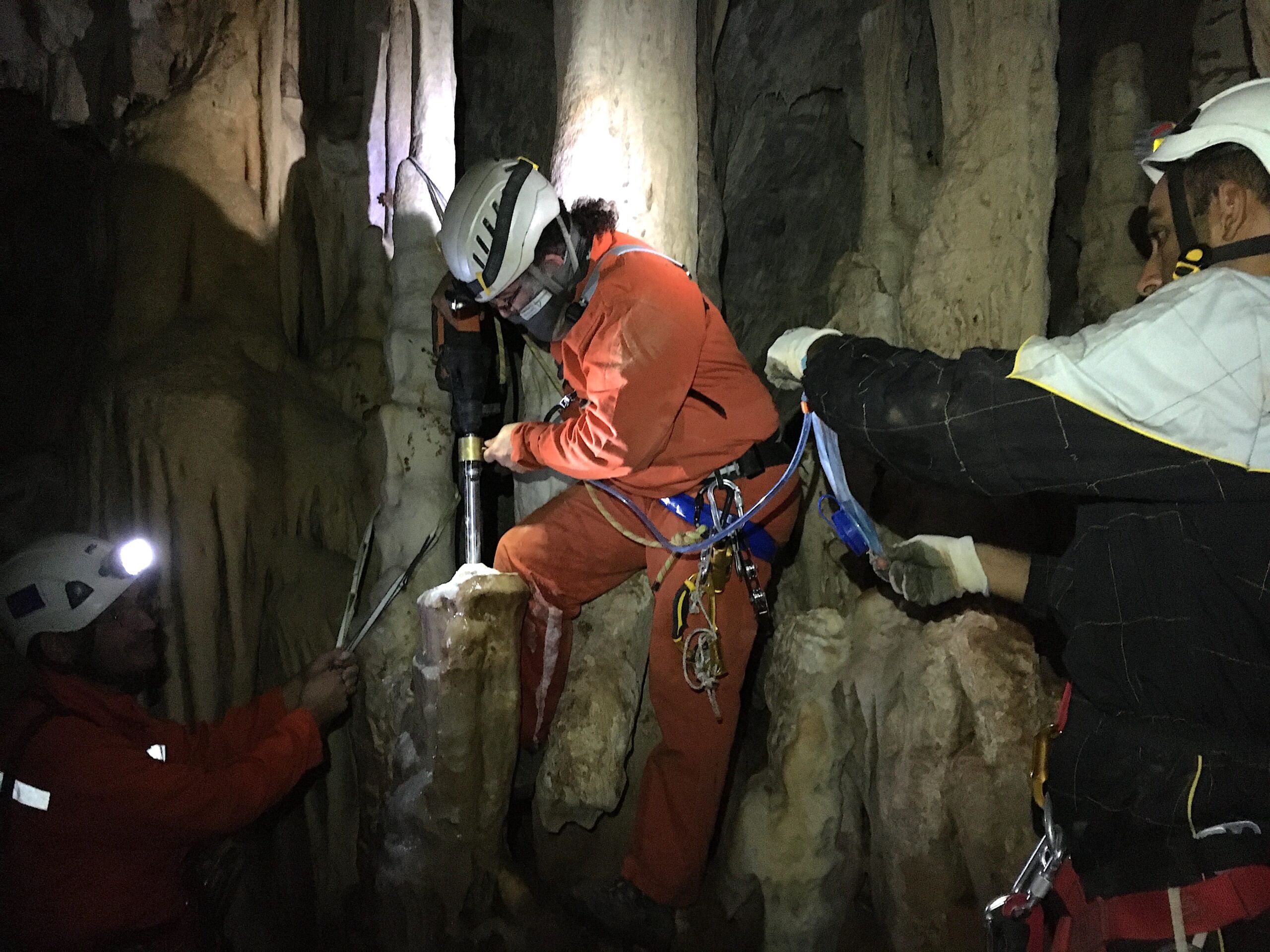
In collaboration with Cypriot cavers, and under the authorization of the Cyprus Geological Survey Department, many speleothems were collected in the tunnels of Amiandos, Qanats and Natural caves. Some of the stalagmites, analyzed in KIT in collaboration with Dr. Tobias Kluge, revealed fluctuations of the climate in Cyprus between drought and humid periods, during the last 900 years. The latest results show that the 15th and 19th centuries were exceptionally dry compared to more humid conditions during the 16th and 17th centuries. However, the 19th century was exceptionally dry in the island. Historical data on famine, outcrops shortages and disease outbreaks are being now compiled an analyzed to compare it with past climate variations from stalagmites and published tree-ring data.
Such an international project is a valuable contribution to the understanding of climate interference with land use and disease outbreaks in the Eastern Mediterranean region. The network of scientists involved will help produce a database, built initially from diverse archives and languages. A homogenization effort is essential to make the database exploitable for future research in human ecology.