Sustainability and Contribution
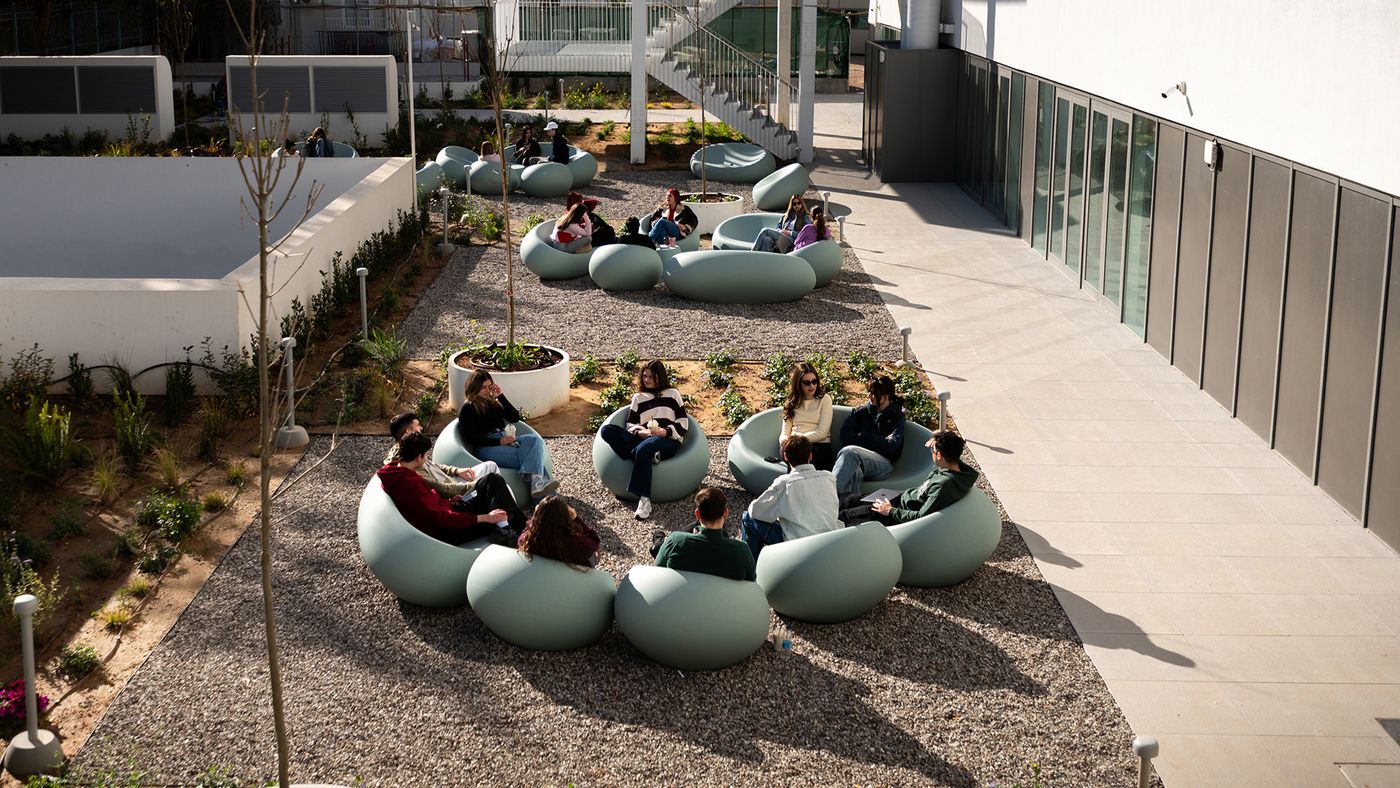
Sustainable Campus
As UNIC’s campus in Nicosia grows, the University builds it with sustainability in mind: better walking paths on and around campus, bicycle stands at new buildings, and additional pedestrian crossings agreed with the local authorities. When older buildings are renovated, technologies that support sustainable operation, such as automated lighting and insulated windows, are added where possible.
The University of Nicosia was the first university in Cyprus to sign the Talloires Declaration, composed in 1990 at an international conference on “The Role of Universities in Environmental Management and Sustainable Development”, held in Talloires, France. It was the first official statement by university leaders of a commitment to sustainability in higher education, with a ten-point action plan for environmental literacy and sustainability in teaching and practice.
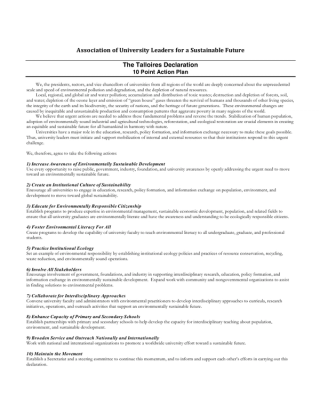
The University’s commitments are set out in its Environmental Policy.
A Safe, Pedestrian-Friendly Campus
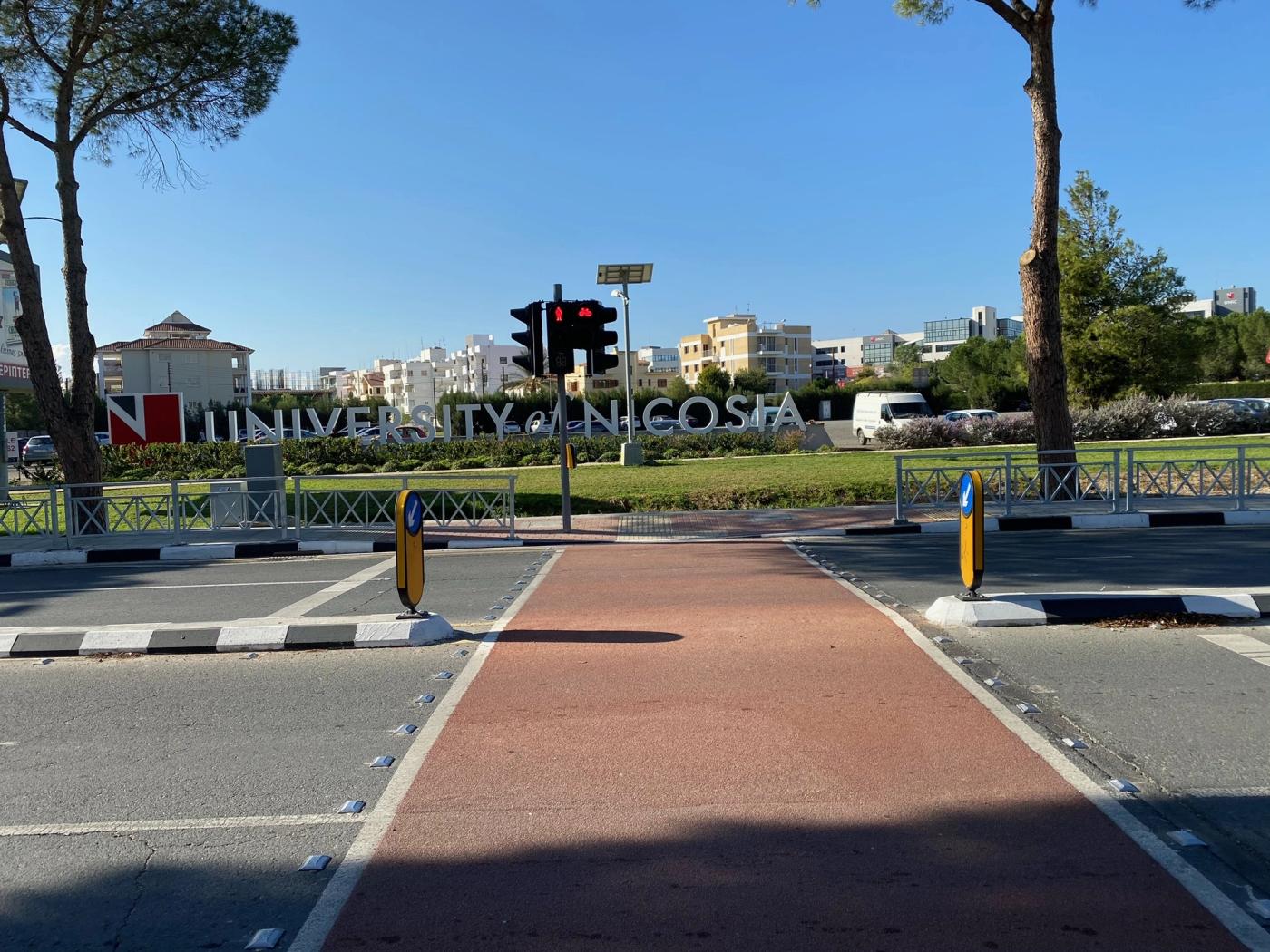
UNIC favours sustainable mobility on foot and by bicycle. Over the past few years it has worked with town planning and public works to add pedestrian crossings near the campus, opposite the main entrance and close to the UNIC Residences, and has built new pedestrian lanes on campus.
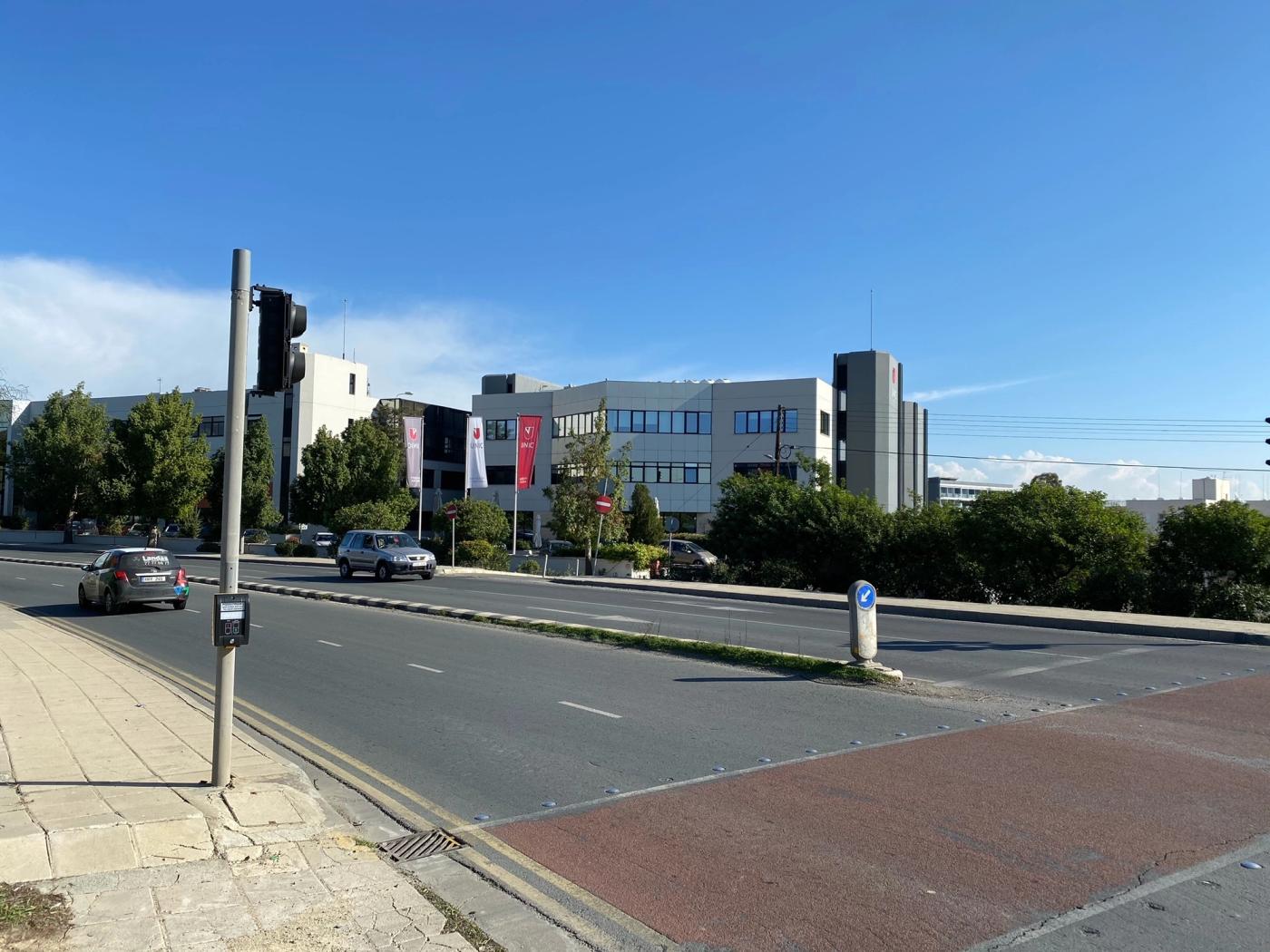
New residences on campus let students attend without needing a car at all, and the master plan keeps making the campus more walkable and accessible. The campus is part of the Nicosia bicycle path network, which since March 2017 has connected it with the other universities in the city, and most buildings and every residence have bicycle storage.
The University also worked with the city’s public bus organisation for a bus stop right outside the University, encourages car sharing among faculty, staff and students, and has a cycling society.
Planning with the Local Authorities
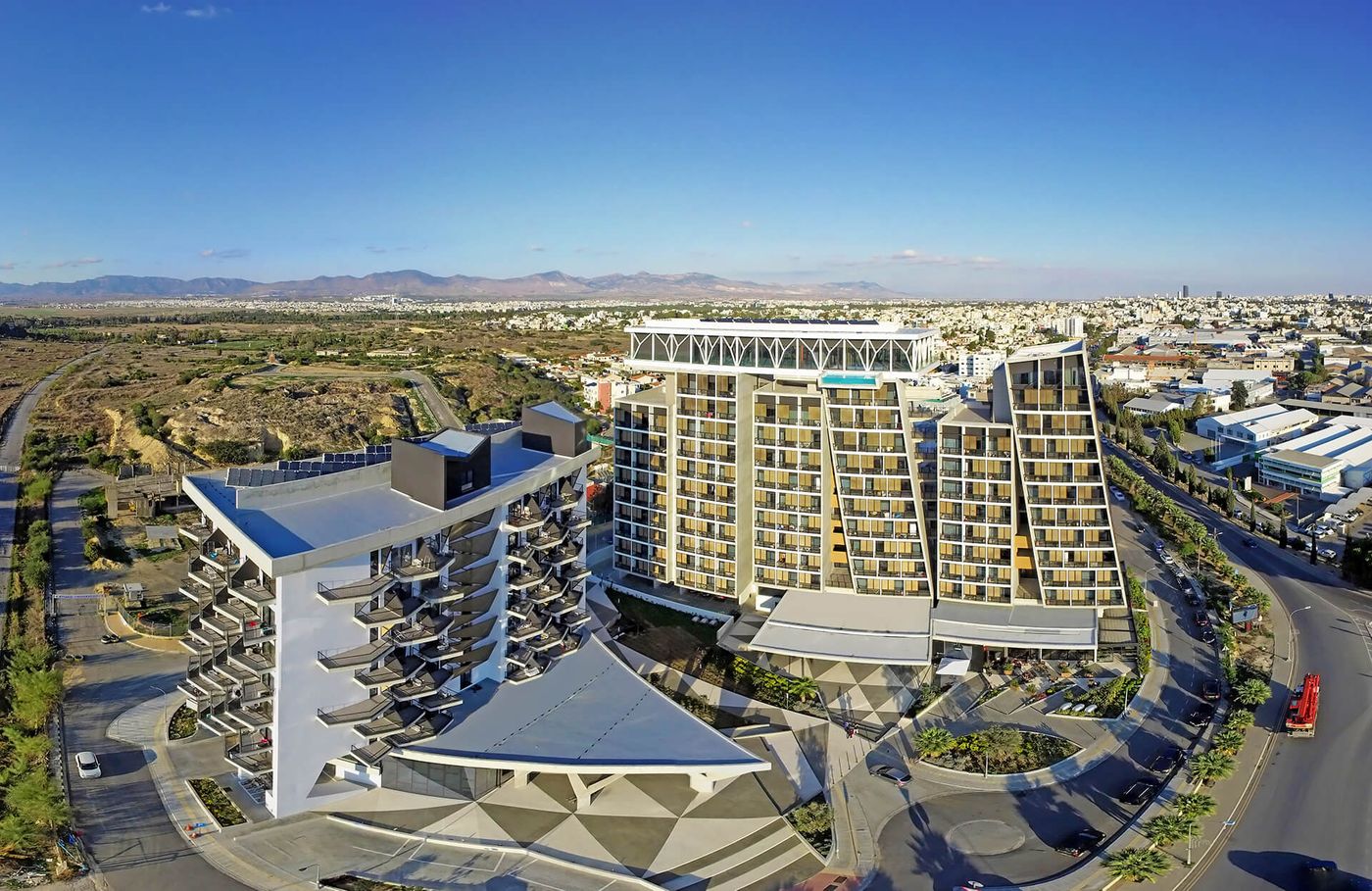
UNIC plans the campus with the local authorities, in line with the master plans and objectives of the town. It has prioritised development in a former industrial area so as not to compete with residential areas, and built the UNIC Residences in relatively abandoned areas next to the Cyprus buffer zone, where they act as a catalyst for areas that had been left behind.
The three student residences give students affordable housing and take pressure off the local rental market, leaving more homes for permanent residents.
Buildings to Sustainable Standards
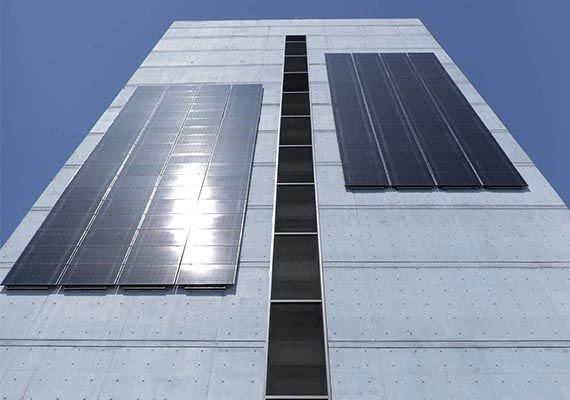
The SIX residence received the top “A” rating from the national energy efficiency bureau, for materials and technologies with high thermal performance. It has solar panels to heat water and photovoltaic panels to generate electricity.
Two of the residences are built on brownfield sites. SIX and Triangle border the buffer zone, an area the Republic of Cyprus considers under-developed and where it encourages development.
Energy Conservation
Over the past few years the University has put an energy conservation programme in place. It has installed:
- access control linked to the lighting in the amphitheatres
- low energy bulbs across the campus
- occupancy sensors in spaces such as the Library
- insulated windows and polycarbonate panels for natural light in several buildings
- occupancy sensors for the cafeteria air conditioning
- occupancy sensors in the toilets of several buildings
- access control at the entrances and high-risk workshops of the Medical School
Recycling
The University began its recycling programme in 2007 with high-quality office paper. It has grown to almost every grade of paper, and to packaging paper, toner, batteries, medical waste, glass and plastic.
Water Conservation
Cyprus faces some of the highest water stress in Europe, above all in years of drought, so water conservation matters to the University. Faculty and administration work together in the University’s Environmental Committee to cut its annual water use, with high-efficiency fixtures such as ultra-low flow urinals, drought-tolerant landscaping, watering early in the morning and in the evening, drip irrigation, and regular checks and repairs for leaks.
Greener Streets
The University has invested in the planting on and around the campus, to improve the neighbourhood and the walk to campus for students.
UNIC Athens
In Athens, UNIC Athens’s Phase 1 building in Elliniko is the first university building in Greece to be awarded LEED Gold certification. Environmental Sustainability at UNIC Athens