Sustainability and Contribution
Mentor
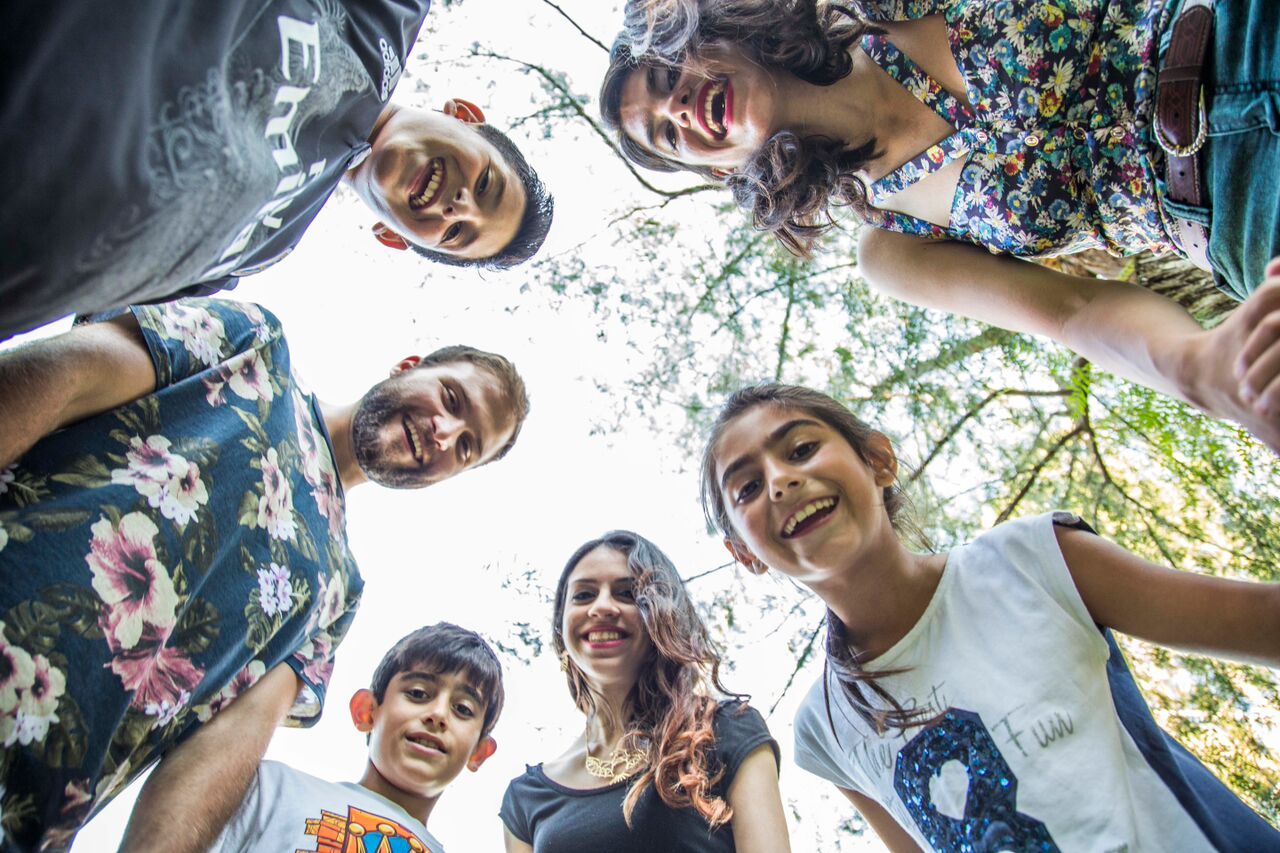
MENTOR was a structured community engagement programme at the University of Nicosia, serving both the University’s social outreach and the wider needs of society. It brought together children from underprivileged families with University students, who acted as mentors, gave the children personal care and served as role models.
The mentoring relationships helped protect the children from delinquent behaviour and improved their chances of personal and professional success. The mentors met some of the country’s most critical social problems first hand, and with them the social responsibility they would carry into their working lives. The programme ran under the auspices of the Cyprus Commissioner for Children’s Rights and was approved by the Cyprus Antidrug Council as a prevention programme for children from vulnerable groups.
Its name comes from the ancient Greek word mentor: an elder who offers guidance, help and spiritual guidance to someone younger.
How the Programme Worked
Mentor followed a coaching model shared with comparable programmes abroad. It had a pyramid-like structure: a head office at the University of Nicosia, branching into neighbourhoods around Cyprus through established municipal and community organisations. The programme’s manager led a team of coordinators, who supervised the mentors.
For one academic year, each child had the experience of a positive and supportive relationship. Mentors met their mentees individually twice a week, two hours at a time, at the child’s home, on campus, or in libraries, museums and other places, doing homework, playing computer games or football, going to the cinema or on nature walks. Coordinators gave guidance and suggestions throughout.
The mentees were mostly children from disadvantaged socio-economic backgrounds, some with educational, emotional or behavioural difficulties, and children whose parents faced economic or other social difficulties. The programme set out to:
- enrich the lives of children from underprivileged backgrounds through caring mentoring relationships
- help them improve their academic performance, with positive role models
- give University students first-hand experience of some of the country’s most pressing social problems
- promote tolerance and understanding between different parts of society through joint activities
- promote volunteering and social responsibility among University students
The Mentors
Students from every field of study could take part, as volunteers or as the practicum of their degree; the programme also helped some meet the requirements of the financial aid they received. It was particularly popular with students of Psychology, Social Work and Education.
History
The programme began in 1974 as PERACH (an acronym for tutoring project in Hebrew, which also means “flower”), when a handful of students from the Weizmann Institute of Science tutored children in need. PERACH has since grown into an organisation present in more than 25 countries.
In Cyprus the programme was set up as Mentor in close cooperation with PERACH, under the auspices of the Commissioner for the Protection of Children’s Rights, then Ms Leda Koursoumba, and with the Social Welfare Services, the Federal Foundation of Parents of Elementary School Children of Nicosia Schools, the Pool of Trainers of the Cyprus Youth Council and the Pancyprian Coordinating Council for Volunteers. In 2016 the Antidrug Council of Cyprus approved it as a prevention programme for children from vulnerable groups.