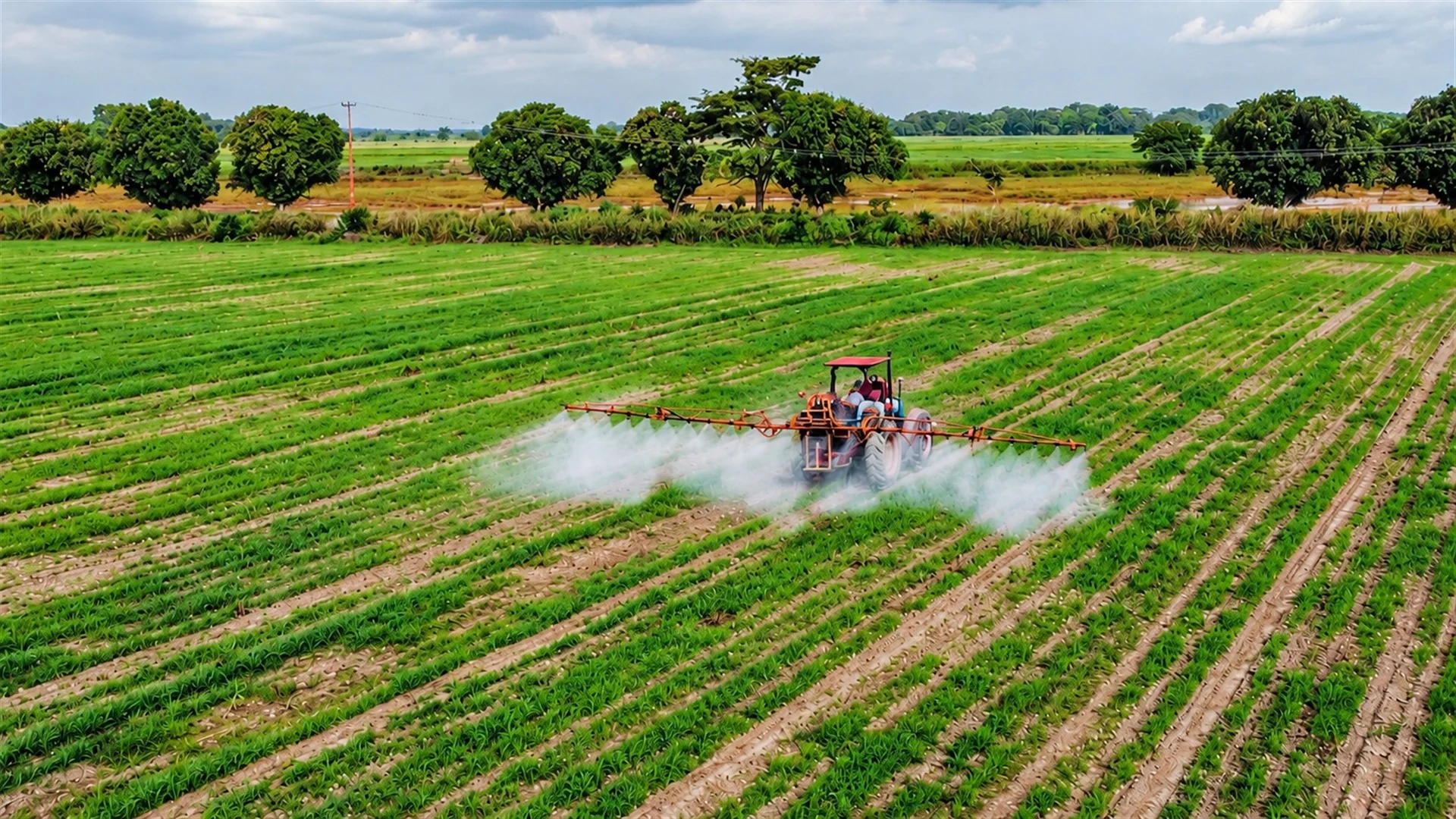
UNIC Environmental Health Research Centre Researcher Joins International Call to Protect Europe’s Pesticide Safety Standards
Professor Edna N. Yamasaki is among the signatories of an international scientific statement urging European policymakers to maintain safeguards against pesticide-related health risks
Professor Edna N. Yamasaki, of the University of Nicosia’s Environmental Health Research Centre and the Department of Health Sciences, has joined epidemiologists, medical doctors and public health scientists from around the world in signing an open letter raising concerns about proposed changes to European pesticide regulation.
The statement, entitled “Europe’s Pesticide Safety Standards Are Under Threat: An Open Letter to European Policymakers”, has been endorsed by the Executive Council of the International Society for Environmental Epidemiology (ISEE) and published on the Society’s website. It brings an epidemiological and public health perspective to the debate surrounding the proposed Food and Feed Safety Simplification Omnibus, also known as the “Pesticide Omnibus”.
The signatories warn that the proposal would allow many pesticide substances to receive unlimited approval without periodic reassessment of their toxicity. They also stress that regular reviews are essential to ensure that regulatory decisions reflect emerging scientific evidence about risks to human health and the environment.
The statement highlights research on the neurodevelopmental effects of pesticide exposure during pregnancy and childhood, alongside associations between exposure in adulthood and reproductive, cardiovascular and neurological health outcomes. It emphasises the need to protect pregnant women, children, workers and other vulnerable groups, warning that administrative simplification should not compromise public health safeguards.
The signatories call on European policymakers to:
- Pause negotiations until an independent body has completed a comprehensive impact assessment.
- Reject unlimited pesticide approvals that would weaken food and feed safety standards.
- Regularly reassess pesticides and their risks as new, high-quality scientific evidence becomes available.
- Thoroughly evaluate new pesticides before their introduction and continue monitoring their safety after approval.
Professor Yamasaki is listed as a signatory with her affiliation to the Centre and the Department of Health Sciences. The Centre’s work is guided by the principles of One Health, recognising the close connections between human health, biodiversity and the environment.
Read the full scientific statement on Europe’s pesticide safety standards (PDF).