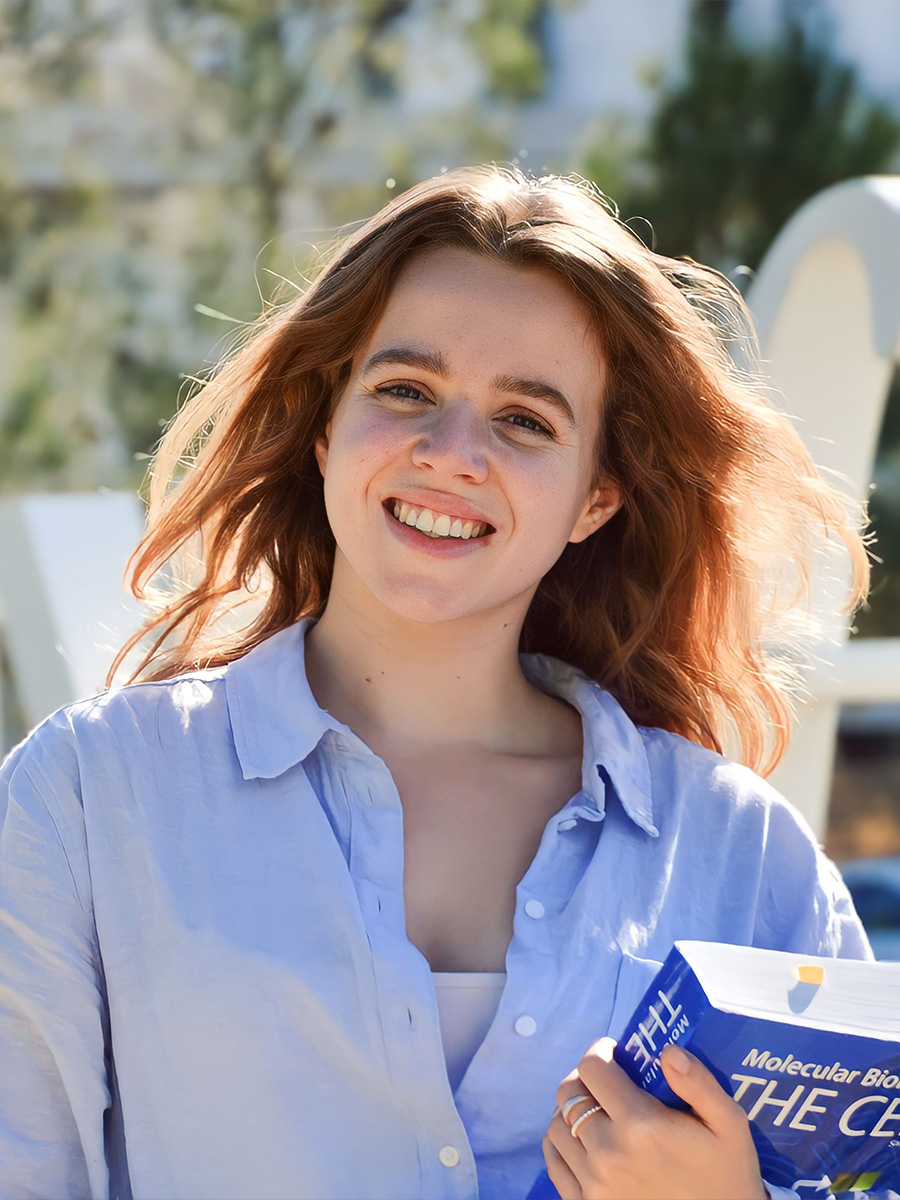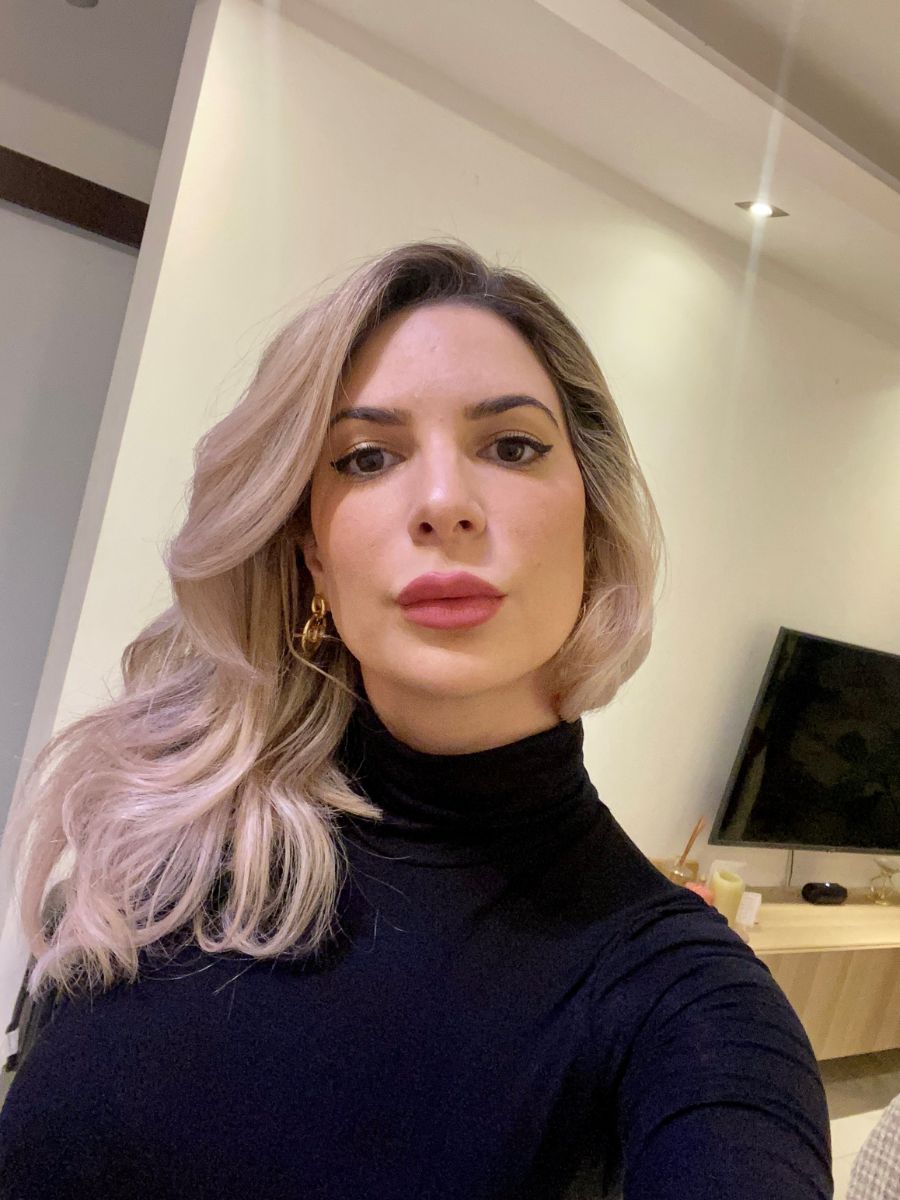

Rima Alghanim
MSc in Blockchain and Digital Currency, Class of 2026
Saudi Arabia
I do recommend it, especially to professionals who sense that digital assets are becoming part of their industry's core infrastructure. If your work touches on money, this degree will change how you see where money is going.
I have spent more than nine years building digital products in Saudi Arabia, across telecom, banking, and fintech. Most of that work had a common thread: taking something heavily regulated and turning it into a product people can use.
Blockchain found me twice. The first time was an article about Bitcoin. I tried to invest and could not get through the KYC, and I did not understand how to do it without a middleman. The irony of needing an intermediary to access a system built to remove intermediaries stayed with me. In 2020, when NFTs were booming, I got curious again. I joined communities and read everything I could, but I always felt I needed a reliable source to make sense of it all.
That search for a reliable source led me to UNIC’s free MOOC on Blockchain and Digital Assets, and the MOOC sold me on the MSc in Blockchain and Digital Currency programme. The MSc was exactly what I needed: structured, credible, and full of people I could discuss the same topics with. The distance learning format meant I could study seriously while continuing my career in Riyadh. Receiving a merit-based partial scholarship settled the decision.
During my MSc studies at UNIC, I moved from traditional banking into Web3 itself. Today I am the product lead at a digital asset custody and tokenization infrastructure company in Saudi Arabia, leading product strategy for institutional custody and real estate tokenization. I also consult for fintech ventures on product strategy and web 3, and I write publicly about institutional adoption of digital assets in the GCC.
The MSc in Blockchain and Digital Currency programme gave me two things, especially in a field that requires developer or builder experience, not business. First, credibility with banks, regulators, and founders. Second, judgment: a framework for separating durable infrastructure from hype, which is the core skill of a product leader in this space. In 2025, that combination helped my team take second place at the NextGen Web3 hackathon in Riyadh.
Distance learning gives you huge flexibility around time, but the live sessions are where the experience comes alive: interacting with lecturers, thinking out loud, and debating opinions with fellow students from around the world. The content is also genuinely up to date, especially on how regulation is evolving globally, which matters in a field that changes this fast.