
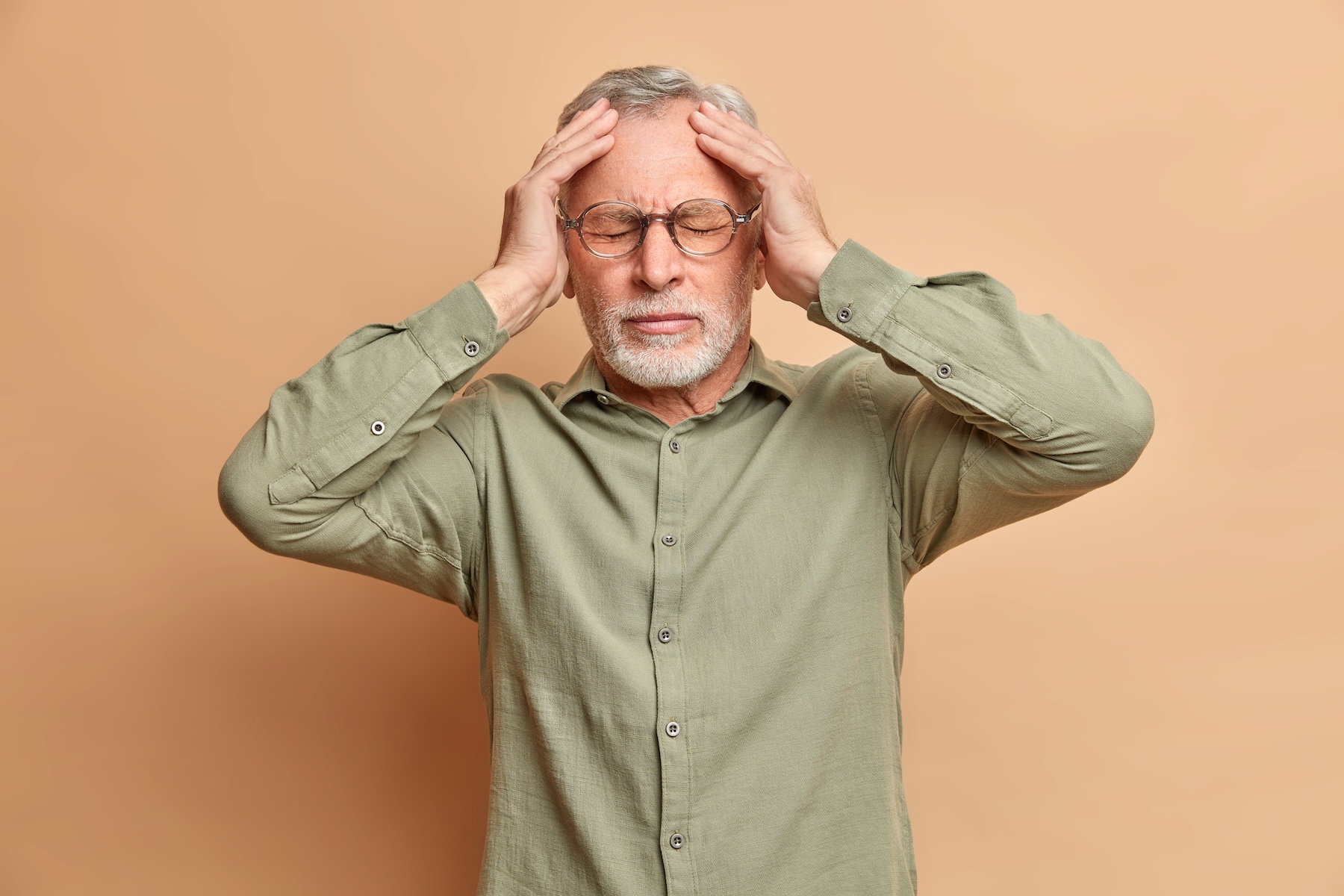
Most headaches are not serious, benign conditions, and often resolve on their own with rest or over-the-counter pain relievers
How you can ease headaches yourself
Headaches can last between 30 minutes and several hours.
| DO | DON’T |
|---|---|
| drink plenty of water | drink alcohol |
| get plenty of rest if you have a cold or the flu | skip meals (even if you might not feel like eating anything) |
| try to relax, stress can make headaches worse | sleep more than you usually would, it can make the headache worse |
| exercise when you can | strain your eyes for a long time, for example, by looking at a screen |
| take paracetamol or ibuprofen |
See your personal doctor if:
- your headache keeps coming back
- painkillers don’t help and your headache gets worse
- you have a bad throbbing pain at the front or side of your head, this could be a migraine or, more rarely, a cluster headache
- you feel sick, vomit and find light or noise painful
- you get other symptoms, for example, your arms or legs feel numb or weak
See your personal doctor urgently if you have a severe headache and:
- your jaw hurts when eating
- blurred or double vision
- your scalp feels sore
These could be signs that the arteries in your head and neck are inflamed. This needs urgent treatment.
Call 112, or go to your nearest A&E if:
- you injured your head badly, for example, from a fall or accident
- your headache came on suddenly and is extremely painful
You have an extremely painful headache and:
- sudden problems speaking or remembering things
- loss of vision
- you’re feeling drowsy or confused
- you have a very high temperature, feel hot and shivery, and have a stiff neck or a rash
- the white part of your eye is red
What can cause headaches
The most common reasons are:
- having a cold or the flu
- stress
- drinking too much alcohol
- bad posture
- eyesight problems
- not eating regular meals
- not drinking enough fluids (dehydration)
- taking too many painkillers
- menstruation or menopause