
InSSTER
About
Mission Statement
The Innovative STS (Science, Society, Technology) Education Research Centre (InSSTER) is a multidisciplinary research centre consisting of researchers from different disciplines within the field of education. Faculty members and researchers from the Department of Education at the University of Nicosia have joined forces in the fields of inclusive research education, with links to science, society and technology with an emphasis on innovative and inclusive practices, entrepreneurship through dialogue and argumentation, science education, technology education and school development. The Centre was officially approved by the University Senate and Council in January 2023.
Vision
InSSTER promotes research in education focusing on innovative and inclusive practices in Science, Society, Technology education. This involves transforming schools to cater to all children, including marginalised groups, aiming to eliminate exclusion. It also emphasises cultivating skills for global problem-solving, ensuring inclusive education, and addressing gender equality in digital skills. InSSTER aligns with the Digital Education Action Plan for comprehensive and high-quality digital instruction and training (European Commission, 2020).
Objectives
- 1 Conduct state-of-the-art research under the umbrella of innovative and inclusive education with links to science, society and technology;
- 2Participate in competitive EU calls and receive external funding for projects
- 3Establish a national and international network with relevant, researchers, schools, and policy makers;
- 4Engage with society on issues related to inclusive science and technology education, and
- 5Offer continuous training on skills, methodologies and technologies to its members and beyond.
Funded Research
The members of InSSTER are involved in funded research under the umbrella of Innovative and Inclusive education with links to science, society and technology. Some indicative topics include the following:
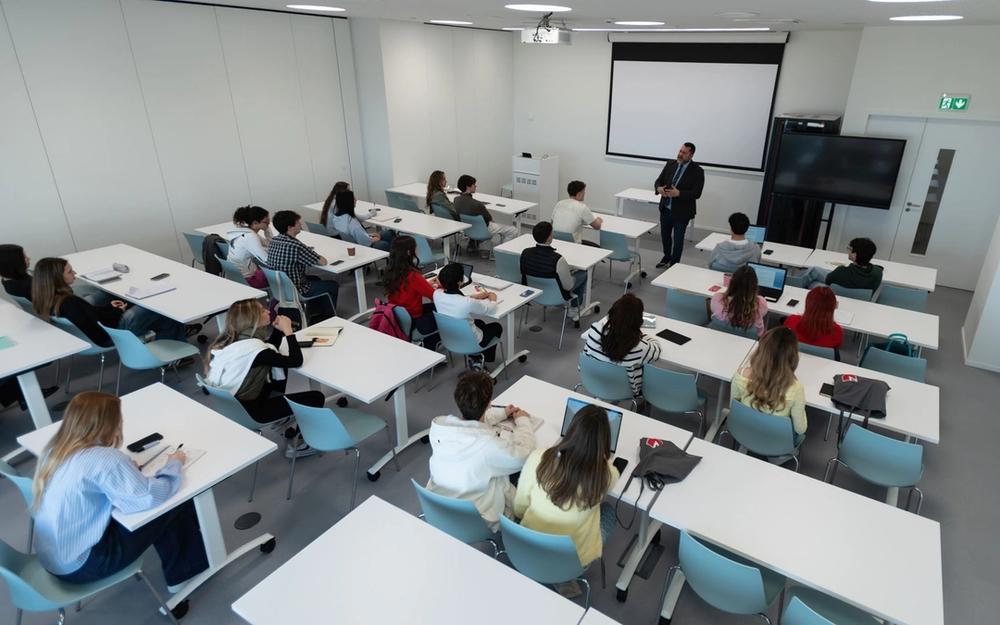
Preparing pre-service teachers to acquire skills and competences related to Science, Society, Technology
(i.e. STEMKey project, UNITY project, OnlineHE project, DigiLead project, InclusiveHE project, DD@S project, SciLMi Academy)
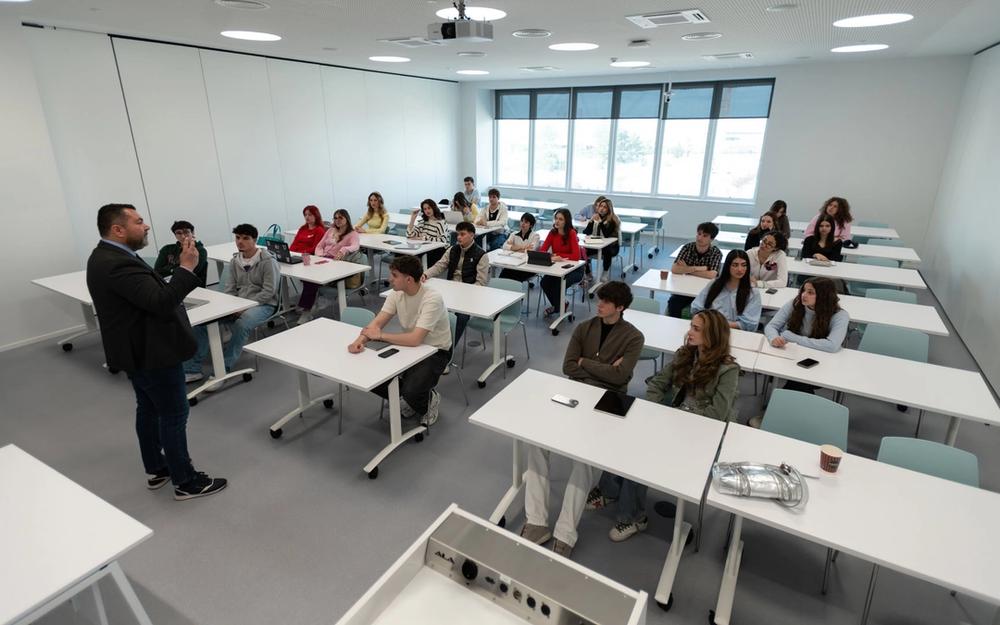
Working with students from under-represented populations (i.e. girls, migrants, students with disabilities) to strengthen their participation and inclusion in STEM fields
(i.e. STEMKey project, UNITY project, OnlineHE project, DigiLead project, InclusiveHE project, DD@S project, SciLMi Academy)
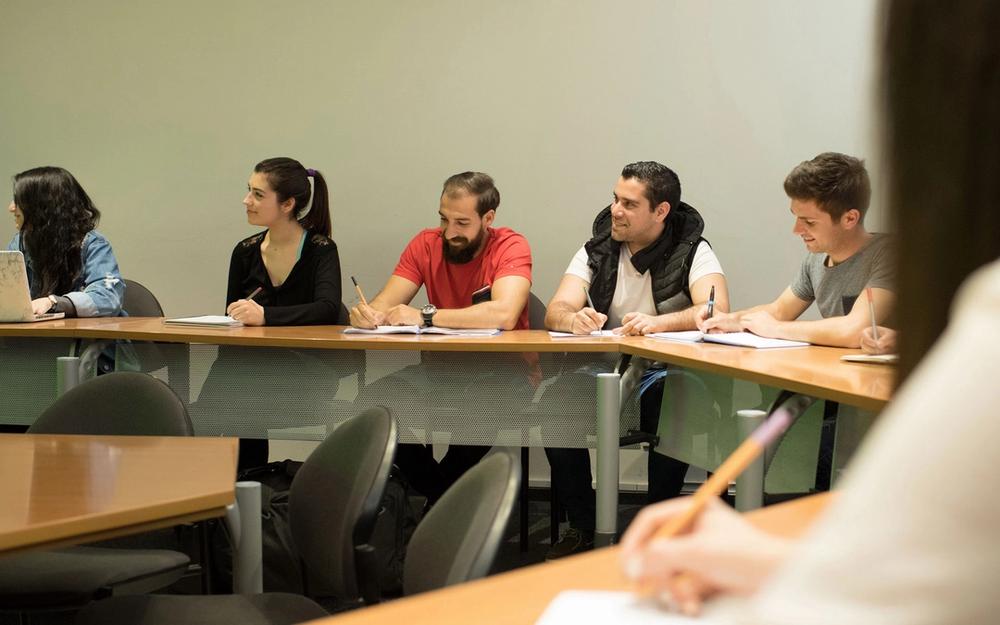
Using dialogue and argumentation as tools to promote STS competences and provide inclusive access to education to all students
(i.e. DIALLS project, ENGAGE project, UNITY project)
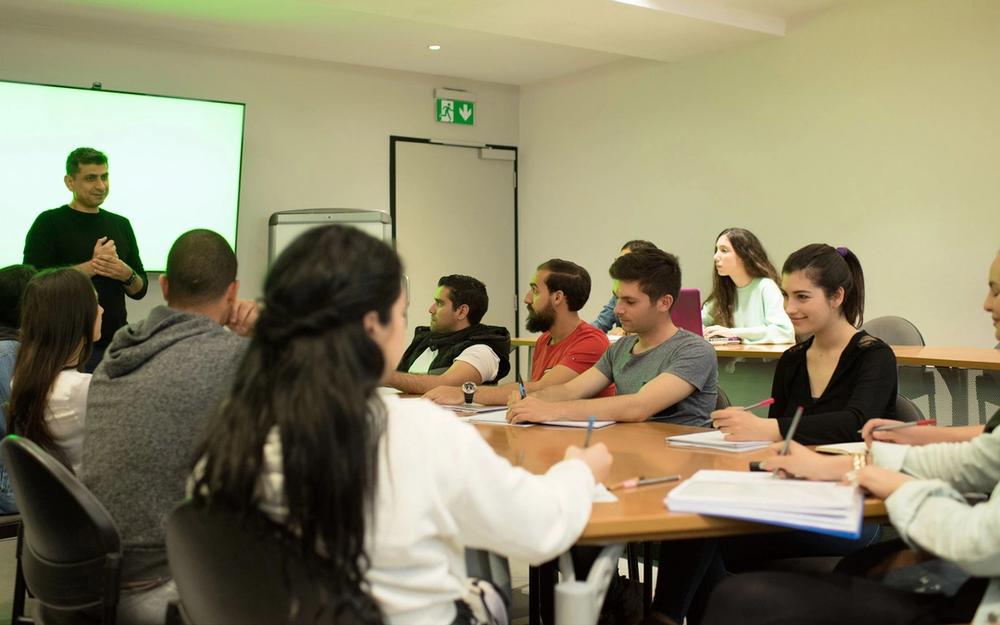
Creating networks of support to provide 21st century skills to STEM teachers
(i.e. ProSTEM project)
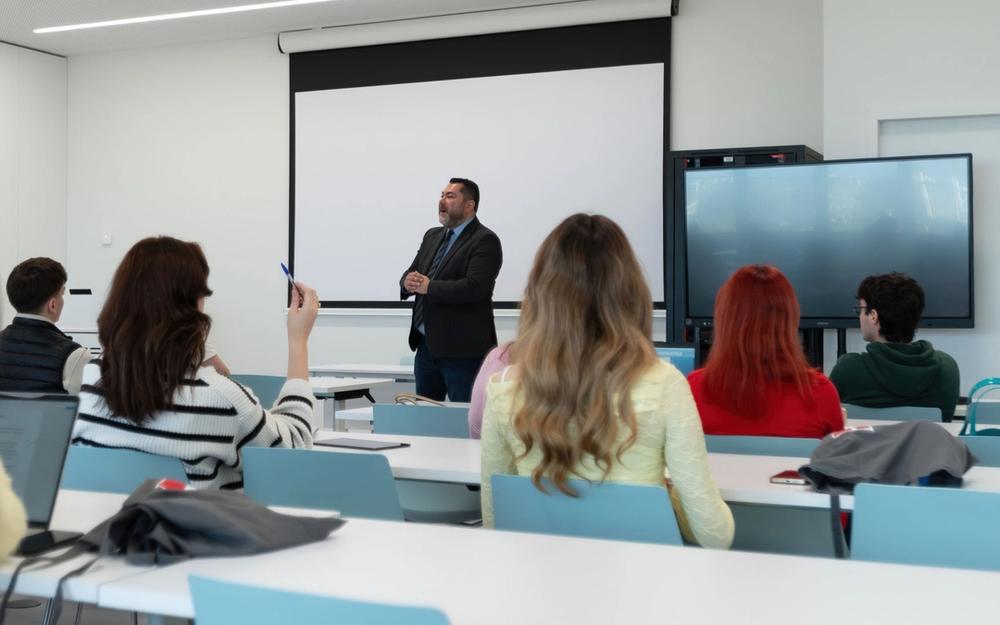
Prepare teachers to introduce controversial socio-scientific issues in their classes and navigate discussions on fake news and uncertainties related to changes in science, technology and society
(i.e. ENSITE, DIALLS, ProSTEM, ENGAGE, NBS Academy)
Create learning environments to support primary school students and teachers to develop argumentation skills, understand the role of evidence, and develop decision-making skills
(i.e. ENSITE, DIALLS, GEM, DD@S)

Supporting students with learning difficulties
(i.e. UNITY project, INCLUSIVE HE)
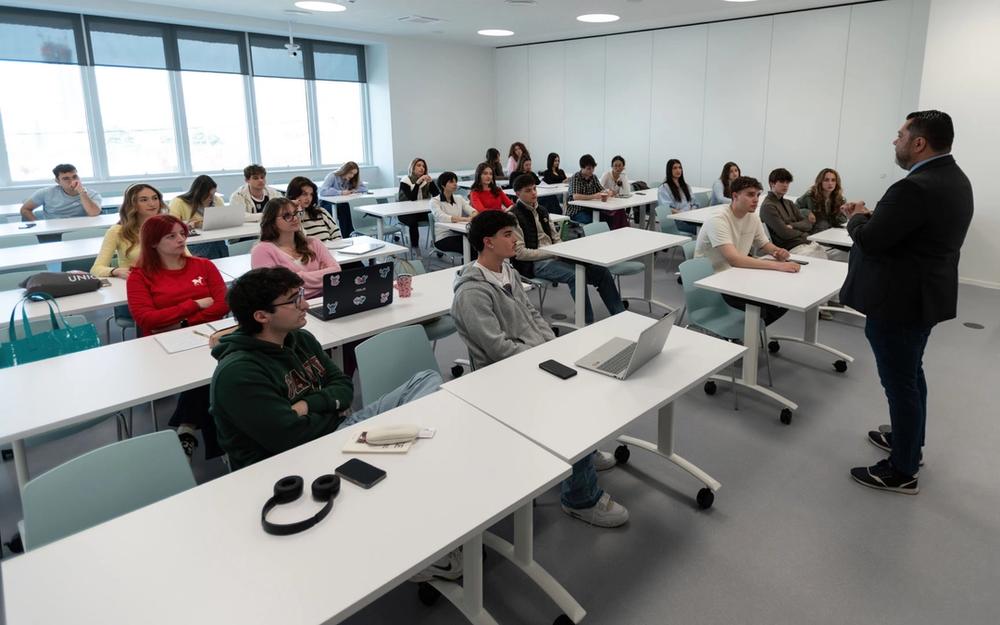
Exploring the role of teachers in the process of inclusive STS education
(i.e. IncluSMe, UNITY project)
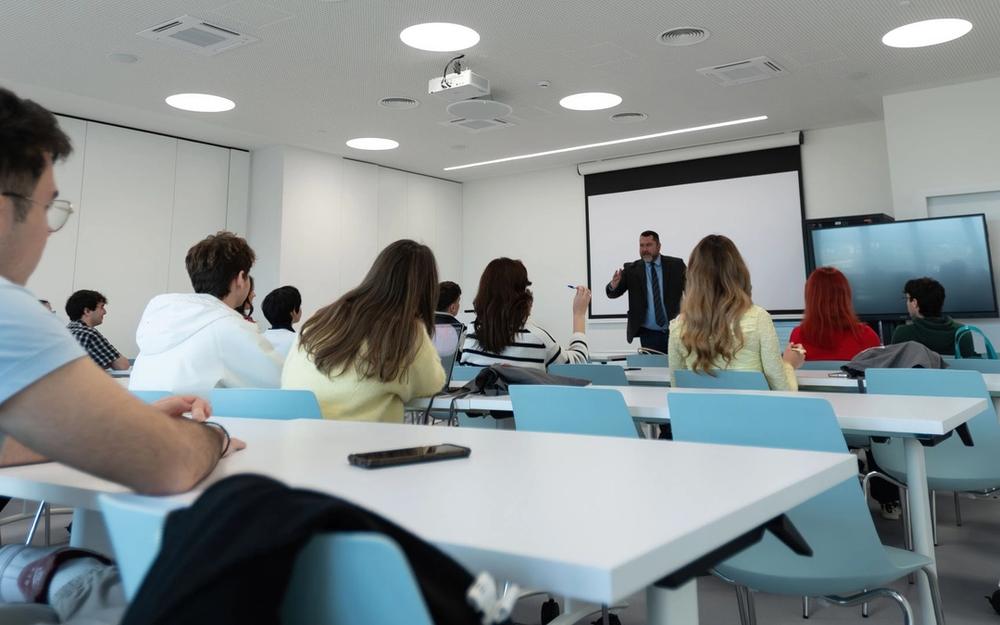
Promote and strengthen knowledge and acceptance of diversity in society
(i.e. DIALLS, IncluSMe, UNITY project, DRONE)

Create evidence-based best practices in the area of inclusion of people with disabilities into education and the labour market
(i.e UNITY project)
Supporting the business sector for employing people with disabilities by creating special tools for working and engaging with people with disabilities at the workplace
(i.e UNITY project)
Building capacities (competences and skills) of professionals involved in education and training of adults with disabilities
(i.e UNITY project)
Foster quality improvements and excellence in innovation at the cross-sectoral level through enhanced transnational cooperation between educational institutions dealing with adult education and business sector (employers)
(i.e UNITY project)
Build the capacities of HE institutions and their staff, to integrate Virtual and Augmented Reality in teaching and learning, targeting key EU priorities
(i.e. VRinHE project)
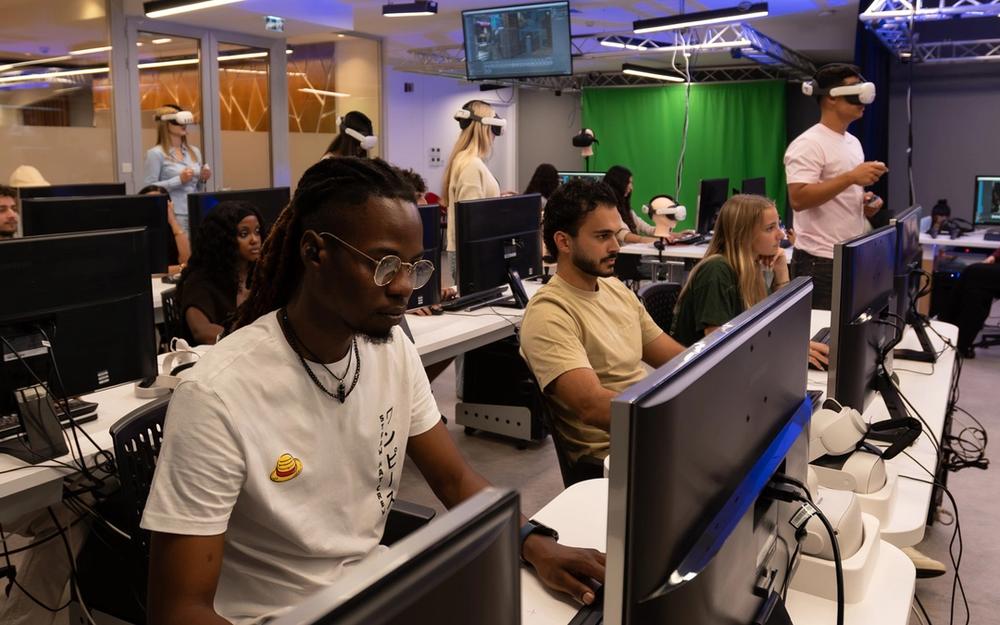
Foster university learners’ digital 21st century skills through emerging technologies
(i.e VRinHE project)
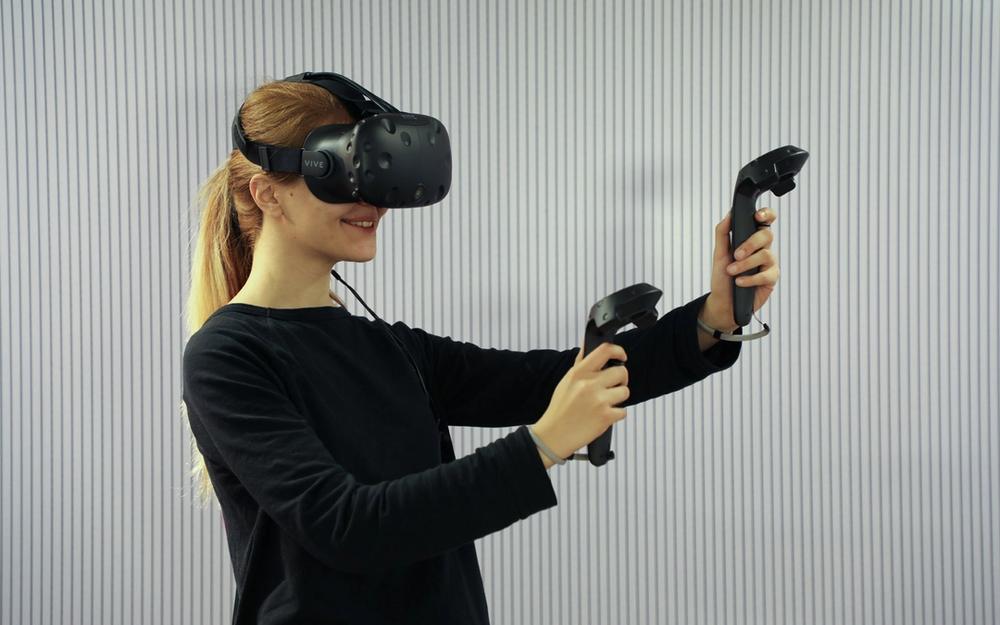
Boost Virtual Reality Learning within Higher Business Management Education
(i.e VRnSight project)
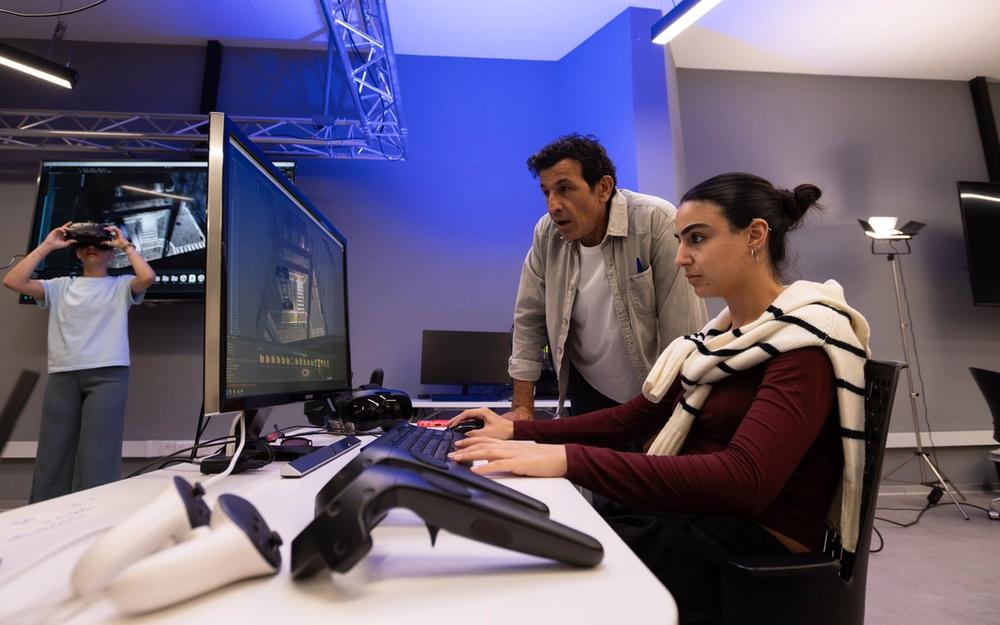
Addressing digital transformation through development of digital readiness, resilience and capacity
(i.e. VRinHE project)
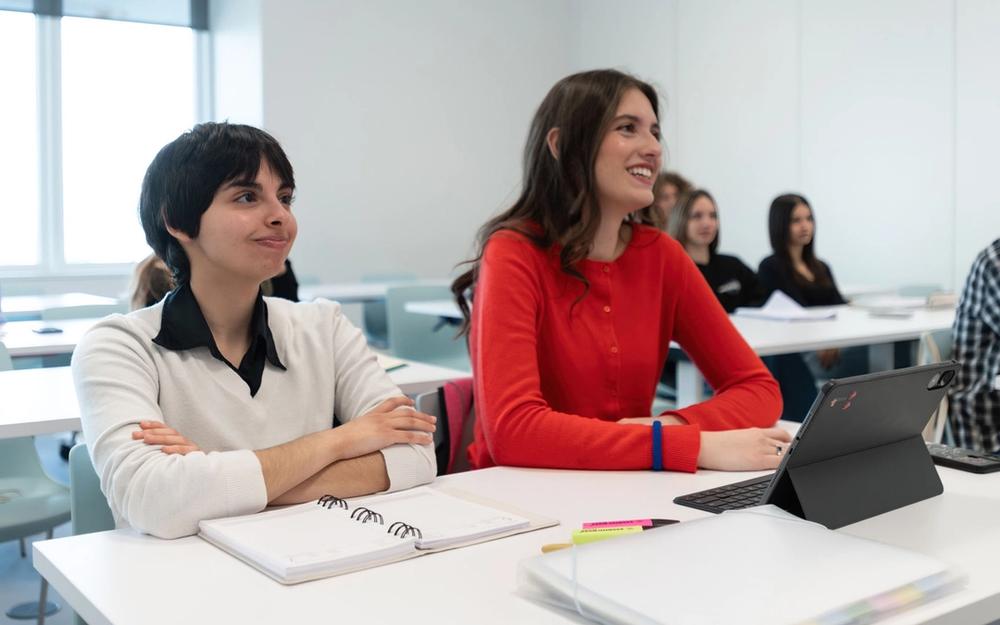
Supporting digital capabilities of the higher education sector
(i.e. VRinHE project)
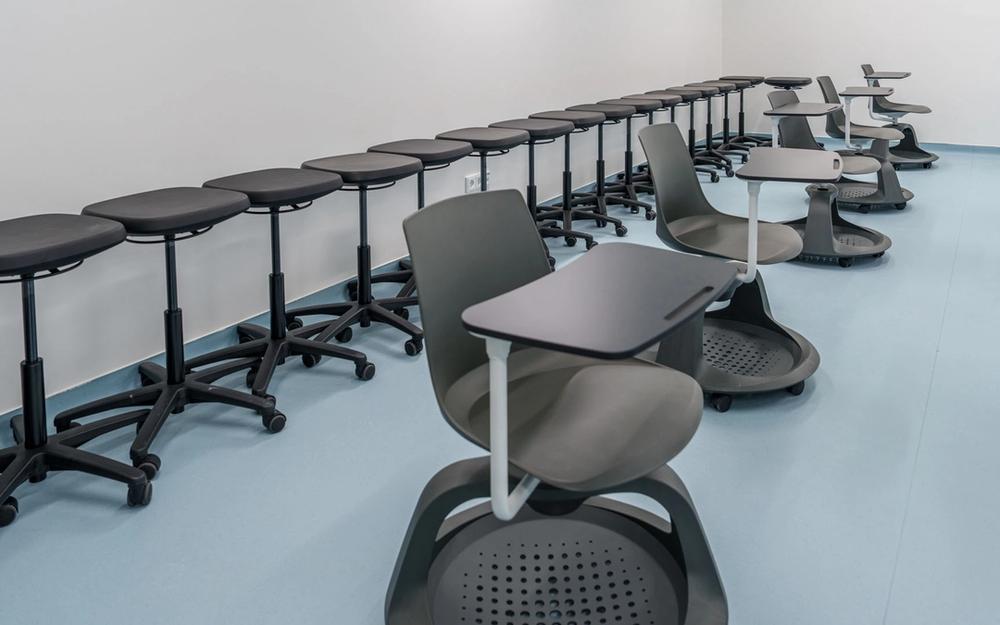
Stimulating innovative learning and teaching practices
(i.e. VRinHE project, ONLINEHE project, UP-STEAM)
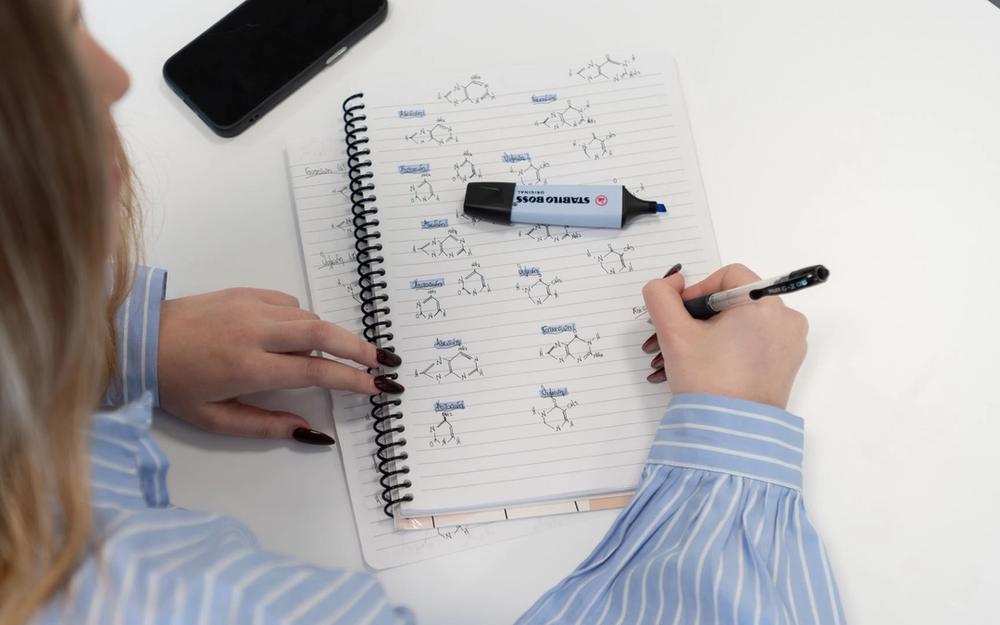
Develop a practical toolkit for integrating elearning in Higher Education Curricula
(i.e. ONLINEHE project, NBS Academy)
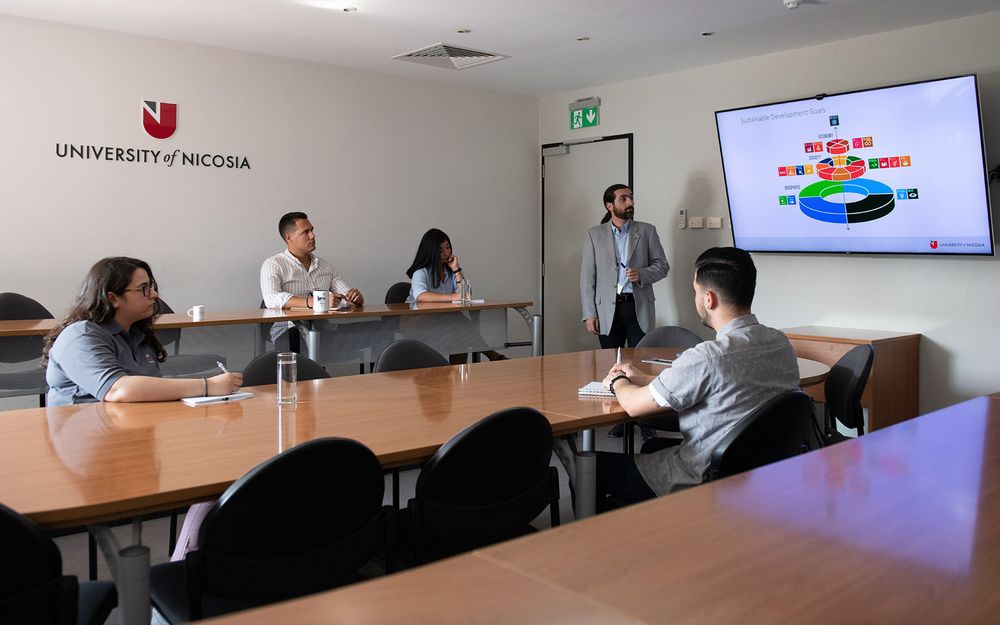
Build the capacity of HE teaching staff, academics, learning designers, and teaching staff in integrating eLearning in the design and delivery of courses
(i.e. ONLINEHE project)

Develop innovative quality resources for HE faculty members to support the adoption of eLearning in higher education
(i.e. ONLINEHE project)
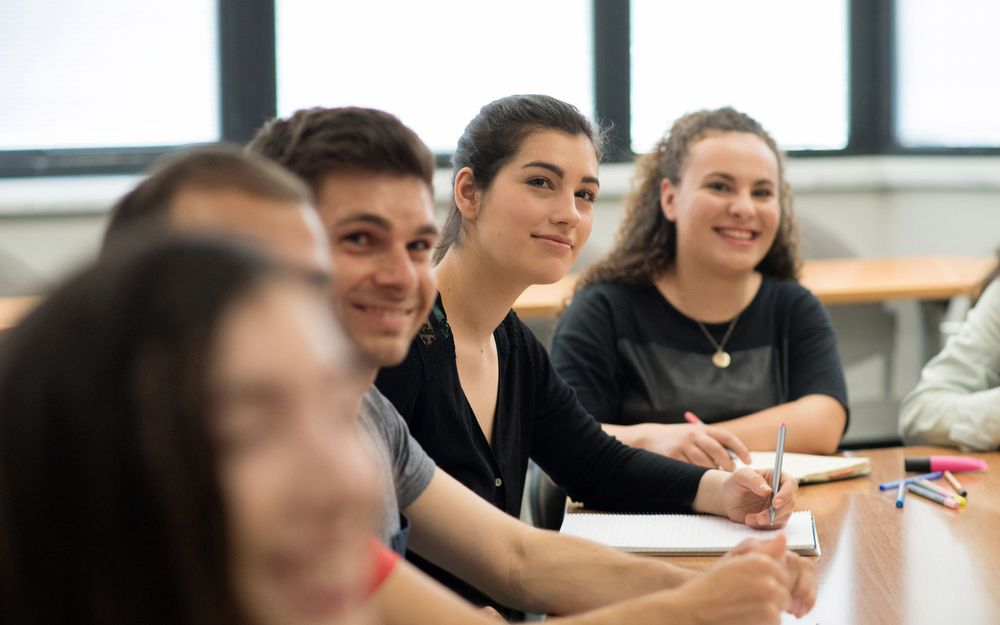
Raise awareness on the need and value to integrate eLearning in HE in close cooperation with all stakeholders involved, including policy makers
(i.e. ONLINEHE project)

Improve the supply of quality higher education opportunities for all
(i.e. ONLINEHE project)

Strengthen European secondary school teachers in dealing with controversy and intolerance at school by developing a gamification based online training in dialogue and argumentation
(i.e. DD@S project)

Improve competencies for school leadership teams, teachers and school staff to develop digital transformation strategies
(i.e. EUVHS project, Digilead project)