
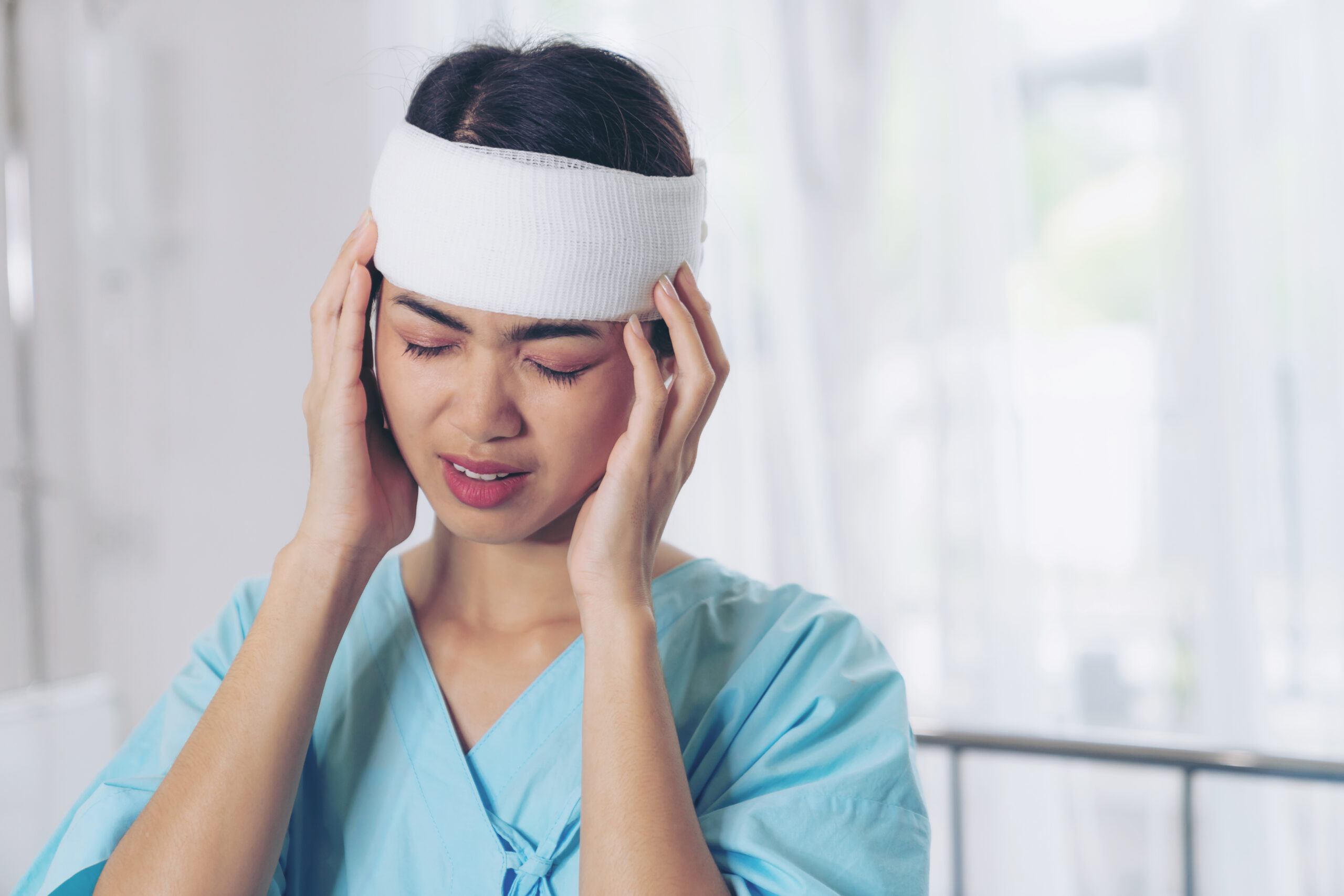
Go to the Emergency Department after a head injury if you:
- have been knocked out but have now woken up
- have been vomiting since the injury
- have a headache that doesn’t go away with painkillers
- have noticed a change in behaviour, like being more irritable or problems with memory
- had been drinking alcohol or taking drugs just before the injury
- have a blood clotting disorder (like haemophilia) or take blood-thinners (like warfarin)
- had brain surgery in the past
Concussion symptoms usually start within a few hours or days, but they can sometimes be delayed for a period of days, or even up to 72 hours after the injury.
Call 112 if someone has hit their head and has:
- been knocked out and hasn’t woken up
- difficulty staying awake or keeping their eyes open
- a fit (seizure)
- problems with their vision
- clear fluid coming out from their ears or nose
- bleeding from their ears or bruising behind their ears
- numbness or weakness in part of their body
- problems with walking, balance, understanding, speaking or writing
- hit their head in a serious accident, such as a car crash
How to treat a minor head injury
If you don’t need to go to hospital, you can usually look after yourself or your child at home.
It is normal to have symptoms such as a slight headache, or feeling sick or dazed, for up to 2 weeks.
To help recovery:
| DO | DONT’S |
|---|---|
| hold an ice pack (or a bag of frozen vegetables) to the injury regularly for short periods in the first few days to bring down any swelling | go back to work or school until you’re feeling better |
| rest and avoid stress, you don’t need to stay awake if you’re tired | drive until you feel you’ve fully recovered |
| take paracetamol to relieve pain or a headache, don’t use ibuprofen or aspirin as they could cause bleeding | play contact sports for at least 3 weeks, children should avoid rough play for a few days |
| make sure an adult stays with you for at least the first 24 hours, call 112 for advice if no one can stay with you | take drugs or drink alcohol until you’re feeling better |
| take sleeping pills while you’re recovering, unless a doctor advises you to |
See your Personal Doctor if:
- your symptoms last more than two weeks
- you’re not sure if it’s safe for you to drive or return to work, school or sports