School of Veterinary Medicine
Research
Research Priority Areas
The Research Priorities are set by the Dean of the School and the Head of Veterinary Medicine Department. The School of Veterinary Medicine espouses the One Health concept which emphasizes the relationship between the health of humans and animals within a healthy, sustainable environment and promotes the conduct of clinical, epidemiological, basic science and social science research.
The Research Priority Areas of the Department of Veterinary Medicine are as follows:
- Zoonotic Diseases
- Antimicrobial Resistance
- Veterinary Drug Discovery
- Food Safety and Food Adulteration
- Farm Animal Genetic Improvements
- Animal Nutrition
- Small animal Medicine and Diagnostic Imaging
- Laboratory Animal Science
- Comparative and Evolutionary Genetics
- Experimental Neuroscience and Brain Activity
Research Support Mechanisms
The faculty of the School of Veterinary Medicine of the University of Nicosia are supported by the University of Nicosia research support structures which include:
- The University Research Committee (URC)
- The Research Ethics Committee (REC) and
- The Research & Innovation Office (R&IO)
PhD Supervisors
The Faculty listed below are eligible to supervise PhD students, as per the regulations of The Cyprus Agency of Quality Assurance and Accreditation in Higher Education (CYQAA).
- Prof Zoe Polizopoulou
- Dr Andreas Monoyios
- Dr Eleni Gentekaki
- Dr Konstantinos Voskarides
- Dr Konstantinos V. Arsenopoulos
- Dr Manos Vlasiou
- Dr Nikolas Perentos
- Dr Sergi Olvera-Maneu
Publications
Selected Faculty Publications in Scopus-Indexed Journals
2024
- Suleiman, A. J., Mavrides, D. E., Maxamhud, S., Gentekaki, E. & Tsaousis, A. D. Presence of Cryptosporidium parvum in pre-washed vegetables from different supermarkets in South East England: A pilot study. Parasitology Research 123, 1-5 (2024). https://doi.org/10.1007/s00436-024-08250-w
- Carbajal, Annais & Serres-Corral, Paula & Olvera Maneu, Sergi & Lopez-Bejar, Manel. (2024). Non‐invasive measurement of glucocorticoids: The reptile perspective. Journal of Zoology. 323. https://doi.org/10.1111/jzo.13157. 10.1111/jzo.13157
- Varela-Martínez E, Luigi-Sierra MG, Guan D, López-Béjar M, Casas E, Olvera-Maneu S, Gardela J, Palomo MJ, Osuagwuh UI, Ohaneje UL, Mármol-Sánchez E, Amills M. The landscape of long noncoding RNA expression in the goat brain. J Dairy Sci. 2024 Jun;107(6):4075-4091. https://doi.org/10.3168/jds.2023-23966
- Georgiou AN, Voskarides K, Zanos P, Chatzittofis A. Investigating the shared genetic basis and causal relationships between mucosa-associated lymphoid tissue inflammation and psychiatric disorders. Front Psychiatry. 2024 Apr 29;15:1379922. https://doi.org/10.3389/fpsyt.2024.1379922
- Aykur M, Malatyalı E, Demirel F, Cömert-Koçak B, Gentekaki E, Tsaousis AD, Dogruman-Al F. Blastocystis: A Mysterious Member of the Gut Microbiome. Microorganisms. 2024 Feb 24;12(3):461. https://doi.org/10.3390/microorganisms12030461
- Mourelatou, Elena & Iosif, Elias & Galatou, Eleftheria & Sarigiannis, Yiannis & Vlasiou, Manos & Zacharia, Lefteris & Petrou, Christos. (2024). Application of artificial intelligence in pharmaceutical development. https://doi.org/10.1016/B978-0-323-91816-9.00009-6
- Carmona Flores, Lorena & Osorio Wallau, Marcelo & Cabrera, Catalina & Vyas, Diwakar. (2024). Evaluating the Impact of Orange Oil and Sunn Hemp Hay on Digestibility and Anthelmintic Efficacy in Texel Ewes. Small Ruminant Research. 236. 107296. https://doi.org/10.1016/j.smallrumres.2024.107296
- Stensvold CR, Andersen LO, Gentekaki E. Towards minimizing second-generation mis-identification of Blastocystis. Trends Parasitol. 2024 Aug;40(8):670-674. https://doi.org/10.1016/j.pt.2024.06.001
- Voskarides K. The Role of Selection and Migration in the Evolution of (Auto)Immunity Genes. J Mol Evol. 2024 Aug;92(4):359-362. https://doi.org/10.1007/s00239-024-10182-z
- Hurdeal VG, Longcore JE, Jones EBG, Hyde KD, Gentekaki E. Diversity of Rhizophydiales (Chytridiomycota) in Thailand: unveiling the hidden gems of the Kingdom. IMA Fungus. 2024 Jun 27;15(1):17. https://doi.org/10.1186/s43008-024-00144-x
- Jinatham V, Yowang A, Stensvold CR, Michalopoulou E, Vichasilp T, Suwannahitatorn P, Popluechai S, Tsaousis AD, Gentekaki E. Blastocystis colonization and associations with population parameters in Thai adults. PLoS Negl Trop Dis. 2024 Jul 9;18(7):e0012292. https://doi.org/10.1371/journal.pntd.0012292
- Vlasiou MC, Zacharia LC, Douni E, Papaneophytou C. Editorial: Targeting mitochondrial dysfunction for the diagnosis and treatment of Alzheimer’s and cognitive-related diseases. Front Pharmacol. 2024 Jul 15;15:1455646. https://doi.org/10.3389/fphar.2024.1455646
- Katsanevaki D, Till SM, Buller-Peralta I, Nawaz MS, Louros SR, Kapgal V, Tiwari S, Walsh D, Anstey NJ, Petrović NG, Cormack A, Salazar-Sanchez V, Harris A, Farnworth-Rowson W, Sutherland A, Watson TC, Dimitrov S, Jackson AD, Arkell D, Biswal S, Dissanayake KN, Mizen LAM, Perentos N, Jones MW, Cousin MA, Booker SA, Osterweil EK, Chattarji S, Wyllie DJA, Gonzalez-Sulser A, Hardt O, Wood ER, Kind PC. Key roles of C2/GAP domains in SYNGAP1-related pathophysiology. Cell Rep. 2024 Sep 24;43(9):114733. https://doi.org/10.1016/j.celrep.2024.114733
- Tsaousis AD, Gentekaki E and Stensvold CR. Advancing research on Blastocystis through a One Health approach [version 1; peer review: 3 approved]. Open Res Europe 2024, 4:145 https://doi.org/10.12688/openreseurope.18046.1
- Vlasiou MC, Nikolaou G, Spanoudes K, Mavrides DE. β-Tocotrienol and δ-Tocotrienol as Additional Inhibitors of the Main Protease of Feline Infectious Peritonitis Virus: An In Silico Analysis. Vet Sci. 2024 Sep 11;11(9):424. https://doi.org/0.3390/vetsci11090424
- Maxamhud, Sadiya & Shahiduzzaman, Md & Amin, A R M Beni & Hossain, Md.Zawad & Gentekaki, Eleni & Tsaousis, Anastasios D.. (2024). A pilot study of intestinal protist detection in humans, animals, and the environment in a slum area in Mymensingh, Bangladesh. Parasitology International. 104. https://doi.org/102967.10.1016/j.parint.2024.102967
- Wiśniewska, M.M., Salomaki, E.D., Silberman, J.D. et al. Expanded gene and taxon sampling of diplomonads shows multiple switches to parasitic and free-living lifestyle. BMC Biol 22, 217 (2024). https://doi.org/10.1186/s12915-024-02013-w
- Olvera-Maneu, S., Navarro, X., Serres-Corral, P., Carbajal, A., Martínez-Silvestre, A., & López-Béjar, M. (2024). Seasonal and Sexual Variations in Corticosterone and Total Triiodothyronine: A Pilot Study in Mediterranean Tortoises (Testudo hermanni). Animals, 14(19), 2810. https://doi.org/10.3390/ani14192810
- Serres-Corral, P., S. Olvera-Maneu, V. Almagro, et al. 2024. “Exploring Immunoglobulin A as a Stress Biomarker in Lions (Panthera leo): Validation of an Immunoassay for its Measurement in Feces.” Comparative Biochemistry and Physiology. Part A, Molecular & Integrative Physiology 299: 111762 https://doi.org/10.1016/j.cbpa.2024.111762
- Luethy D, Cabrera C, Coll-Roman LM, VanderBroek AR, Bauck AG, Stockler JW, Scully C, Kelleman AA, Mackay EE, Depenbrock SM, Fecteau ME, Abraham M, Leduc L, Noll CV, Hernandez JA. Multicenter study of factors associated with nonsurvival in hospitalized periparturient goats. J Vet Intern Med. 2024 Oct 30. https://doi.org/10.1111/jvim.17234
- Manos C. Vlasiou, Theoretical Studies Revealing Mitochondrial-Targeted Anticancer Activity of Oxovanadium (V) Complexes 1, Lett. Appl. NanoBioScience, Volume 13, Issue 4, 2024, 174 https://nanobioletters.com/wp-content/uploads/2024/09/LIANBS134.174.pdf
- Tolis Panayi, Manos C. Vlasiou, Staphylococcus epidermidis (Gram +) and Escherichia coli (Gram -) Bacteria Show Sensitivity Against Hymecromone Divalent Transition Metal Complexes of Cobalt and Copper, Lett. Appl. NanoBioScience, Volume 13, Issue 4, 2024, 195. https://nanobioletters.com/wp-content/uploads/2024/09/LIANBS134.195.pdf
- Manos C. Vlasiou, Vet Informatics and the Future of Drug Discovery in Veterinary MedicineFront. Vet. Sci. Sec. Veterinary Pharmacology and Toxicology Volume 11-2024. https://doi.org/10.3389/fvets.2024.1494242
- Manos C. Vlasiou , ” Computer-Aided Drug Discovery Methods: A Brief Introduction “, Bentham Science Publishers (2024). https://doi.org/10.2174/97898153050361240101
2023
- Xiao Y.-P.; Yang Y.; Jayawardena R.S.; Gentekaki E.; Peng X.-C.; Luo Z.-L.; Lu Y.-Z. (2023). Four novel Pleurocordyceps (Polycephalomycetaceae) species from China. Frontiers in Microbiology, 14: Art. Num. 1256967, 10.3389/fmicb.2023.1256967
- Vlasiou M.C. (2023). Computer-aided Drug Discovery Methods for Zoonoses. Anti-Inflammatory and Anti-Allergy Agents in Medicinal Chemistry, 22(3), 10.2174/0118715230268601231025091433
- Amoiridis A.; Papanikolaou M.; Vlasiou M.; Bandeira N.A.G.; Miras H.N.; Kabanos T.; Keramidas A. (2023). Design and Modulation of Selectivity toward Vanadium(V) and Uranium(VI) Ions: Coordination Properties and Affinity of Hydroxylamino-Triazine Siderophores. Inorganic Chemistry, 62(49), 10.1021/acs.inorgchem.3c02678
- Vlasiou M.; Nicolaidou V.; Papaneophytou C. (2023). Targeting Lactate Dehydrogenase-B as a Strategy to Fight Cancer: Identification of Potential Inhibitors by In Silico Analysis and In Vitro Screening. Pharmaceutics, 15(10): Art. Num. 2411, 10.3390/pharmaceutics15102411
- Vlasiou M.C. (2023). Cheese and Milk Adulteration: Detection with Spectroscopic Techniques and HPLC: Advantages and Disadvantages. Dairy, 4(3), 10.3390/dairy4030034
- Voskarides K. (2023). The double face of cold in cancer. Translational Oncology, 28: Art. Num. 101606, 10.1016/j.tranon.2022.101606
- Voskarides K.; Giannopoulou N.; Eid R.; Parperis K.; Chatzittofis A. (2023). Genome-wide association studies reveal shared genetic haplotypes of autoimmune rheumatic and endocrine diseases with psychiatric disorders. Brain and Behavior, 13: Art. Num. e2955, 10.1002/brb3.2955
- Parperis K.; Kyriakou A.; Voskarides K.; Koliou E.; Evangelou M.; Chatzittofis A. (2023). Insights into suicidal behavior among psoriatic arthritis patients: A systematic review and a genetic linkage disequilibrium analysis. Seminars in Arthritis and Rheumatism, 62: Art. Num. 152241, 10.1016/j.semarthrit.2023.152241
- Voskarides K.; Giannopoulou N. (2023). The Role of TP53 in Adaptation and Evolution. Cells, 12(3): Art. Num. 512, 10.3390/cells12030512
Students in Research
The ‘Students in Research Programme (SIRP)’ offers opportunities to participate in Research Projects to all active students under UNIC Health. Participation in SIRP is voluntary as this is an extracurricular initiative which aims to provide undergraduate students with research experience.
The two Pathways of SIRP:
- Pathway A (Internal) SIRP includes Research Projects offered and supervised by internal faculty members of UNIC Health.
- Pathway B (External) SIRP includes Research Projects offered and supervised by external collaborators of UNIC Health.
Types of Research Projects:
- Supervisors are encouraged to offer research projects that are aligned with the research priority areas of their respective School (Medical School or School of Veterinary Medicine).
- A variety of primary and secondary research projects (e.g., literature reviews, epidemiological, clinical or lab-based projects) can be offered with students contributing in specific components of the project: development and/or distribution of questionnaires, health records review, article screening, data entry and analysis, abstract and/or manuscript write up etc.
Research Projects
Enquiries about a project: admissions.vet@unic.ac.cy
Phantom Shocks in ICD Patients: Predictors and Management, A Mini-Review
| Status | Open |
| Student eligibility | Medical |
| Project type | Narrative Review |
| Research area | Cardiology |
| Location | Remote |
| Supervisor(s) | George Bazoukis |
| Expected start date | 2026-06-08 |
| Project end date | 2026-07-31 |
| Applications closing date | 2026-06-07 |
Phantom shocks refer to an underrecognized phenomenon in which patients perceive or report implantable cardioverter-defibrillator (ICD) discharges without a recorded therapy on device interrogation. Estimation of its incidence is not feasible because of heterogeneity in the existing evidence. Presentations range from brief sensory experiences to significant distress and increased healthcare utilization. Phantom shocks can have important clinical, psychological, and device-management implications, including unnecessary device interrogations, inappropriate device reprogramming, and unwarranted interventions. This review aims to summarize the existing evidence on this clinically important topic and to examine predictors and proposed clinical management for these patients.
Supervisor’s affiliation: Clinical Assistant Professor of Cardiology, Department of Basic and Clinical Sciences, University of Nicosia, Medical School, Nicosia, Cyprus
Safety Profile of Finerenone: Pooled Analysis of Arrhythmic Events
| Status | Open |
| Student eligibility | Medical |
| Project type | Systematic Review |
| Research area | Cardiology |
| Location | Remote |
| Supervisor(s) | George Bazoukis |
| Expected start date | 2026-04-05 |
| Project end date | 2026-05-15 |
| Applications closing date | 2026-04-04 |
This pooled safety analysis examines the incidence of arrhythmic events observed with finerenone across randomized clinical trials. The study aims to compare arrhythmia rates between finerenone and control arms (e.g., atrial fibrillation/flutter, ventricular arrhythmias, conduction abnormalities). The results will inform clinicians on arrhythmic risk and support benefit-risk assessments for finerenone in patients with chronic kidney disease and/or cardiovascular comorbidities.
Supervisor’s affiliation: University of Nicosia, Medical School
Pica in Ruminants: Nutritional, Behavioral, and Metabolic Perspectives with Implications for Parasitic Disease Susceptibility.
| Status | Open |
| Student eligibility | Veterinary |
| Project type | Narrative Review |
| Research area | Other |
| Location | Hybrid |
| Supervisor(s) | Konstantinos V. Arsenopoulos |
| Expected start date | 2026-02-25 |
| Project end date | 2026-12-20 |
| Applications closing date | 2026-04-24 |
This review aims to provide a comprehensive analysis of
pica in ruminants
, a behavioral disorder characterized by the ingestion of non-nutritive substances such as soil, bones, wood, and feces. Pica is commonly associated with
nutritional deficiencies, metabolic imbalances, and environmental factors
, and it has important implications for animal health, productivity, and welfare. A particular focus of this review is the
potential role of pica as a predisposing factor for parasitic infections
. By increasing exposure to soil- and pasture-borne infective stages, abnormal ingestion behaviors may enhance the risk of gastrointestinal nematodes, liver flukes, coccidia, and tapeworms in ruminants. The project will critically examine the
etiology, pathophysiology, clinical manifestations, diagnosis, and management strategies
for pica, while exploring its
bidirectional relationship with parasitic diseases
. Additionally, this review seeks to highlight
research gaps
and provide practical recommendations for prevention and herd management, contributing to improved livestock health and productivity.
Supervisor’s affiliation: University of Nicosia, Veterinary School
Computational Food Safety Assessment of Drug-Drug Interactions Influencing Milk Residues: The Ivermectin-Marbofloxacin Case Study
| Status | Open |
| Student eligibility | Veterinary |
| Project type | Translational Research |
| Research area | Other |
| Location | Hybrid |
| Supervisor(s) | Manos C. Vlasiou |
| Expected start date | 2026-04-02 |
| Project end date | 2026-11-30 |
| Applications closing date | 2026-03-30 |
Veterinary drug residues in milk remain a critical food safety and public health concern, particularly when co-administration of pharmaceuticals alters drug disposition in lactating animals. Marbofloxacin, a fluoroquinolone antimicrobial used in food-producing animals, is actively transported into milk by the ABCG2/BCRP efflux transporter, a key determinant of residue levels and withdrawal times. Ivermectin, a commonly used antiparasitic, interacts with ABC transporters and may act as a transporter modulator, potentially influencing the secretion of co-administered drugs into milk. Such interactions are rarely considered in routine residue risk assessment, despite their possible impact on Maximum Residue Limits (MRLs) and consumer exposure.
This project applies computational toxicology and food safety principles to evaluate whether ivermectin could alter marbofloxacin milk residues through transporter-mediated mechanisms, using in silico docking and ADMET analysis.
The project will be in collaboration with Dr Arsenopoulos.
Supervisor’s affiliation: Department of Veterinary Medicine
When getting it right comes at a cost: A narrative review of perfectionism, cognitive overcontrol, and neurocognitive fatigue in medical practice
| Status | Open |
| Student eligibility | Medical |
| Project type | Narrative Review |
| Research area | Other |
| Location | Remote |
| Supervisor(s) | Dr. Nicoletta Nicolaou |
| Expected start date | 2026-02-16 |
| Project end date | 2026-04-16 |
| Applications closing date | 2026-02-06 |
While existing medical literature has linked perfectionism in medical training and practice to burnout and distress, primarily through self-report measures, this narrative review will integrate perspectives from cognitive psychology, neuroscience, and medical education to examine how sustained executive control, heightened error monitoring, and reduced cognitive flexibility may preserve performance while imposing hidden cognitive costs. The review will synthesise evidence relating to executive control, error monitoring, cognitive effort, fatigue, and recovery, and will identify gaps in current research and directions for future study. The project adopts a non-pathologising, mechanistic perspective that situates individual cognitive strategies within high-stakes medical environments.
Students will conduct literature searches, organise and synthesise findings thematically, contribute to drafting sections of the review, and work closely with the project supervisors to integrate and refine the narrative. The project is suitable for students interested in medicine, psychology, neuroscience, or medical education.
Approximately
3-5 hours per week
.
Supervisor’s affiliation: Medical School
Personalized Music Interventions in the Perioperative Setting: A Systematic Review and Meta-Analysis
| Status | Open |
| Student eligibility | Medical, Clinical Academic Fellow |
| Project type | Basic Sciences |
| Research area | Anesthesiology, Other |
| Location | Remote |
| Supervisor(s) | Dr Nicoletta Nicolaou, Prof Slawomir Nasuto, Prof Marcela Vizcaychipi |
| Expected start date | 2025-12-01 |
| Project end date | 2026-05-15 |
| Applications closing date | 2025-11-17 |
Music has been increasingly studied as a simple, safe, and low-cost adjunct to standard surgical care. Evidence suggests that listening to music before, during, or after surgery can reduce patient anxiety, pain, and sedative requirements. However, current studies and reviews are highly variable, differing in when music is delivered (pre-, intra-, or postoperative), how long it is played, and whether patients are allowed to choose the music themselves. As a result, there is no clear understanding of which features of music interventions are most effective, or how they might influence physiological and psychological outcomes in the perioperative setting.
This project will undertake a systematic review and meta-analysis to synthesize current evidence on personalized perioperative music interventions. It will focus on three key moderators:
Methodology
Expected Outcomes
Applicant roles (2 students):
The students will act as the primary researchers for this project, responsible for conducting the systematic review under academic supervision. This includes developing the search strategy, screening studies, extracting and analyzing data, assessing study quality, and preparing the findings for publication (co-authorship).
Applicants should have good critical appraisal and literature search skills, basic understanding of research statistics (means, confidence intervals), and strong attention to detail. Prior experience with meta-analysis is desirable, but not required. Enthusiasm for perioperative or evidence-based medicine.
Supervisor’s affiliation: Medical School
Water in animal nutrition: Consumption and quality
| Status | Open |
| Student eligibility | Veterinary |
| Project type | Narrative Review |
| Research area | Other |
| Location | UNIC Health Campus Nicosia |
| Supervisor(s) | Konstantinos V. Arsenopoulos |
| Expected start date | 2025-11-01 |
| Project end date | 2026-11-01 |
| Applications closing date | 2026-05-01 |
Water is an essential nutrient for animals, playing a vital role in numerous physiological functions such as regulating body temperature, transporting nutrients through the blood, eliminating waste products through excretion and supporting normal growth and development. Inadequate water intake can lead to illness, reduced growth rates, lower productivity and, if prolonged, death. An animal’s water requirements depend on several factors, including environmental conditions, species, age or growth stage, production type, diet and the quality of the water itself (e.g., taste, presence of toxic elements or microbial contamination). In general, poultry require less water per unit of body weight than mammals, while among mammals, cattle have the highest water requirements.
Supervisor’s affiliation: Department of Veterinary Medicine, University of Nicosia
The Gut-Metabolic-Amyloid Axis in Alzheimer’s Disease: How Microbiome-Insulin Interactions Drive Neurodegeneration
| Status | Open |
| Student eligibility | Medical, Clinical Academic Fellow |
| Project type | Narrative Review |
| Research area | Other |
| Location | Hybrid |
| Supervisor(s) | Dr Nicoletta Nicolaou, Dr Benson Botchway |
| Expected start date | 2025-09-29 |
| Project end date | 2026-04-03 |
| Applications closing date | 2025-09-21 |
Overall Aim:
This project seeks to develop a comprehensive review article on the mechanistic and therapeutic links between the gut microbiome, insulin resistance, and amyloid pathology in Alzheimer’s disease (AD). The goal is to integrate emerging evidence into a unifying model that explains how gut dysbiosis and impaired insulin signalling contribute to neurodegeneration, while also identifying therapeutic opportunities targeting this “gut-metabolic-amyloid axis.”
Role of the Student:
The student will support the drafting and structuring of the review under supervision. Responsibilities include:
Skills developed:
Literature review, scientific writing, critical appraisal of mechanistic and translational studies, and experience contributing to a publication-ready manuscript.
Supervisor’s affiliation: Medical School
From Gut Flora to Brain Waves: Integrating Microbiome, EEG, and ECG Findings in Autism Spectrum Disorders
| Status | Open |
| Student eligibility | Medical, Clinical Academic Fellow |
| Project type | Systematic Review |
| Research area | Other |
| Location | Remote |
| Supervisor(s) | Dr. Nicoletta Nicolaou |
| Expected start date | 2025-08-03 |
| Project end date | 2026-02-27 |
| Applications closing date | 2025-07-26 |
This systematic literature review will explore the emerging intersection of the gut microbiome, brain activity (EEG), and autonomic function (ECG/HRV) in autism spectrum disorders (ASD). While each of these systems has been studied independently, their interconnected roles remain underexplored. By synthesizing current findings, the review aims will examine how microbial, neural, and physiological signals interact through pathways such as the vagus nerve, immune signaling, and neuroactive metabolites. Ultimately, a unified mechanism linking these domains, with potential implications for biomarker development and personalized intervention strategies, may be proposed.
Supervisor’s affiliation: Medical School
The use of brain-gut organoids for studying brain function: a systematic literature review
| Status | Open |
| Student eligibility | Medical, Master, Clinical Academic Fellow |
| Project type | Systematic Review |
| Research area | Other |
| Location | Remote |
| Supervisor(s) | Nicoletta Nicolaou |
| Expected start date | 2025-06-30 |
| Project end date | 2025-11-20 |
| Applications closing date | 2025-07-11 |
The Aim of this project is to conduct a systematic literature review of existing literature on the use of brain-gut organoids for studying brain function, identifying key findings, research gaps, and future research avenues.
For the purposes of this systematic literature review, two students are required.
Using the PRISMA guidelines for systematic reviews, the following activities will be conducted:
Supervisor’s affiliation: Medical School
Pulmonary lesions in labs and goats
| Status | Open |
| Student eligibility | Veterinary, Master |
| Project type | Clinical Reasearch |
| Research area | Infectious Diseases, Microbiology, Pathology and Cytology |
| Location | UNIC Medical Center Nicosia |
| Supervisor(s) | Georgios Nikolaou |
| Expected start date | 2025-06-09 |
| Project end date | 2025-10-30 |
| Applications closing date | 2025-06-30 |
This project aims to study the pulmonary lesions observed in goat kids and lambs in Cyprus and investigate their etiologies.
The study will involve sampling and gross evaluation of lesions through necropsies and slaughterhouse postmortem inspections, followed by histopathological evaluation, microbiological, and molecular testing. Students will then have to prepare an article for publication.
Sampling will take place during early summer, laboratory work will take place at the end of summer, and paper writing should be concluded by the end of October.
Supervisor’s affiliation: Clinical Assistant Professor in Veterinary Pathology
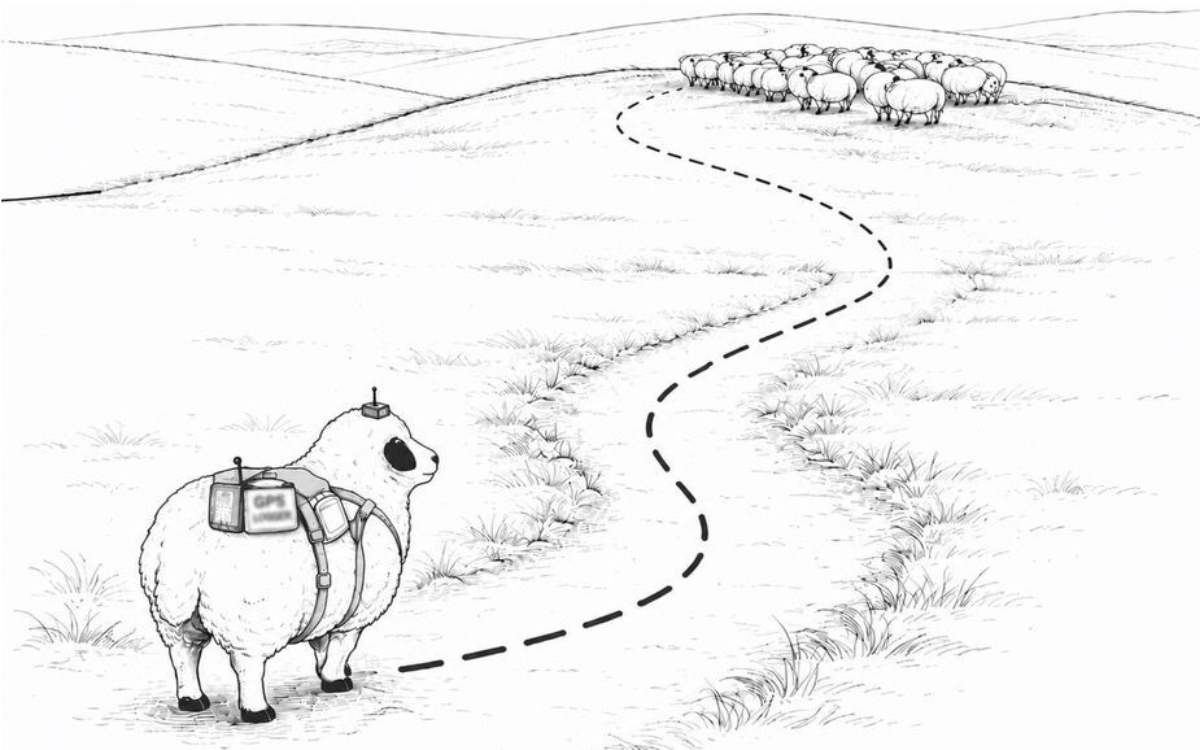
Quantifying sheep flock behavior and social interaction using an Ultra Wide Band tracking system
| Status | Open |
| Student eligibility | Veterinary |
| Project type | Narrative Review |
| Research area | Neurology, Other |
| Location | UNIC Health Campus Nicosia |
| Supervisor(s) | Dr. Nikolas Perentos |
| Expected start date | 2025-01-01 |
| Project end date | 2027-09-27 |
| Applications closing date | 2026-01-29 |
We are undertaking research into the neural basis of spatial and social navigation in sheep. As part of this ambitious project, a need arises to track a flock of animals in terms of absolute position in space, relative position with respect to conspecifics, as well as body posture/behavioral state of each animal. To achieve this, we plan to use sensor fusion methodologies to establish a robust procedure for long term monitoring in the outdoors. In this project, you will implement tracking using a Real Time Location System (RTLS) in a barn environment, collect, and analyse the relevant data. Analyses will aim to quantify the interactions between animals using methods such as network and time series analysis (e.g. graph theory and cross-correlation metrics). The project is open to both Veterinary and Medical School students. Multiple students may join, and the project will be scoped accordingly.
Supervisor’s affiliation: University of Nicosia School of Veterinary Medicine
Antimicrobial resistance (AMR) knowledge and perceptions in university students
| Status | Open |
| Student eligibility | Medical |
| Project type | Qualitative Research |
| Research area | Microbiology |
| Location | UNIC Medical Center Nicosia |
| Supervisor(s) | Dr. Ender Volkan |
| Expected start date | 2024-12-23 |
| Project end date | 2025-06-09 |
| Applications closing date | 2024-12-02 |
Antimicrobial Resistance problem is considered to be one of the top 10 global crises facing the humanity by the World Health Organization (WHO). If new antibiotics aren’t discovered and implemented, death by AMR pathogens are predicted to exceed 10 million each year and outnumber cancer deaths by 2050. To this end, it is imperative that the new generation of professionals are knowledgeable about this problem as well as how to prevent it from taking over on the island of Cyprus. This research will help assess the knowledge, attitudes, and practices of university students on antimicrobial resistance crisis which will ultimately help shape the future awareness campaigns in order to educate the public and future professionals on this important topic.
Supervisor’s affiliation: University of Nicosia Medical School
Pulmonary lesions in slaughtered adult small ruminants
| Status | Open |
| Student eligibility | Veterinary |
| Project type | Health-Life Sciences |
| Research area | Other, Pathology and Cytology |
| Location | UNIC Health Campus Nicosia |
| Supervisor(s) | Dr. Georgios Nikolaou |
| Expected start date | 2024-12-16 |
| Project end date | 2025-06-23 |
| Applications closing date | 2024-12-02 |
The lungs of slaughtered sheep and goats will be examined macroscopically and samples will be collected for Histopathology and microbiology.
Each lung will be photographed and an artificial Intelligence model will be develop to identify lungs with lesions versus healthy lungs.
Supervisor’s affiliation: University of Nicosia School of Veterinary Medicine
One Health approach to investigate the role of the GUT microBIOME in the gastrointestinal diseases’ transmission in Cyprus.
| Status | Open |
| Student eligibility | Medical |
| Project type | Qualitative Research |
| Research area | Infectious Diseases |
| Location | UNIC Medical Center Nicosia |
| Supervisor(s) | Dr. Danny Alon Ellenbogen, Dr Eleni Gentekaki, Dr. Daphne Mavrides |
| Expected start date | 2024-11-11 |
| Project end date | 2025-05-05 |
| Applications closing date | 2024-10-17 |
This first of its kind research project in Cyprus will investigate the composition of the resident gut microbiome and its role in health and disease in dairy cattle and humans. Using a multidisciplinary approach, combining fieldwork, epidemiological data collection, molecular biology and bioinformatic analyses, the various roles of the microbiome will be investigated.
Faecal samples will be collected from at least 20 farms in Cyprus. At least 40 faecal samples will be obtained from each farm (20 from young calves and 20 from their mothers) resulting in a total of 800 cow stool samples. Additionally, stool samples will be collected from farm employees (4-6 per farm), pets within the farm (5 per farm) and environmental samples (soil and animals’ drinking water). Farms selected for sampling will be distributed across different regions and altitudes of Cyprus to provide more widespread, uniform results. Eligible human volunteers will be at least 18-year-old and will provide written informed consent after obtaining a thorough explanation regarding the study’s research protocol and aims provided by a study team representative. At recruitment, participants will be provided with a faecal sample collection kit including all materials needed for sample collection. The participants will, in parallel, complete a questionnaire that will be used to obtain information on the time and date of sample collection. Metagenomic sequencing techniques will be performed (16S rRNA gene sequencing for bacteria and specific gene amplifications and sequencing for microbial eukaryotes) to investigate the composition of the lower gut microbiota.
The study has already been approved by the Cyprus Bioethics Committee and has received a funding seed grant provided by the University of Nicosia.
Supervisor’s affiliation: University of Nicosia Medical School
Investigating the milk microbiome of dairy cattle
| Status | Open |
| Student eligibility | Medical, Veterinary |
| Project type | Basic Sciences |
| Research area | Microbiology |
| Location | UNIC Medical Center Nicosia |
| Supervisor(s) | Dr. Daphne Mavrides, Dr. Eleni Gentekaki |
| Expected start date | 2025-02-03 |
| Project end date | 2025-06-02 |
| Applications closing date | 2025-02-03 |
Review of research papers on milk microbiome and trialling laboratory techniques
Supervisor’s affiliation: University of Nicosia School of Veterinary Medicine
Integration of Medical Cases in Chemistry Labs in the first year of Traditional Medical Curriculum
| Status | Open |
| Student eligibility | Medical |
| Project type | Education |
| Research area | Other |
| Location | Remote |
| Supervisor(s) | Dr. Stella Loizou |
| Expected start date | 2024-05-08 |
| Project end date | 2024-10-30 |
| Applications closing date | 2024-05-10 |
Development and integration of medical cases into the traditional laboratory curriculum from the first year of studies. Each of these cases is designed to be directly related to the experimental components of the respective labs. The cases are presented to students in a PBL format, aiming to stimulate active engagement, foster interactive learning and encourage the development of vital skills such as brainstorming, clinical reasoning and critical thinking.
Supervisor’s affiliation: University of Nicosia Medical School
Past Projects
- Effect of PCSK9 Inhibitors on Cardiac Conduction and Arrhythmia Outcomes: A Meta-Analysis of Randomized Clinical Trials (George Bazoukis, ended 2026-03-31)
- The role of mitral annular calcification in predicting the presence and severity of coronary artery disease. (George Bazoukis, ended 2026-01-31)
- Efficacy of Quinidine in the setting of Brugada syndrome, A review of the literature (George Bazoukis, ended 2025-12-31)
- The Association Between Retinopathy and the Presence and Severity of Coronary Artery Disease (George Bazoukis, ended 2025-08-22)
- The role of global longitudinal strain for predicting fatal arrhythmic events in hypertrophic cardiomyopathy (George Bazoukis, ended 2025-08-30)
- Bovine mycoplasmosis: A computer aided drug discovery approach (Dr. Manos Vlasiou, ended 2025-12-22)
- The role of electrophysiological study as a primary prevention risk stratification tool in ARVC patients (George Bazoukis, ended 2025-06-30)
- Introduction of PBL in Year 1 of Traditional Medical Curriculum (Dr. Stella Loizou, ended 2023-07-31)
- Impact of atrial fibrillation on all-cause mortality in patients undergoing TAVI, A meta-analysis (Dr. George Bazoukis, ended 2025-10-06)
- Cyprus Mouflon conservation (Dr. Catalina Cabrera, Dr. Eleni Gentekaki, Dr. Sergi Olvera, ended 2026-04-20)
- Antimicrobial resistance in dairy farming (Dr. Daphne Mavrides, Dr. Eleni Gentekaki, ended 2025-05-05)
- Parasites in wildlife (Dr. Daphne Mavrides, Dr. Eleni Gentekaki, ended 2025-05-05)
- Exploring the Potential of CADD in the Treatment of Canine Inherited Diseases (Dr. Manos C. Vlasiou, ended 2025-06-30)
- Flies: Impact on health, welfare and productivity of ruminants (Dr. Konstantinos Arsenopoulos, ended 2025-09-15)
- Takotsubo cardiomyopathy and coronary artery disease (Dr. George Bazoukis, ended 2025-05-16)
- Investigating the gut microbiome of dairy cattle (Dr. Daphne Mavrides, Dr. Eleni Gentekaki, ended 2025-01-30)
- From Cure to Prevention: Doxycycline's Potential in STD Prophylaxis (Dr. Danny Alon Ellenbogen, ended 2025-04-15)
Research News
Vet school faculty secures VISION ERC Grant for pioneering neuroscience research

Vet School joins research project on regenerative agriculture in Norway
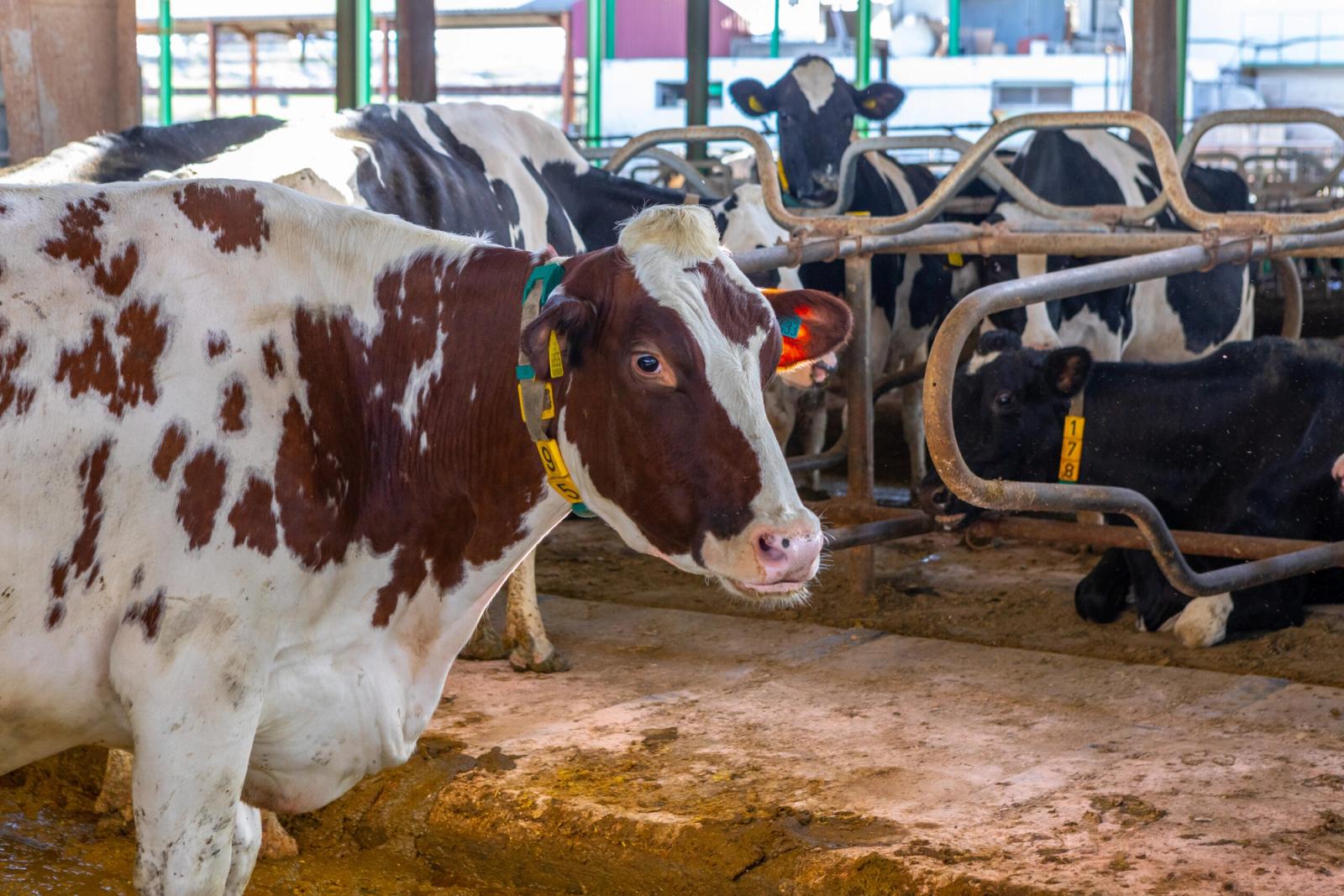
Vet student co-authors research publication
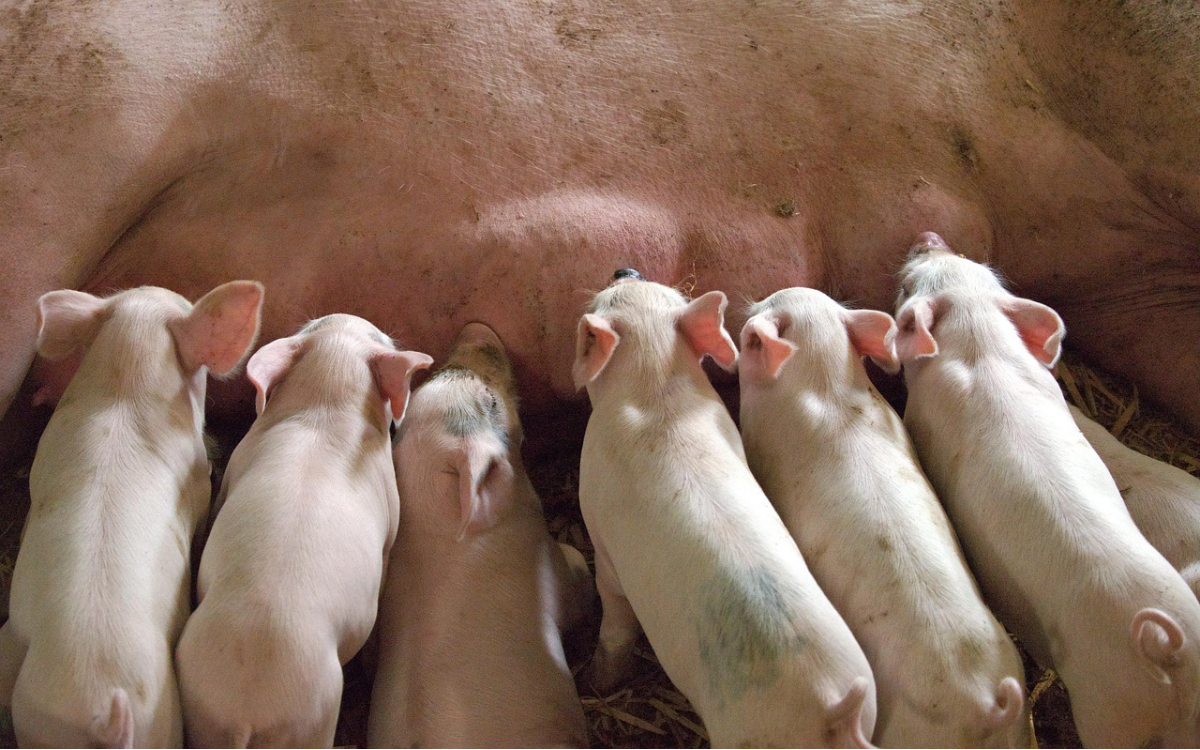
Vet students’ research highlights One Health approach to swine coronavirus treatment
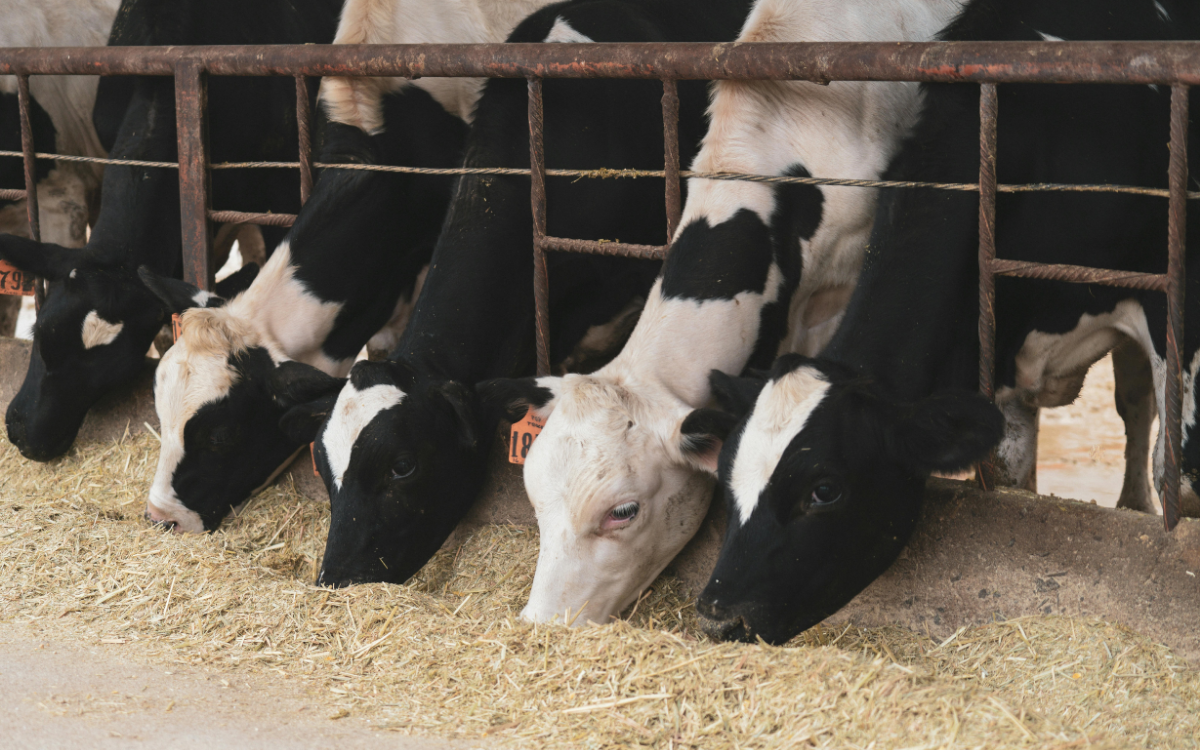
UNIC-led study finds diarrhoea-causing parasite in Cyprus dairy cattle