

26 March 2026
Engageli: Ideas for Using Tables
The platform’s collaborative tables and team-teaching capabilities support inclusive, student-centered learning.

Enhancing Higher Education with Engageli Tables
Engageli’s virtual classroom offers a powerful and flexible environment tailored to the needs of higher education and adult learners. The platform’s collaborative tables and team-teaching capabilities support inclusive, student-centered learning—enabling faculty to foster deeper engagement, connection, and comprehension, even in large or multi-section courses.
Key Benefits for Educators and Adult Learners
Seamless Group Collaboration with Tables
Engageli’s table-based format transforms virtual classrooms into collaborative learning hubs:
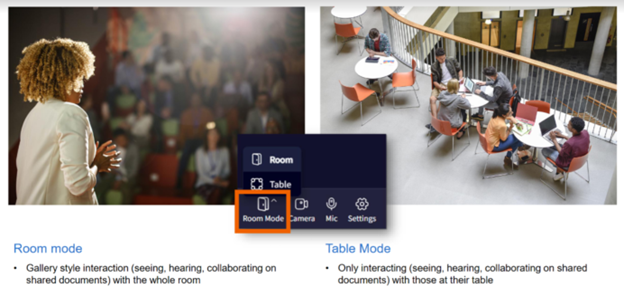
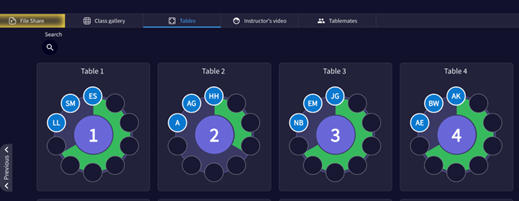
- Students are automatically seated at virtual tables, encouraging small-group interaction while maintaining connection to the broader class.
- Private table discussions provide a low-pressure environment for participation, particularly benefiting those less inclined to speak in large groups.
- Instructors can easily “walk the room,” observing or joining table conversations to provide guidance and answer questions.
Flexible Pedagogical Strategies
A variety of evidence-based instructional models can be easily implemented in Engageli:
- Think–Pair–Share: Assign problems for discussion at each table; students collaborate and then share findings with the class.
- Jigsaw Learning: Use polls to create expert groups, then reshuffle students to teach their peers in new table groups.
- Team-Based Learning: Conduct pre-class quizzes, facilitate table discussions, and reassess to identify learning gaps.
- Poll-Based Seating: Dynamically group students based on poll responses to encourage meaningful discussion or debate.
Tools for Engagement and Facilitation
- Launch timers for group tasks and communicate instructions directly from the podium or via chat.
- Monitor engagement using table-level indicators and intervene proactively where support is needed.
- Instructors or TAs can host private conversations by inviting learners to a designated support table.
- Share whiteboards or screens at tables to support collaborative problem-solving.
Why This Matters for Adult and Higher Education Learners
- Flexibility: Tables create micro-communities within large lectures, giving adult learners the space to participate, collaborate, and build confidence.
- Access to Support: With team teaching, students can engage with multiple instructors and support staff who can address diverse needs.
- Clarity and Structure: Structured group work, dynamic polling, and clear communication—supported by LMS integration—ensure a coherent and accessible learning experience.
- Data-Driven Adjustments: Quiz data, engagement indicators, and table observations enable instructors to adapt teaching in real time.