

4 November 2025
Enhancing Learning Interaction with Padlet
As part of its continued investment in digital innovation, the University of Nicosia is expanding the use of Padlet across both its distance learning and on-campus courses. Padlet is an interactive, easy-to-use platform that enables lecturers and students to collaborate, share ideas, and create visually engaging content in real time.

Padlet: An initiative of the AI Learning Centre, shaping the future of education.
What Is Padlet?
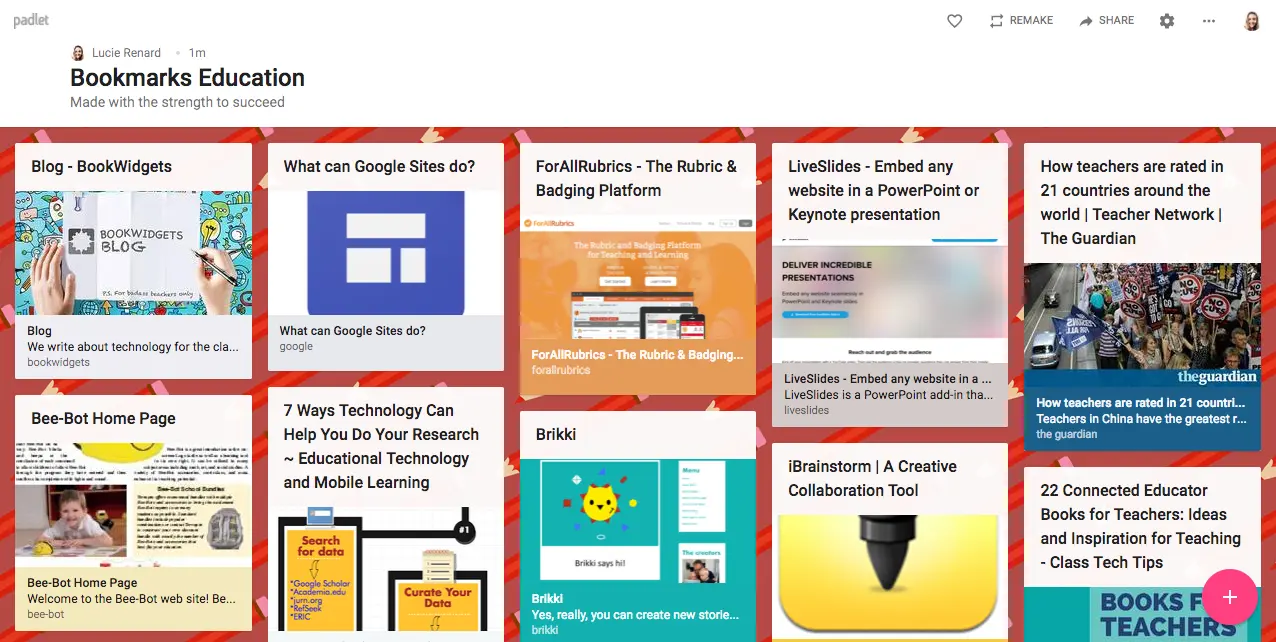
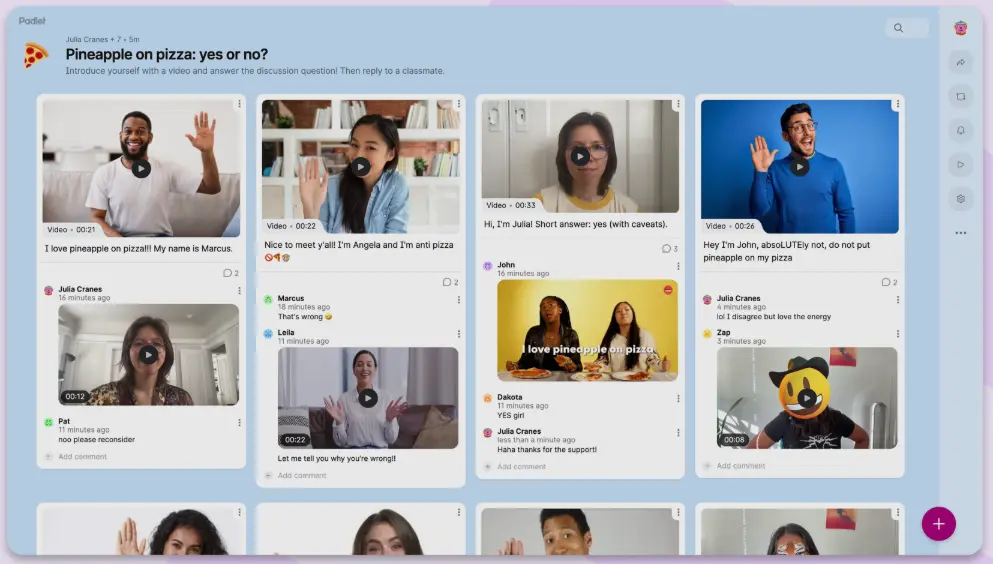
Padlet is an online collaboration tool that functions as a digital noticeboard or canvas. Lecturers and students can post text, images, links, videos, documents, or audio recordings in a shared space. Each Padlet can be customised to suit different teaching styles and learning objectives, making it a valuable resource for both asynchronous and live sessions.
Its simplicity, accessibility, and visual appeal make it ideal for a wide variety of academic activities – from curating resources and sharing reflections to supporting group discussions and creative projects.
Supporting Active and Collaborative Learning
Padlet encourages students to take a more active role in their learning. Instead of being passive recipients of information, they become contributors, creators, and collaborators.
- Lecturers can use Padlet to:
- Facilitate interactive discussions and debates
- Collect and showcase student work
- Host brainstorming or idea-generation activities
- Curate supplementary materials or reading lists
- Support reflection and feedback exercises
By integrating Padlet into a course, lecturers create a more collaborative, participatory learning environment that fosters student engagement and a stronger sense of academic community – whether online or in the classroom.
Seamless Integration with Teaching
Padlet integrates smoothly with Blackboard Ultra, allowing lecturers to embed boards directly within their courses for easy student access. It can also be shared via a simple link or QR code, enabling participation from any device without the need for installation or additional software.
Padlet is equally effective in online sessions delivered through Engageli or in face-to-face teaching settings, giving lecturers the flexibility to use it wherever and however learning takes place.
A Tool for Creativity and Reflection
Padlet supports a range of creative and reflective learning activities. Students can build digital portfolios, share reflections on course content, or comment on their peers’ contributions. The platform’s layout options – including grids, timelines, and maps – allow lecturers to design visually engaging learning spaces that encourage exploration and critical thinking.
This versatility makes Padlet particularly valuable across disciplines, from the humanities and social sciences to business, technology, and health sciences.
New Sandbox Feature
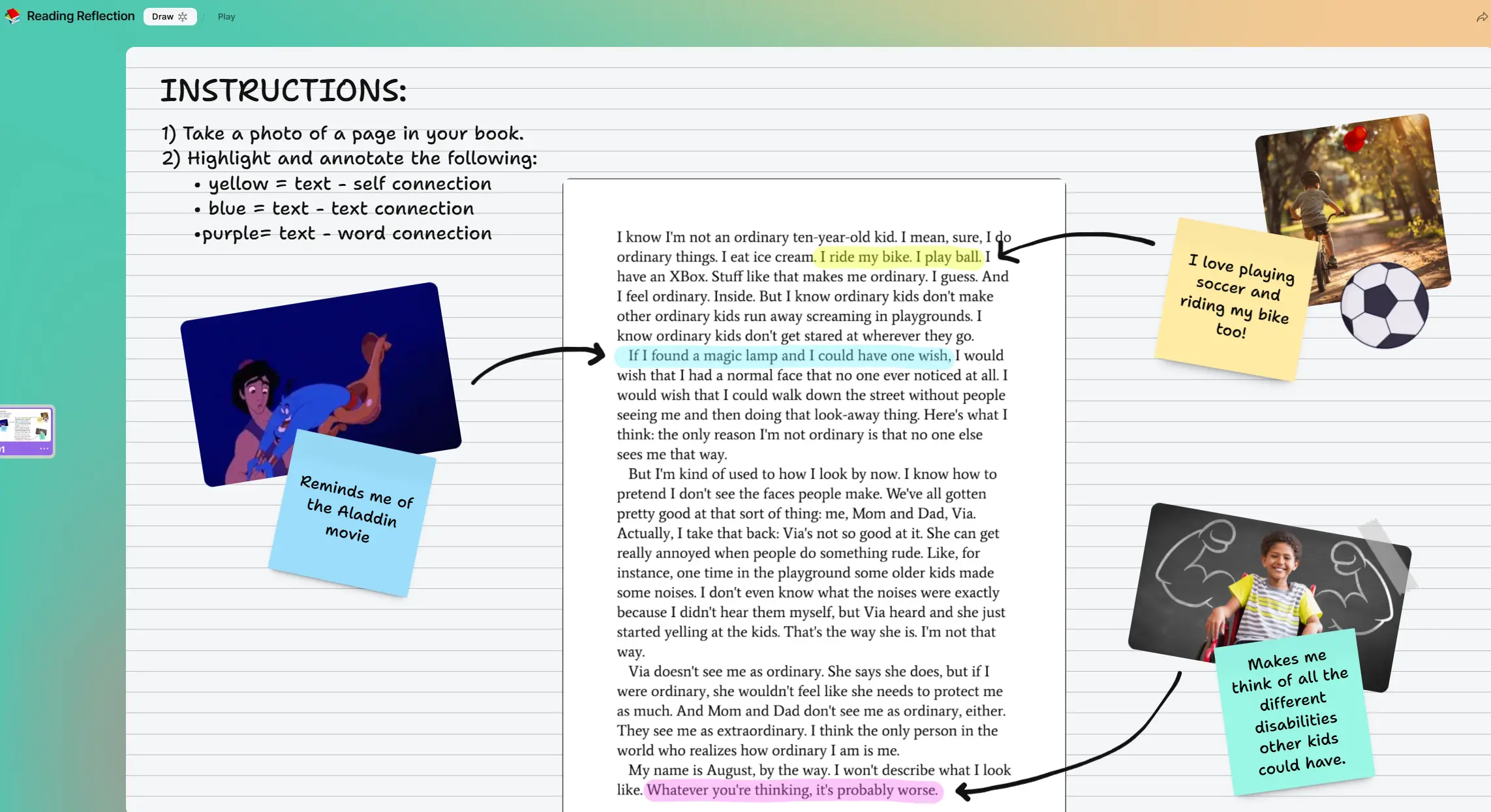
Padlet Sandbox is a collaborative digital whiteboard designed for freeform creation and experimentation, acting as a digital canvas for drawing, writing, and embedding media, similar to the discontinued Google Jamboard.
It offers interactive features like linking objects to navigate cards, a play mode for slideshows, and tools for drawing, shapes, text, images, video, and audio, all within a low-risk environment for educators and students.
Support and Training Opportunities
To help lecturers make the most of this tool, the University offers dedicated support and training.
The Online Learning Support Unit is available to assist lecturers with setting up and integrating Padlet into both distance learning and conventional courses.
To arrange a Padlet for your course, please contact the Online Learning Support Unit for setup and technical support.
The AI Learning Centre will also be offering training sessions on using Padlet effectively in teaching and learning. These sessions will explore practical applications, design ideas, and strategies to enhance interactivity and student engagement.
Together, these initiatives ensure that every lecturer has the guidance and skills needed to use Padlet confidently and creatively in their courses.
Conclusion
The introduction of Padlet further strengthens the University of Nicosia’s digital learning ecosystem, complementing platforms such as Blackboard Ultra and Engageli. By promoting collaboration, creativity, and student participation, Padlet supports the University’s mission to deliver innovative, engaging, and inclusive learning experiences across all modes of study.
To arrange a Padlet for your distance learning or conventional course, contact the Online Learning Support Unit, and look out for upcoming AI Learning Centre training sessions to learn more about how to use Padlet effectively in your teaching.