Lab Overview
The Human Performance Laboratory is a specialised platform for exercise physiology, biomechanics, metabolic assessment, movement analysis, and functional performance evaluation. Its mission is to support advanced teaching, postgraduate research, and scientific investigation into human movement, physical capacity, rehabilitation outcomes, and performance optimisation.
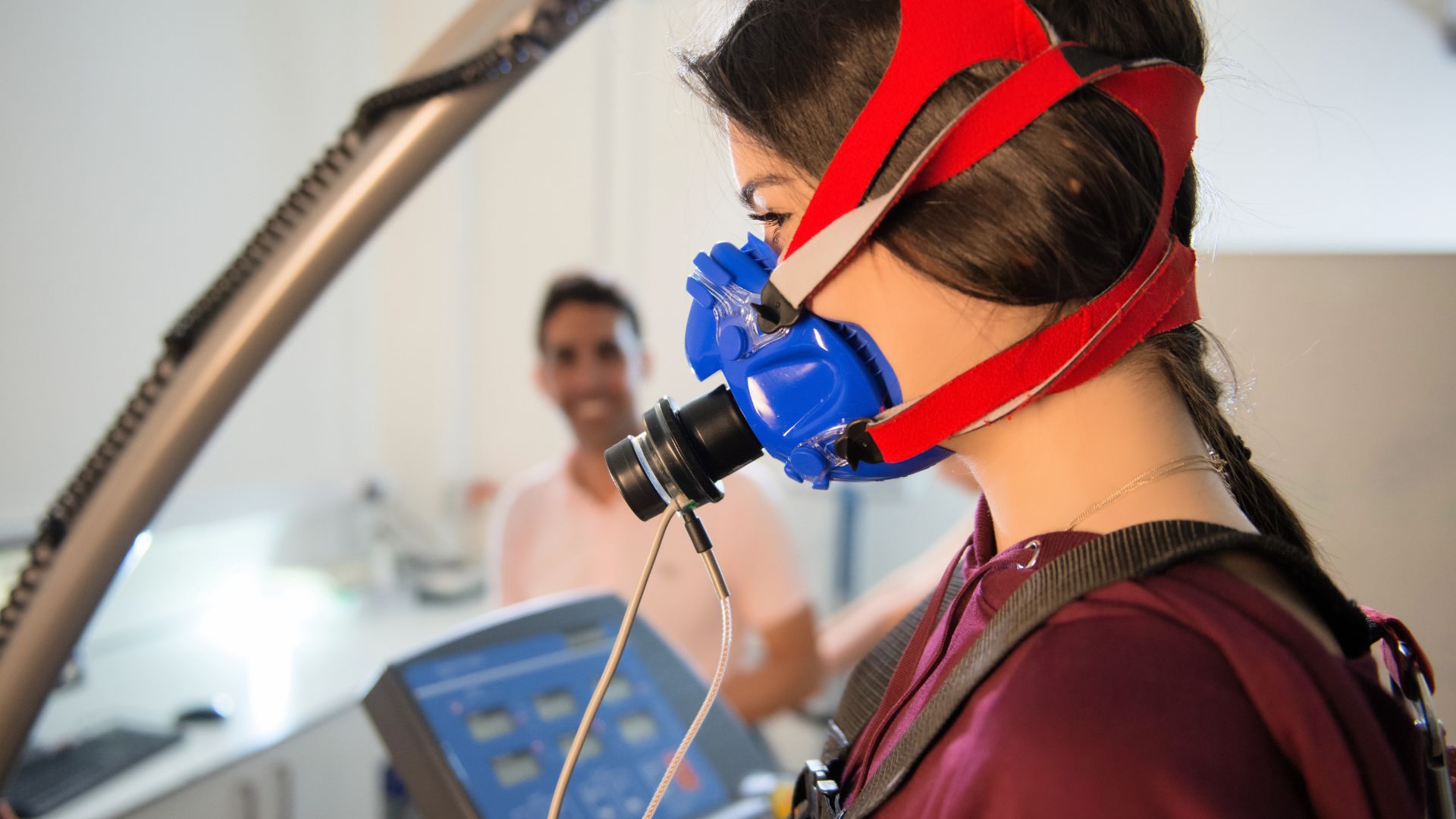
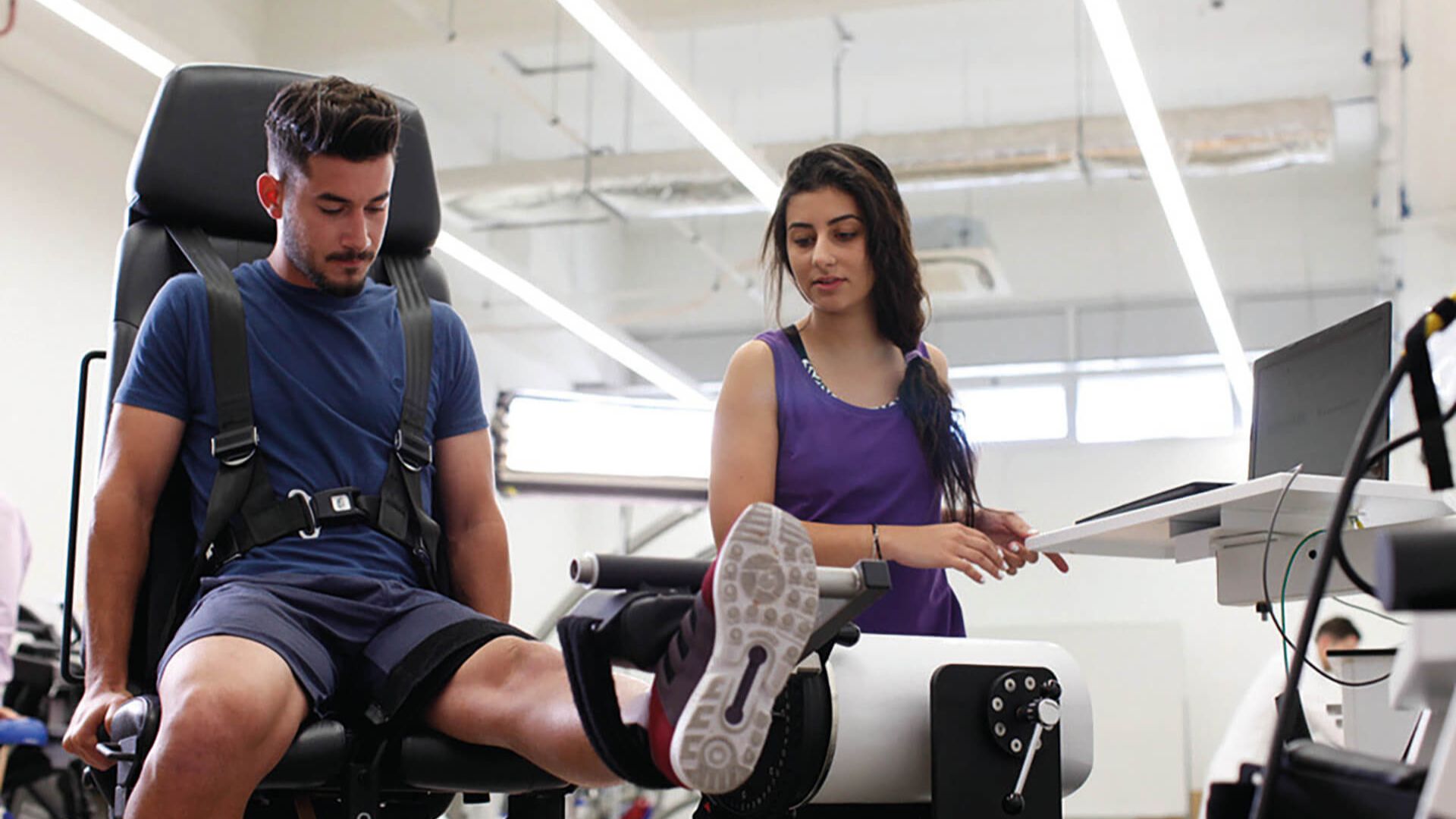
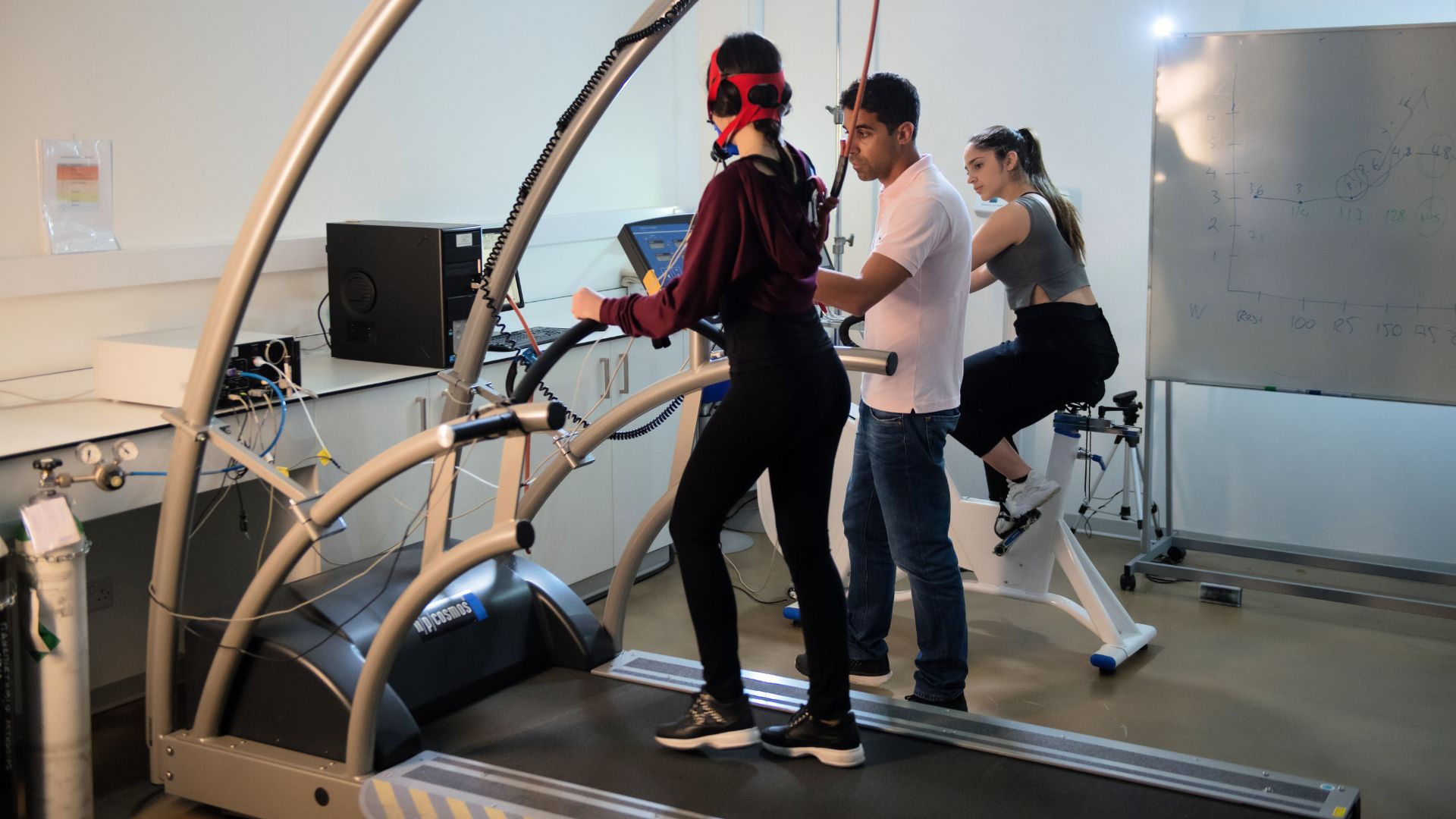
The laboratory brings together cardiopulmonary exercise testing, body composition assessment, gait analysis, isokinetic testing, motion capture, metabolic measurement, biochemical analysis, and biomechanical evaluation. This combination allows students and researchers to examine human performance from multiple levels: cardiovascular response, muscle function, movement mechanics, metabolic profile, body composition, and functional capacity.
For UNIC Athens, the laboratory is strategically important because human performance sits at the intersection of health sciences, rehabilitation, sports medicine, ageing, preventive health, occupational performance, and digital measurement. It offers a platform for high-value collaboration across clinical, academic, athletic, and innovation ecosystems.
Research & Innovation Focus
The laboratory enables research and teaching innovation in exercise physiology, rehabilitation science, biomechanics, gait analysis, cardiorespiratory fitness, body composition, metabolic assessment, hormone analysis, amino acid analysis, isokinetic testing, and motion capture. It supports studies involving healthy individuals, athletes, clinical populations, rehabilitation patients, and groups with functional limitations.
Its instrumentation allows performance and health to be assessed through objective metrics rather than subjective observation alone. This creates opportunities for longitudinal assessment, intervention studies, rehabilitation monitoring, athletic profiling, functional ageing research, and precision exercise programmes.
Core Capabilities
The laboratory enables:
- Cardiopulmonary exercise testing using treadmill, bicycle, Wingate, Monark, row ergometer, ECG, and gas-analysis systems.
- Metabolic assessment through breath-by-breath analysis, portable expired gas analysis, dry gas metering, and blood-based metabolic measurement.
- Body composition analysis using hydrostatic weighing and bioelectrical impedance systems.
- Biochemical and hormonal assessment using amino acid HPLC analysis and immunoassay technologies.
- Biomechanical and gait analysis using Vicon motion capture, force plate systems, and motion-capture body suit technology.
- Isokinetic assessment using Humac Norm dynamometry with spinal and upper-limb modules.
- Evidence-based evaluation of performance, rehabilitation outcomes, and functional capacity in healthy and clinical populations.
Collaboration Opportunities
The Human Performance Laboratory is highly relevant for collaboration with sports organisations, rehabilitation centres, clinical researchers, wearable technology companies, digital health developers, EU-funded consortia, occupational health partners, and biotech or longevity-focused initiatives.
It can support contract research, intervention studies, athlete monitoring, rehabilitation outcome assessment, human performance profiling, movement analytics, and translational projects involving exercise, ageing, recovery, metabolic health, and functional resilience.
Gallery
Facility Details
Type
Physiotherapy Lab
Room
RT127
Building
Capacity
20