

4 November 2025
Introducing Blackboard Ultra: A Smarter, Smoother Platform for Lecturers and Students
By prioritising ease of use over added complexity, Blackboard Ultra streamlines teaching, learning, and communication, allowing lecturers and students to focus on what matters most.

Introduction – Why the Change Matters
As part of our ongoing efforts to improve the digital learning environment, we are moving from Moodle to Blackboard Ultra. While Moodle has served us well for many years, the needs of our teaching and learning community have evolved. The shift reflects a broader goal: to make online learning spaces more intuitive, more accessible, and less of a distraction from what really matters — teaching and learning.
This transition is not about adding more tools or complex functionality. It is about simplifying the experience for lecturers and students so that technology supports their work rather than complicating it.
Ultra’s Modern, Intuitive Design
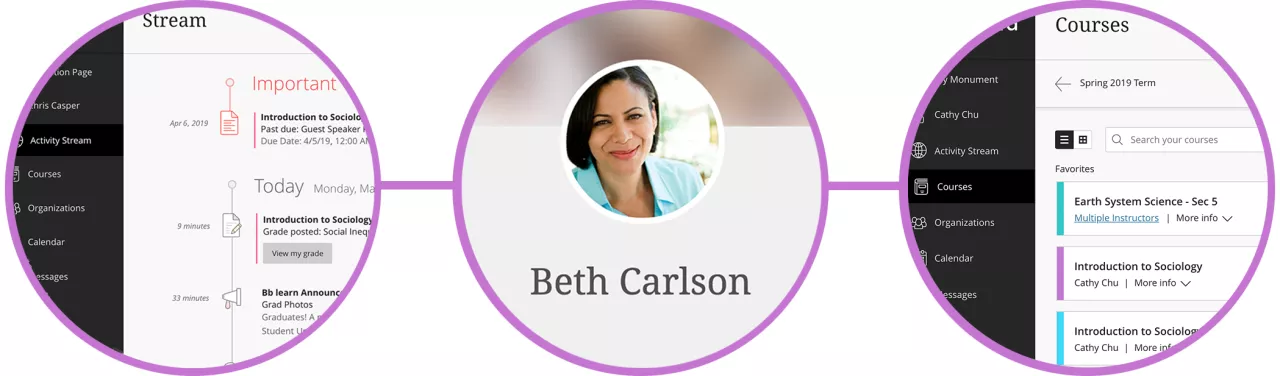
One of the most immediate differences users will notice is the look and feel of Blackboard Ultra. The interface is clean, uncluttered, and designed to make sense at first glance. Navigation is logical and consistent, with fewer layers to click through and clearer labels throughout.
The platform’s structure is deliberately straightforward. Course content, communication tools, and assessment features are all easy to find, and the layout stays familiar across modules. Whether accessed on a desktop, tablet, or mobile device, Ultra provides a cohesive experience, which means less time spent figuring out how to get somewhere and more time focused on the task at hand.
For Lecturers: Teaching Made Effortless
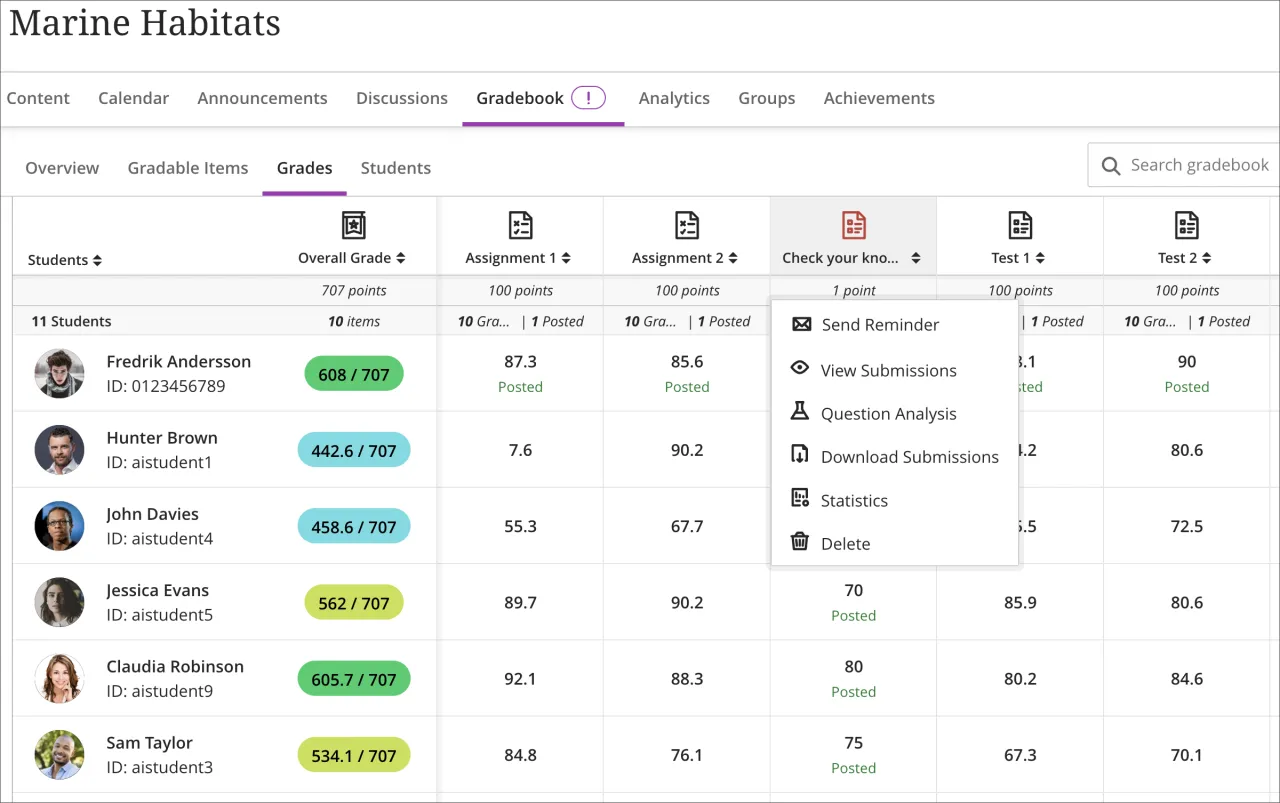
Blackboard Ultra is built to support the daily rhythm of teaching. Routine tasks — posting announcements, reviewing submissions, tracking engagement — are simpler and quicker to manage. Course areas are logically arranged, making it easier to locate the tools and information you need without extensive searching or setup.
This design reduces administrative overhead and allows lecturers to concentrate on the substance of their teaching. Instead of spending time navigating menus or remembering where specific settings live, lecturers can focus on delivering content and engaging with students.
For Students: Learning Without Barriers
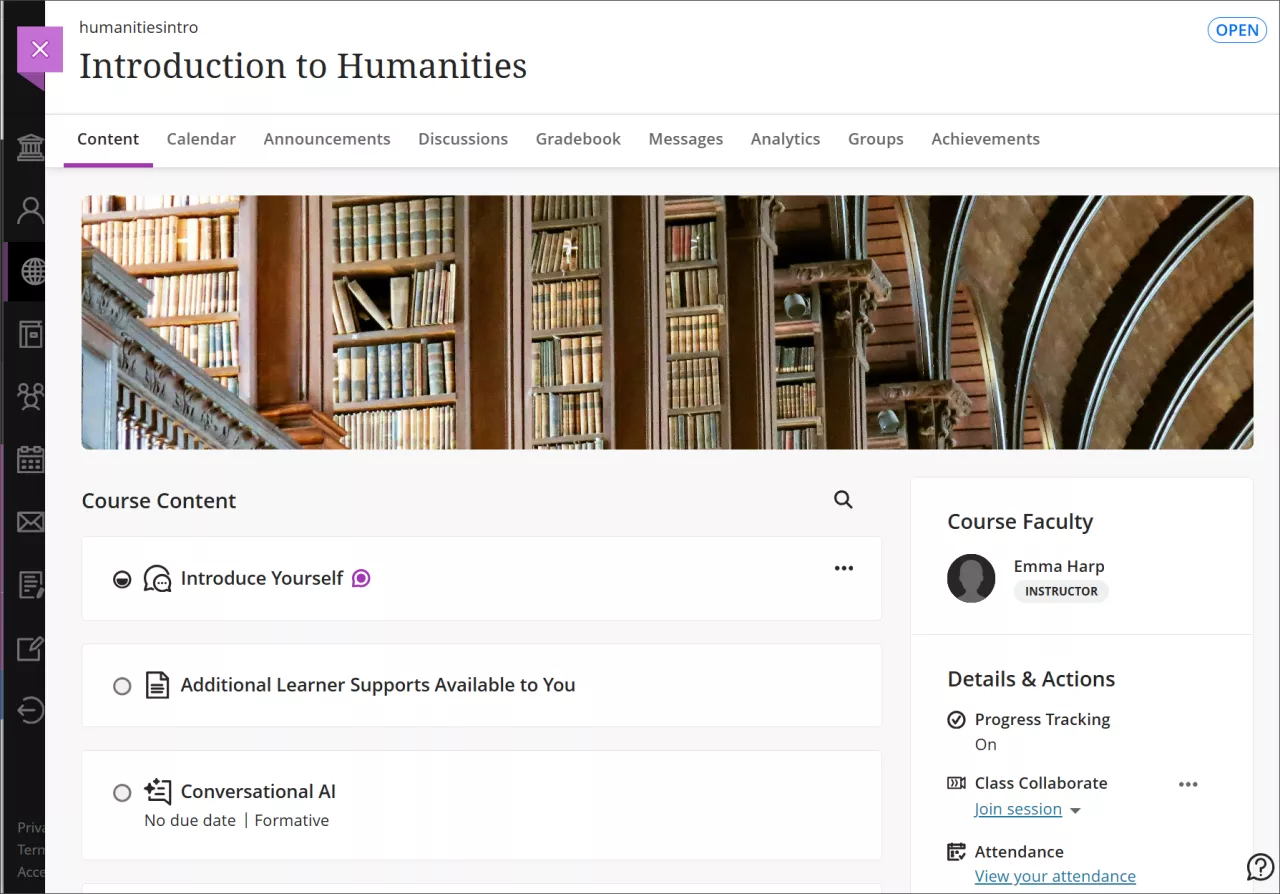
Students benefit from a similarly streamlined experience. Course materials, deadlines, and grades are easy to find, with a consistent layout across all their modules. This reduces confusion and helps students develop good study habits without the frustration of learning a new navigation system for each course.
Communication is also more straightforward. Messages, announcements, and feedback are presented clearly and are accessible in one place, making it easier for students to stay informed and connected throughout their studies.
Streamlined Collaboration and Communication
Blackboard Ultra integrates communication and collaboration tools into the core learning environment. Discussion boards, group work spaces, and messaging features are designed to feel part of the overall platform rather than separate add-ons.
This integrated approach means that collaboration happens naturally. Students and lecturers can engage with each other without switching between multiple systems, supporting more meaningful interaction and participation.

Support Built In: Help When and Where It’s Needed
The simplicity of Blackboard Ultra means users need far less training to get started. Its intuitive design helps new users become confident quickly, and onboarding is noticeably smoother compared to older platforms.
For both lecturers and students, this translates into less time spent learning the system and more time spent using it effectively.
Conclusion – Teaching and Learning, Simplified
Blackboard Ultra represents a significant step forward in creating a digital learning environment that supports rather than distracts. By reducing complexity, improving navigation, and focusing on clarity, it allows lecturers and students alike to focus on what truly matters: teaching, learning, and meaningful engagement.