
Asthma is a chronic respiratory disease where airways become inflamed and swollen, causing difficulty breathing. There is no cure for asthma. The best way to manage asthma is to avoid triggers, take medications to prevent symptoms and prepare to treat asthma episodes if they occur.
Novel Practice Asthma Service
We recently introduced a practice asthma service in order to ensure the best possible care for our patients. It is paramount that patients with asthma have a yearly check-up, even if it is well controlled. This is of paramount importance as 50% of patients do not realise that their asthma is not well controlled.
Patients who have uncontrolled asthma require an urgent appointment with their personal doctor.
Given there is no current recall system from the GHS (General Healthcare System) we have created create a system whereby we offer systematic reviews every year.
Annual Review Appointments
Most people go for an asthma review once a year. Asthma guidelines recommend this as an important way to help you stay on top of your asthma symptoms.
Your primary care doctor or centre will usually invite you for an annual asthma review. You will need to book your first appointment yourself. Following this, you will be invited for a follow-up appointment. If your doctor has not invited you for a review, you can book an appointment yourself.
If you have difficult or severe asthma you need to go for an asthma review more than once a year.
If you’re having asthma symptoms, don’t wait for your annual check-up. Give your personal doctor a call and get an appointment sooner.
This is a good opportunity to talk through what you can do to lower your risk of an asthma attack, for example using your preventer inhaler regularly, or stopping smoking, or losing any excess weight.
Furthermore, we will review your asthma medication to make sure it’s still working effectively for you.
If you’ve had no symptoms and haven’t needed your reliever inhaler for three months, your Personal Doctor can look into reducing your dose.
Preventing asthma attacks
To reduce the risk of having an asthma attack:
- Create and follow an asthma action plan (see below)
- Take your medicines as prescribed
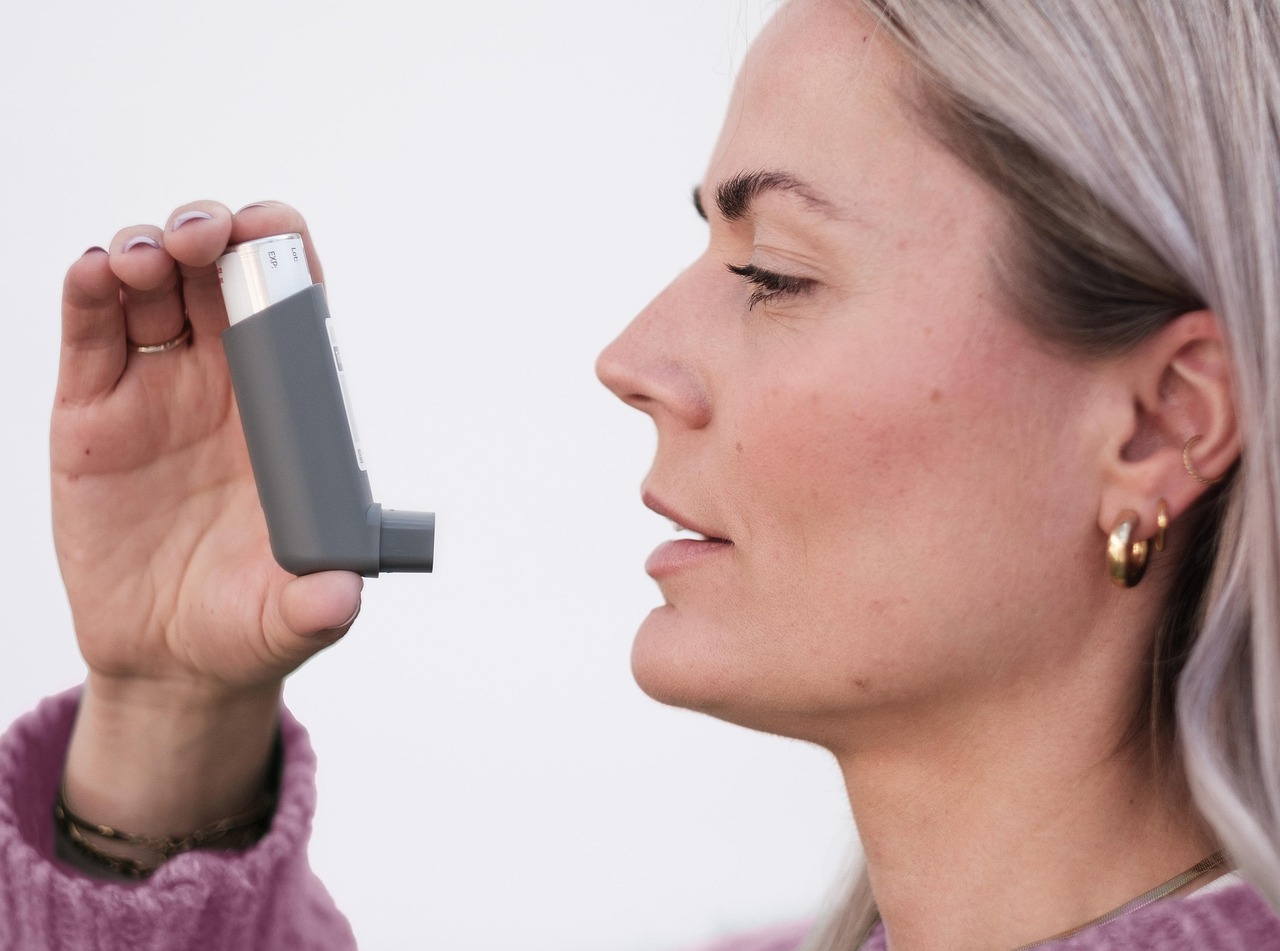
- Check with your Personal Doctor or asthma nurse that you are using your inhaler correctly
- Avoid things that trigger your symptoms
- Take inhalers everywhere with you
- Have the flu jab (and pneumococcal vaccine if >65)
- Keep a diary of symptoms
- Have asthma reviews with your Personal Doctor at least once a year
- Consider getting lifestyle/smoking cessation advice
See your doctor
- within 24 hours:
if your symptoms have been getting worse, you need to use your reliever inhaler three or more times a week, or you’ve had an asthma attack - within two working days:
if you’ve had to go to hospital with an asthma attack - within four to eight weeks:
if your prescription has changed - if you have seasonal triggers like hay fever:
Try going the month before your hay fever usually starts. Managing hay fever symptoms is an important way of managing your asthma. Your Personal doctor may also increase your asthma treatment beforehand to provide extra protection
Creating a plan to manage your asthma
An asthma action plan helps you to manage your asthma.
You make this plan with your Personal Doctor.
The plan includes information on:
-your medicines and how to take them
-how to control your symptoms
-what to do if you have an asthma attack
-how to know if your symptoms are getting worse and what to do
-emergency contact information