
What is pre-diabetes?
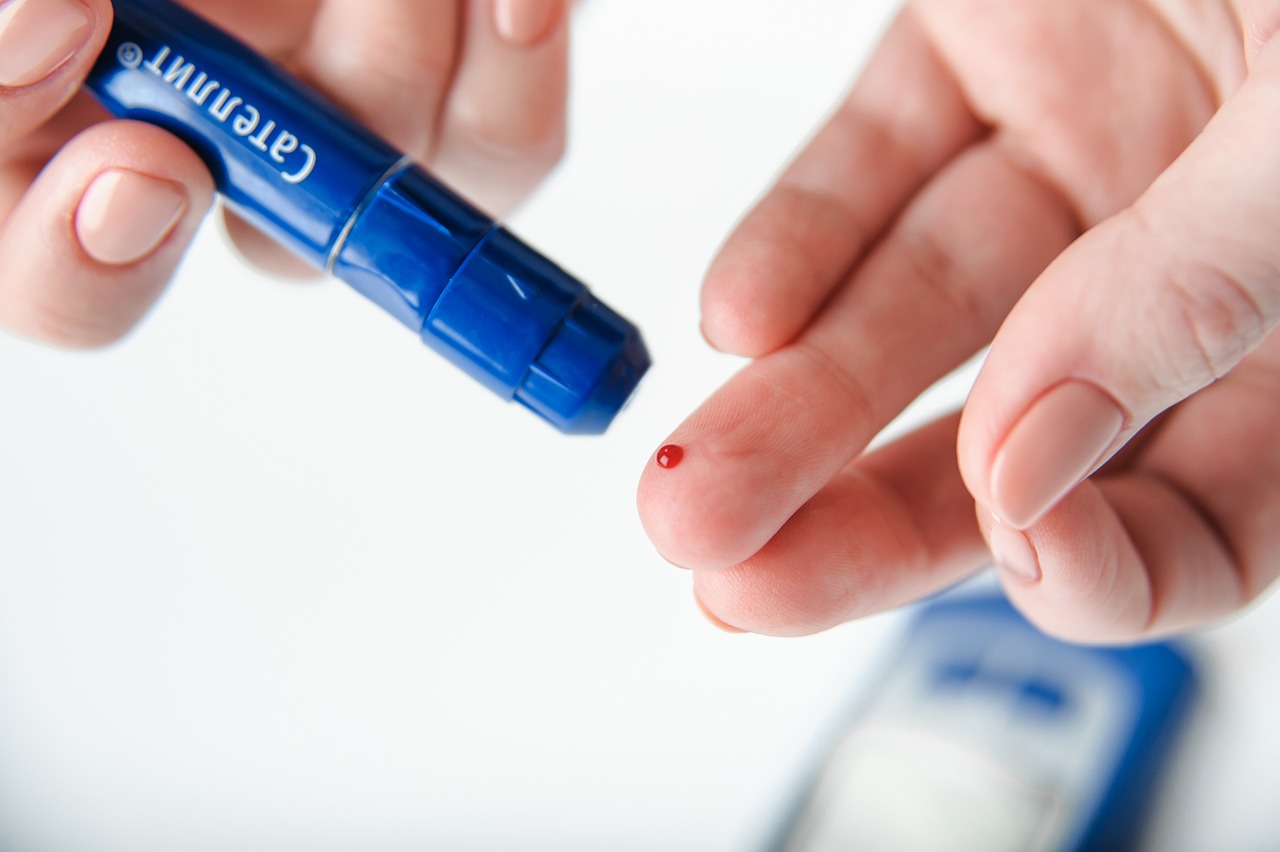
Some patients have a blood sugar level which is higher than normal but not high enough to be called diabetes. This is called pre-diabetes and can be identified by blood sugar (glucose) tests. Technically, pre-diabetes may result from one of three conditions called Impaired Fasting Glycaemia, Impaired Glucose Tolerance and Increased Glycated Haemoglobin. However, the effect is the same – it means raised blood sugar and a higher risk of getting diabetes and heart disease.
Out of 100 people with prediabetes, around 33 will develop type 2 diabetes, and about 70 will progress to diabetes within a few years if they don’t make lifestyle changes. However, it is not a definite outcome, as healthy lifestyle changes like increased physical activity, a healthier diet, and weight loss can delay or even prevent the progression to diabetes in most people.
How to prevent type 2 diabetes
If you have pre-diabetes, you can lower your risk for developing type 2 diabetes by adopting healthier lifestyle choices:
1. Eat healthy foods. A diet high in fruits, vegetables, nuts, whole grains and olive oil is associated with a lower risk of diabetes. Choose foods low in fat and calories and high in fiber. Eat a variety of foods to help you achieve your goals without compromising taste or nutrition.
2. Be more active. Physical activity helps you control your weight, uses up sugar for energy and helps the body use insulin more effectively. Aim for at least 150 minutes of moderate or 75 minutes of vigorous aerobic activity a week, or a combination of moderate and vigorous exercise.
3. Lose excess weight. If you’re overweight, losing just 5% to 7% of your body weight can significantly reduce the risk of type 2 diabetes. To keep your weight in a healthy range, focus on permanent changes to your eating and exercise habits.
4. Stop smoking. Stopping smoking can improve the way insulin works, improving your blood sugar level.
5. Take medications as needed. If you’re at high risk of diabetes, your healthcare provider might recommend metformin (Glumetza). Medications to control cholesterol and high blood pressure might also be prescribed.
Novel Practice Pre Diabetes Service
We recently introduced a practice pre-diabetes service in order to prevent patients from progressing to diabetes and achieve the best possible care for our patients. It is paramount that patients with pre-diabetes have a yearly check-up, to measure their blood glucose levels and test for other risk factors.
Given that there is no current recall system through the GHS, we wanted to innovate and create a system whereby we inform you about the tests you need to take every year (see table below) and then make sure you see the nurse and doctor for an annual review, during which you will go through a specific checklist.
Please make sure to have your blood and urine tests before coming to see the nurse.
Inform your personal doctor to order your blood and urine tests online and then visit a laboratory of your choice to have your tests done.
Annual Review Appointments
You will need to book your very first review appointment yourself.
Following review by the nurse and doctor, an appropriate follow-up will be offered.
Tests:
| PRE-DIABETES |
|
|
|---|