Περιγραφή
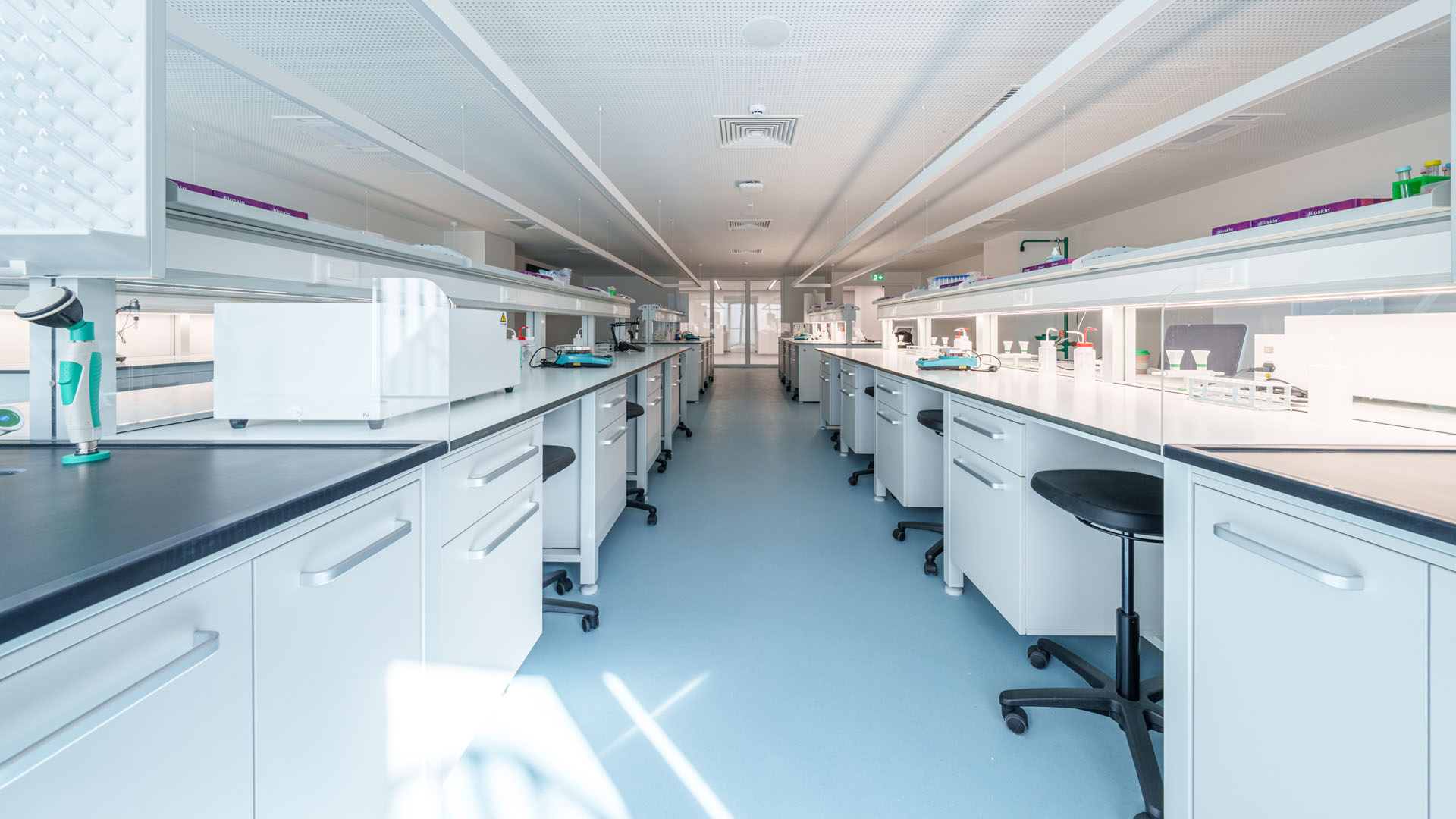
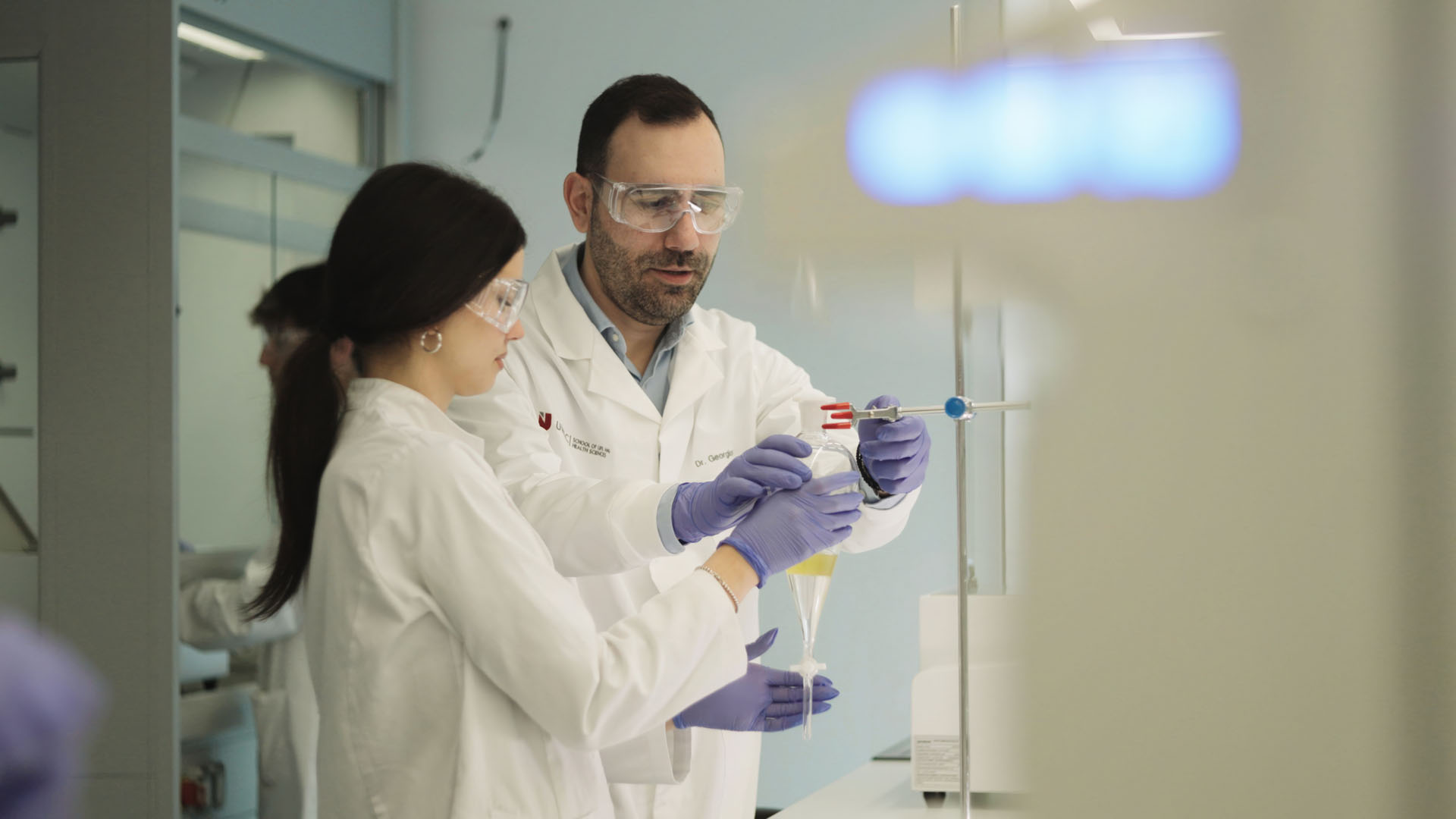
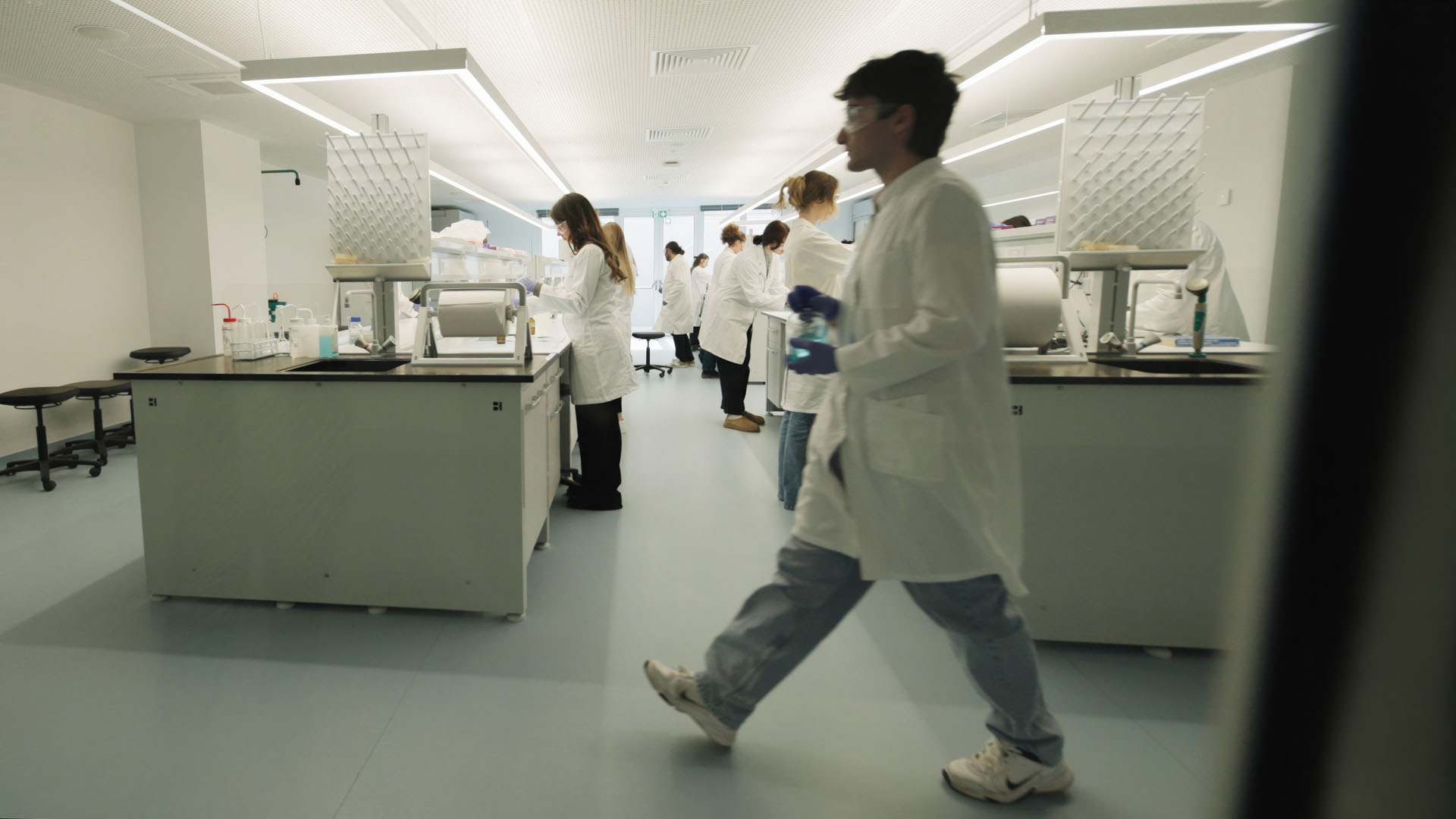
Το Εργαστήριο Χημείας & Βιοχημείας αποτελεί βασικό πυλώνα της εκπαίδευσης στις επιστήμες της Ιατρικής και της Φαρμακευτικής. Σχεδιασμένο για να συνδέει τις θεμελιώδεις αρχές της χημείας με τη βιολογική λειτουργία των ζώντων οργανισμών, προσφέρει στους φοιτητές ένα σύγχρονο εκπαιδευτικό περιβάλλον όπου εξερευνούν τις μοριακές βάσεις της ζωής. Από τις θεμελιώδεις χημικές αντιδράσεις και τη δομή των βιομορίων έως τα πολύπλοκα μεταβολικά μονοπάτια που διέπουν τη λειτουργία του ανθρώπινου οργανισμού, οι φοιτητές αποκτούν τις γνώσεις που αποτελούν τη βάση της σύγχρονης βιοϊατρικής επιστήμης.
Εκπαιδευτική Αξία και Κλινική Εφαρμογή
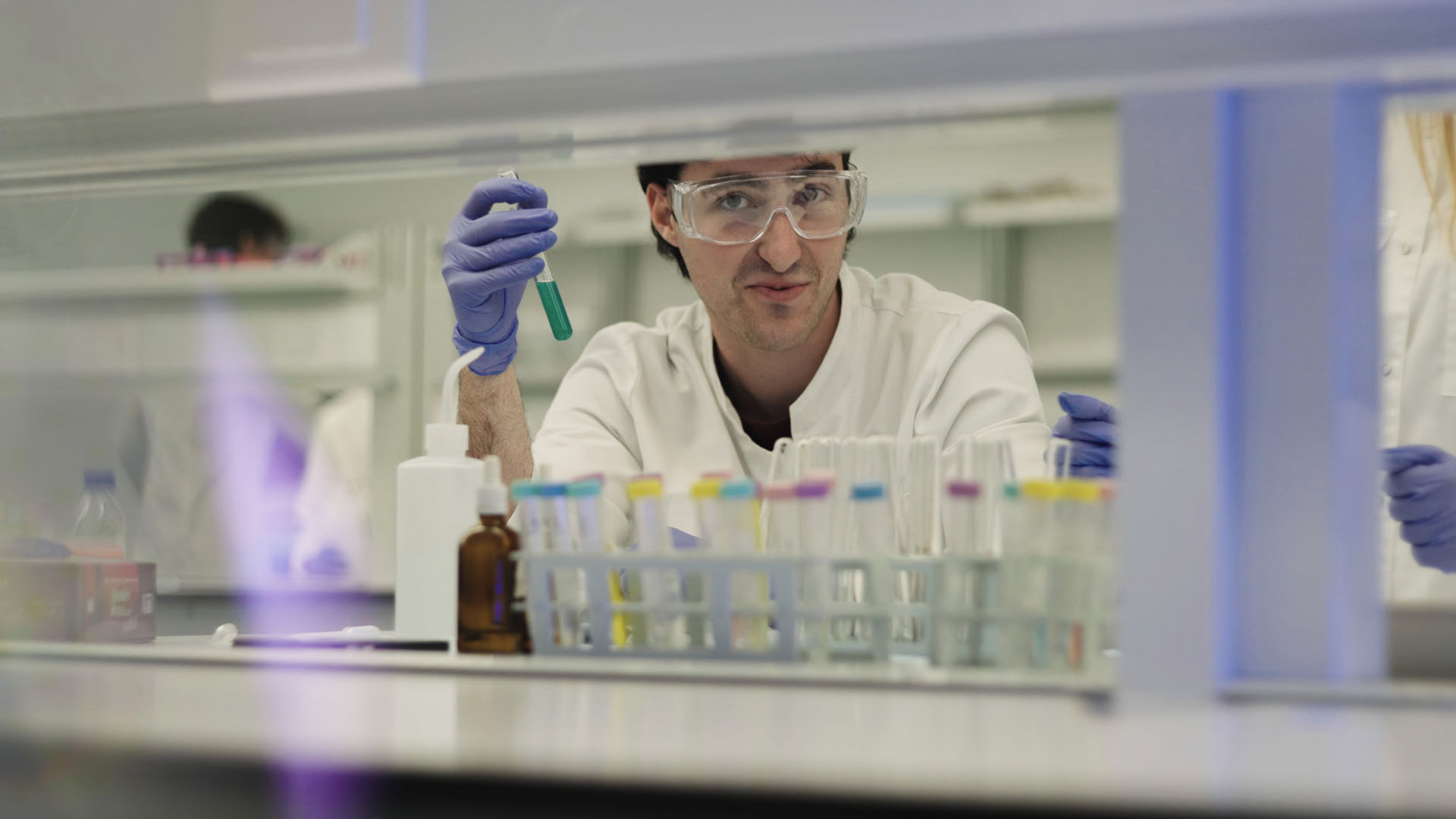
Το εργαστήριο αποτελεί βασική πλατφόρμα διεπιστημονικής εκπαίδευσης, δίνοντας στους φοιτητές τη δυνατότητα να συνδέουν τη θεωρητική γνώση με την πειραματική τεκμηρίωση. Μέσα από την εκτέλεση δομημένων και συστηματικών πειραμάτων, αποκτούν ουσιαστική κατανόηση του τρόπου με τον οποίο οι βιοχημικές διεργασίες επηρεάζουν άμεσα την εμφάνιση και εξέλιξη των νοσημάτων, τις διαγνωστικές εξετάσεις και τη δράση των φαρμάκων.
Η εκπαίδευση αυτή προετοιμάζει τους μελλοντικούς ιατρούς, φαρμακοποιούς και ερευνητές να μετατρέπουν τα μοριακά δεδομένα σε ουσιαστική κλινική γνώση, αναπτύσσοντας την αναλυτική σκέψη και τις επιστημονικές δεξιότητες που απαιτεί η σύγχρονη βιοϊατρική πρακτική.
Βασικές Υποδομές και Δυνατότητες
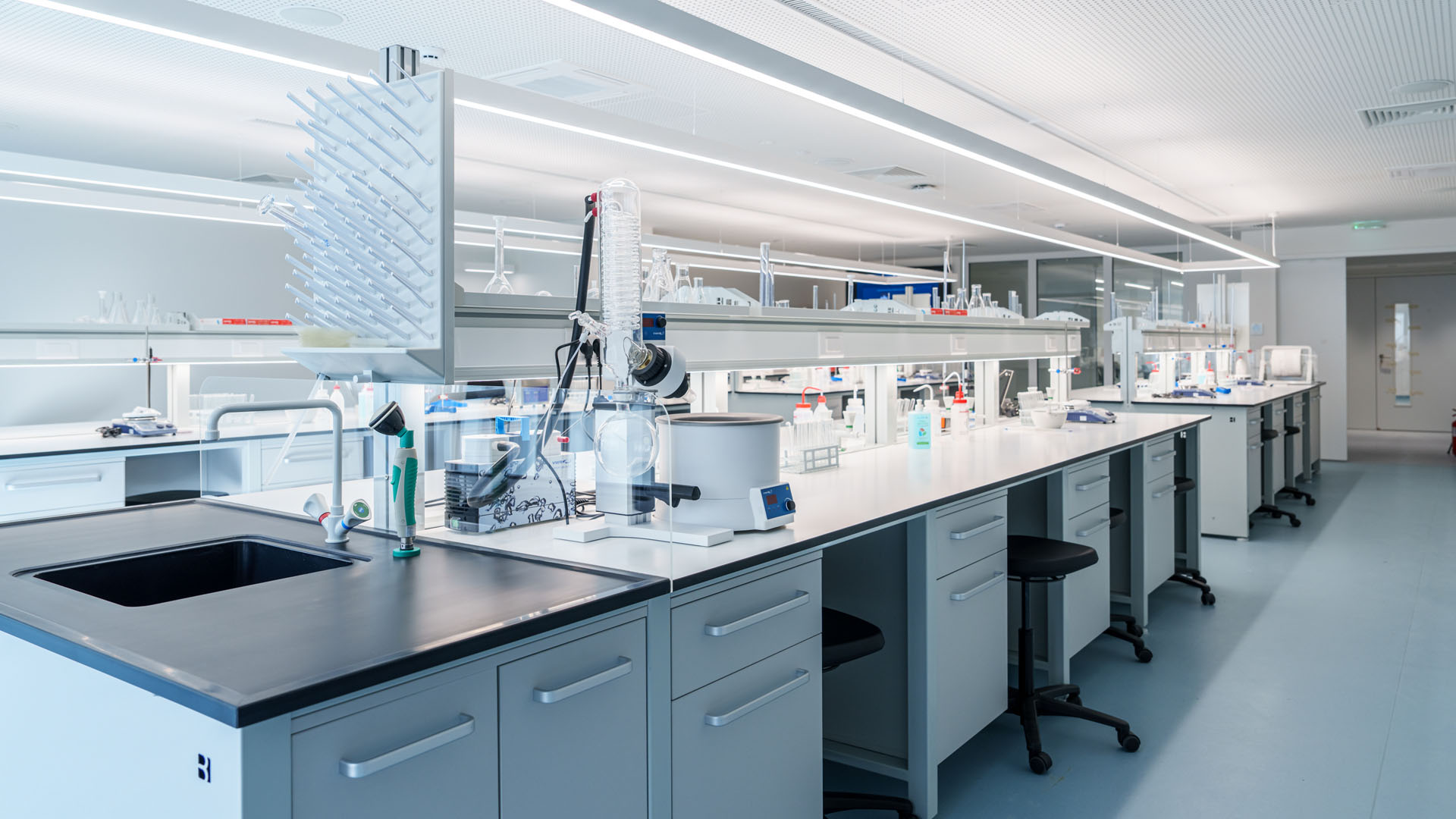
Το εργαστήριο διαθέτει σύγχρονο εξοπλισμό και υποδομές που υποστηρίζουν την ανάπτυξη τεχνικής ακρίβειας και εργαστηριακής εξειδίκευσης, μεταξύ των οποίων:
- Αναλυτικά Όργανα Υψηλής Ακρίβειας: Φασματοφωτόμετρα για τη μελέτη αλληλεπιδράσεων βιομορίων, της κινητικής χημικών αντιδράσεων και της ενζυμικής δραστηριότητας.
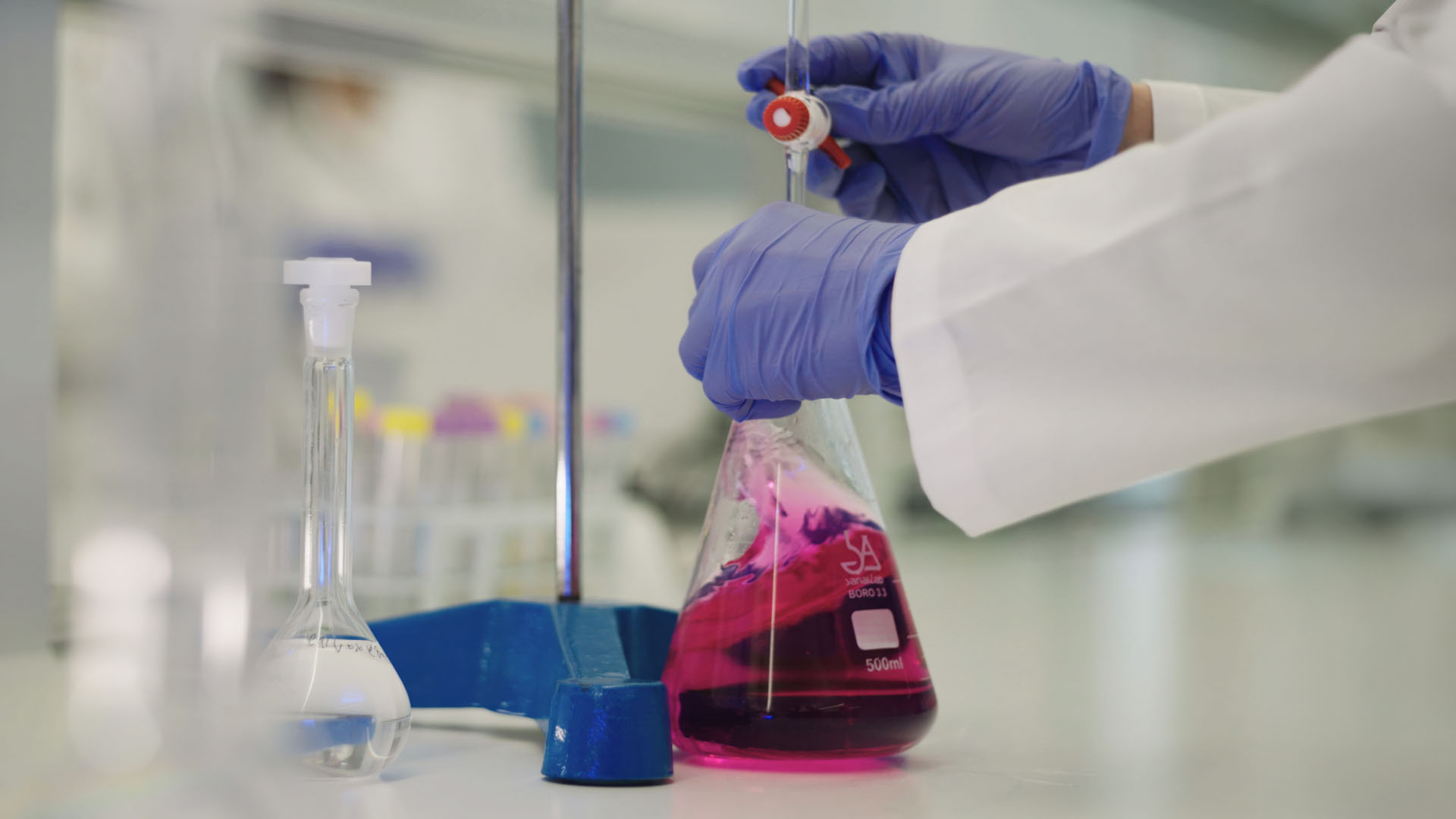
- Εργαστηριακές Τεχνικές και Πρωτόκολλα: Υποδομές για την παρασκευή διαλυμάτων και ρυθμιστικών διαλυμάτων (buffers), την εκτέλεση ποσοτικών αναλύσεων και τη μελέτη μακρομορίων.
- Σύνδεση με την Κλινική Πράξη: Εξειδικευμένος χώρος για τη μελέτη της εφαρμογής των χημικών αρχών στην τοξικολογία, τη φυσιολογία και τις θεραπευτικές παρεμβάσεις.
Συνεργασίες και Καινοτομία
Το εργαστήριο L115 δεν αποτελεί μόνο χώρο διδασκαλίας, αλλά και κέντρο εφαρμοσμένης μάθησης και επιστημονικής διερεύνησης. Υποστηρίζει διεπιστημονικές ακαδημαϊκές συνεργασίες, πιλοτικά ερευνητικά έργα στις βιοϊατρικές επιστήμες και καινοτόμες ερευνητικές δραστηριότητες που απαιτούν εξειδίκευση σε χημικές και βιοχημικές αναλύσεις.
Παράλληλα, προσφέρει ένα ευέλικτο, άρτια εξοπλισμένο περιβάλλον για την ανάπτυξη συνεργασιών που προάγουν τη μεταφορά της επιστημονικής γνώσης στην κλινική πράξη και ενισχύουν την εκπαίδευση στις επιστήμες της υγείας και της φαρμακευτικής.
Gallery