21 September 2026
Is AI Art Really Art? What I Learnt From Midjourney
What two years with Midjourney taught me about creativity, curation, copyright and the changing rules around AI-generated images.

About 2 years ago I started dabbling with Midjourney to learn about this new creative AI medium and quickly became a bit of a junkie. For about a year in my free time I produced AI images and shared them on various Midjourney Facebook groups.
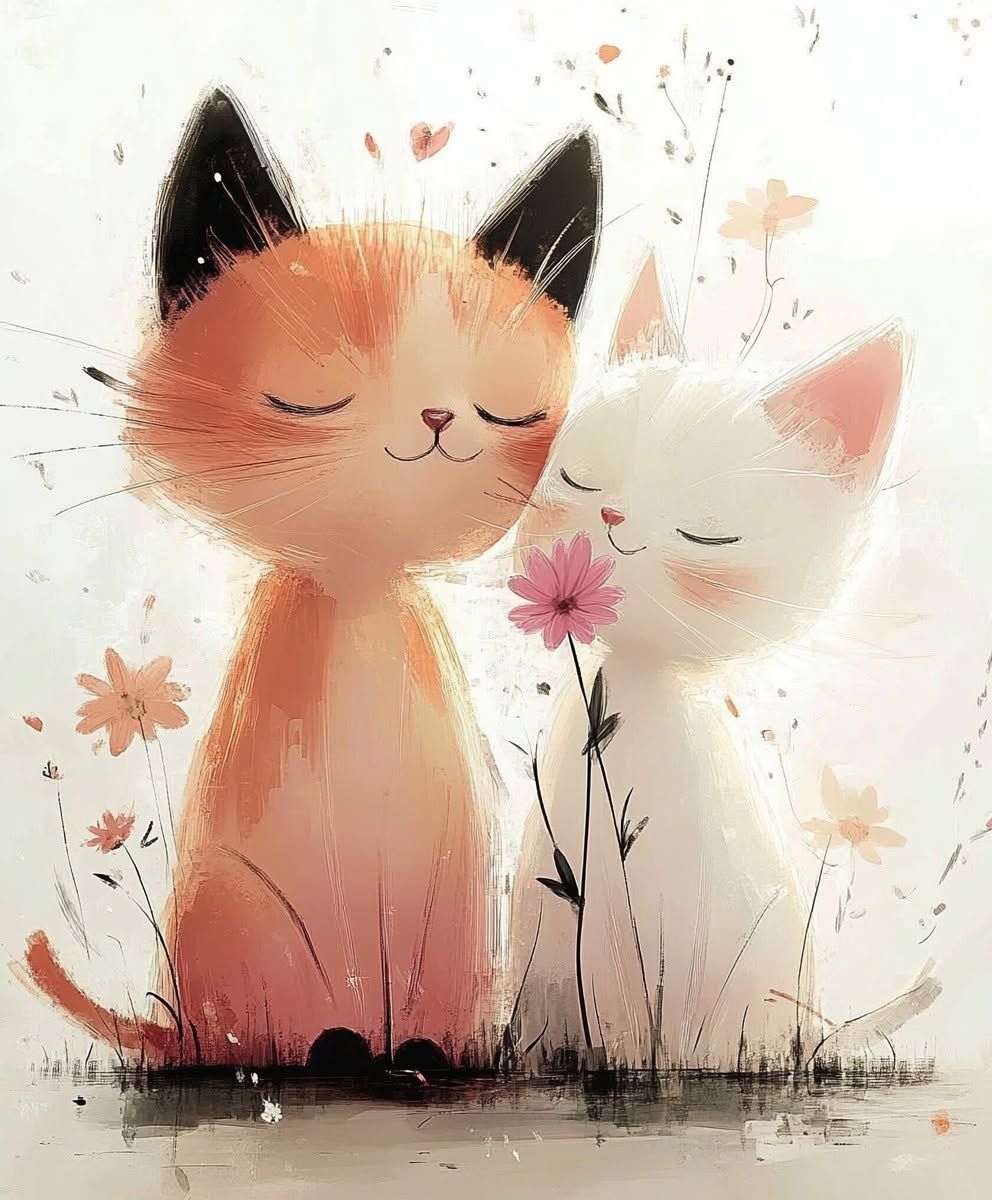
In 2025 I decided to stop, arguing to myself that I had learnt enough about the technology — and that the internet had given me enough validation. My most popular image (attached) got over 16,000 likes and nearly 2,000 shares, while many others got between 1,000 and 10,000 likes.
For someone who can barely get over 10 likes on his normal FB page, this was an interesting little ego boost. 😄
Did I learn anything about AI Art? 🎨
Well, yes.
Some people don’t like the term ‘Art’ for AI-created output, including my dear mother, who dabbles with the real thing: painting. I’ve even heard: ‘It’s just eye candy, not real art.’
But these things really don’t just pop out. A good image may involve scrutinising 300–500 or more outputs, tweaking Midjourney parameters and image-weighted prompts, then editing out AI blemishes.
The human still has to conceive, curate and correct — the three Cs.
Even the titles can involve considering hundreds of LLM suggestions.
My comic cats on the beach, for instance, took ages to put together: 😺
Then there’s ownership. I have the original Midjourney records, but could someone somewhere be selling my work or claiming it as theirs? Possibly. I started using © 2024. All Rights Reserved as a deterrent, although AI copyright remains a complicated area.
Should teachers or children use AI image platforms in schools?
And what about the EU AI Act?
From 2 August 2026, Article 50 introduced transparency rules for AI-generated content. But the simple headline — ‘AI images must now be labelled’ — is misleading.
Providers generally need AI-generated content to be detectable in a machine-readable format, while separate disclosure rules apply to things such as deepfakes. Purely personal, non-professional use is excluded from deployer obligations, and some existing generative AI systems have until 2 December 2026 to meet the machine-readable marking requirement.
So, as usual with AI, the small print is rather more interesting than the headline.
For now, at least, my AI cats don’t need EU passports. 😺