

4 November 2025
Digital Twins: The Next Step in Our Digital Evolution
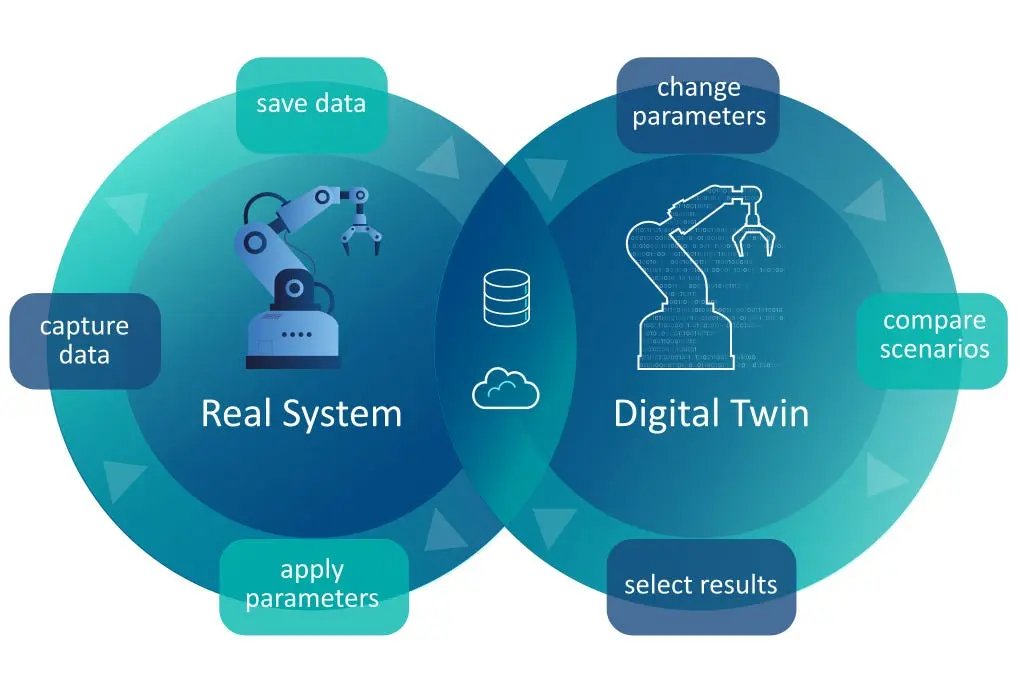
A digital twin is a virtual representation of something that exists in the real world — and increasingly, that “something” can be a person.

A personal digital twin is a dynamic digital model that reflects an individual’s physical, psychological, and behavioural data in real time.While the concept began in engineering, it is now expanding into healthcare, finance, education, and governance. A personal digital twin could learn from your data, simulate outcomes, and support better decisions — for you, or on your behalf.
How Personal Digital Twins Could Be Used
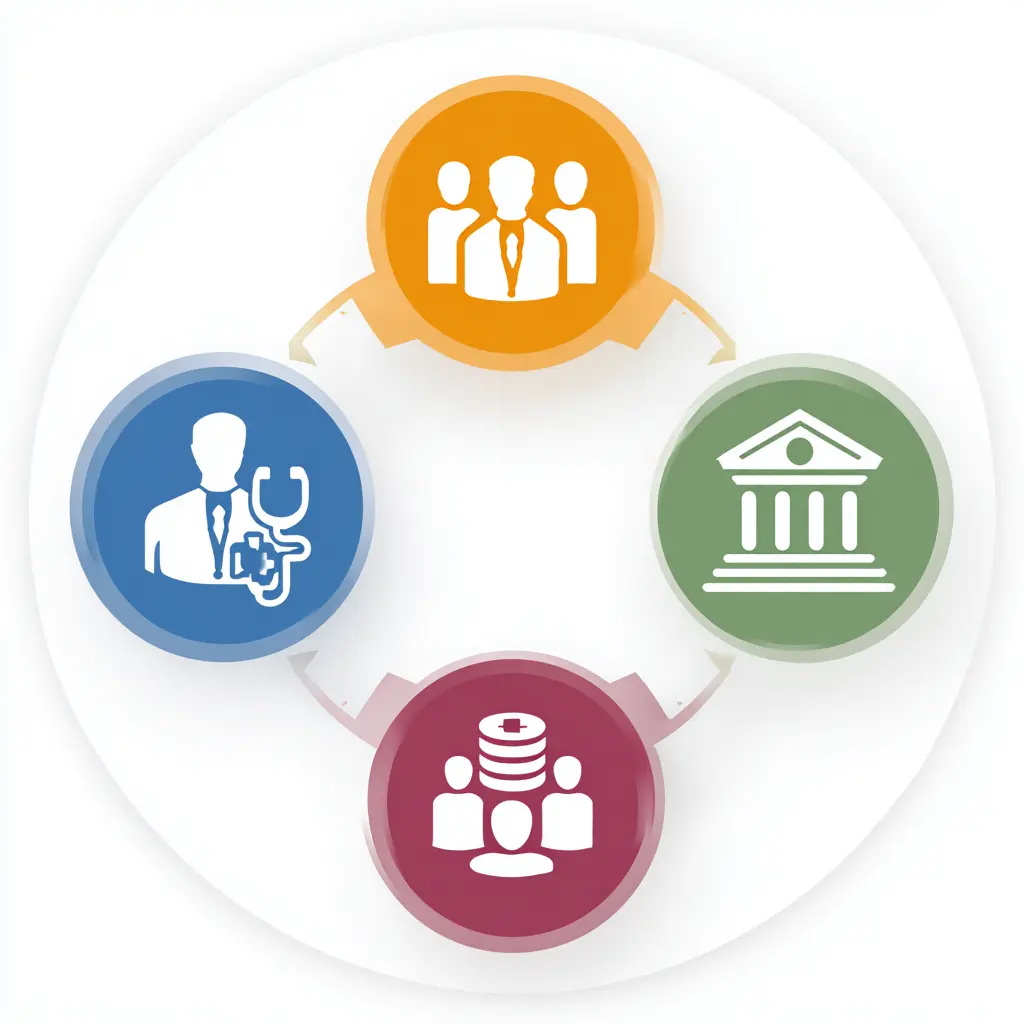
- Doctors and medical researchers could use digital twins of patients to simulate treatments, predict disease progression, or personalise medication.
- Insurance companies might use real-time health or behavioural data to tailor coverage and pricing.
- Banks and financial advisers could model financial behaviour and simulate outcomes before clients make major decisions.
- Governments might develop digital twins of citizens to improve public service delivery, forecast demographic changes, or manage social programmes more effectively.
- Employers and universities could use digital twins to personalise learning, optimise performance, and design more responsive environments.
The Link to Digital Identity
A personal digital twin would require a secure and verifiable way to connect data to the real person — and that is where digital identity becomes essential. A digital ID could serve as the trusted anchor for an individual’s twin, allowing verified, privacy-preserving data exchange across systems.
For example, a single digital ID might link a person’s health twin, education twin, and financial twin, while ensuring the individual maintains full control over what is shared, with whom, and under what conditions.
The University of Nicosia’s Role
At the University of Nicosia, the AI Learning Centre is currently exploring digital twin solutions and projects that integrate artificial intelligence, data analytics, and secure digital identity frameworks. This research aims to understand how digital twins can be used ethically and effectively in education, research, and wider society.
And, conspiracy theories aside, this is very valuable work. Digital twins are not about replacing people or controlling data — they are about creating trusted systems that help individuals and institutions make better decisions, predict outcomes, and manage complex systems more intelligently.
As we continue to explore these frontiers, questions of privacy, consent, and digital self-determination will become increasingly central to academic and public debate. Digital twins are not just another technological trend — they represent a significant step towards more intelligent, interconnected systems that mirror and extend human potential.