
About COPD
Chronic obstructive pulmonary disease (COPD) is an umbrella term for chronic bronchitis and emphysema, lung diseases that cause airflow obstruction, leading to shortness of breath and a chronic cough.
COPD is usually caused by smoking, and patients with COPD are therefore at an increased risk of cardiovascular disease. Patients often experience exacerbations, sometimes requiring antibiotics and oral steroids. Therefore, it is important for patients with frequent exacerbations to keep a rescue pack of antibiotics and steroids at home (please discuss this with your doctor). Signs that you are having a COPD exacerbation include feeling more breathless, an increased amount of sputum or a change in its colour, and fatigue. A visual guide to this, in the form of a COPD action plan, is attached below and should be kept for reference at all times.
Novel Practice COPD Severe
We recently introduced a practice COPD service in order achieve the best possible care for our patients. It is crucial that patients with COPD have a yearly check up for their asthma, even if it is well controlled.
Given there is no current recall system through the GHS (General Healthcare System) we wanted to innovate by creating a system whereby we offer annual reviews. After the annual review by the nurse, you will see the doctor on the same day. Please make sure you have your inhaler and preferably a printed COPD action plan with you (see below).
Annual Review Appointments
Your personal doctor will usually invite you for an annual COPD review. However, as it is not possible to arrange your first appointment through the GHS, you will need to book it yourself. Following this, you will be invited for a follow-up appointment. If you have not been invited for a recall appointment, you can book an appointment yourself.
If you have severe COPD, you need to go for an asthma review more often.
How to prevent COPD flare-ups
- Create and follow a COPD action plan (see below)
- Take your medicines as prescribed
- Stay up to date with vaccines for the flu, COVID-19, and pneumonia
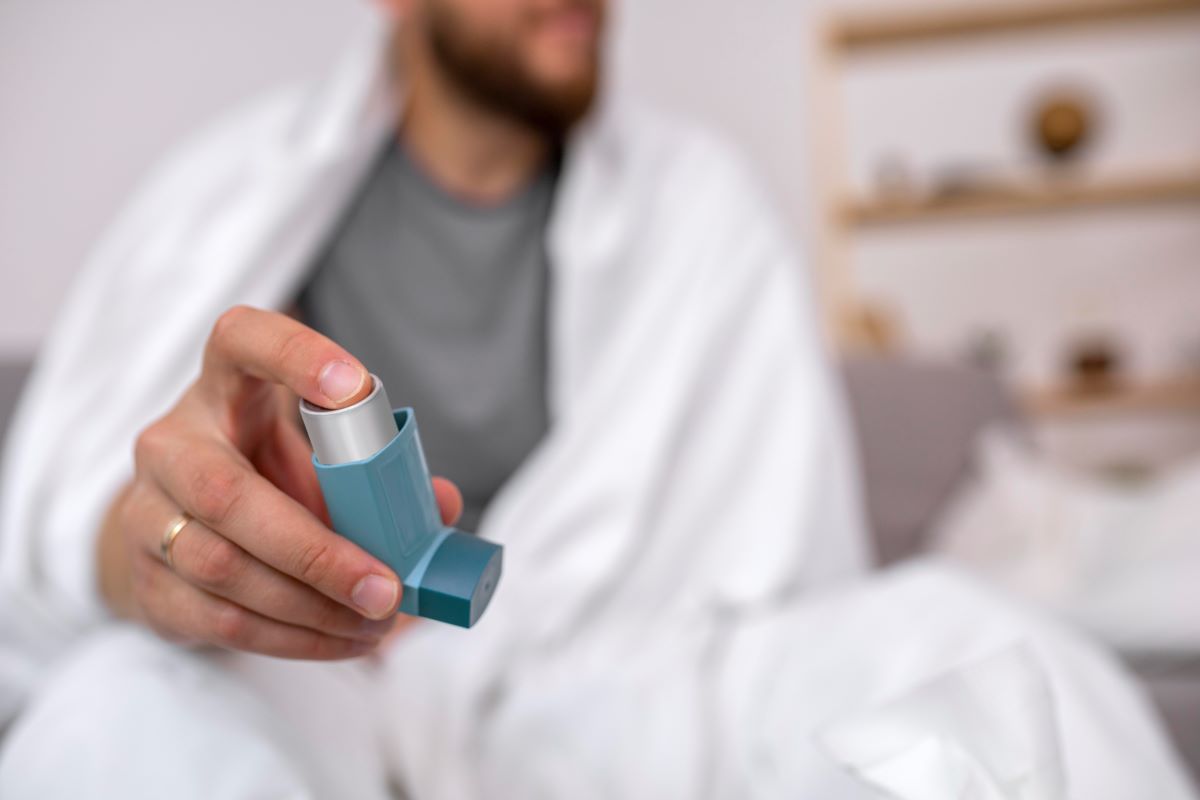
- Check with your Personal Doctor that you are using your inhaler correctly
- Take inhalers everywhere with you
- Keep a diary of symptoms
- Consider getting lifestyle/smoking cessation advice
Create an action plan to manage your COPD
Those at risk of having an exacerbation of COPD are encouraged to create a self-management action plan with the help of their doctor, which will help them manage their COPD and recognise when their symptoms are worsening.
The plan includes information on:
- your medicines and how to take them
- how to control your symptoms
- what to do if you have an attack
- how to know if your symptoms are getting worse and what to do
- emergency contact information